Most Efficient Solar Panels Commercially Available (2026)
Solar panel efficiency determines how much power you get per square foot. The most efficient commercially available panels in 2026 use IBC, HJT, or TOPCon cell technology. This guide ranks the most efficient panels you can actually buy and explains what the efficiency numbers mean in practice.
Quick Answer
The most efficient solar panels commercially available in 2026 reach 22-24% efficiency. SunPower Maxeon (IBC cells) leads at 22.8%+ in the consumer market. HJT and TOPCon panels from manufacturers like REC, Panasonic, and Canadian Solar reach 22-23%. Lab-record efficiencies exceed 47% (multi-junction cells) but are not commercially available.
Recommended Products
Based on listed specifications. Prices and availability change — check Amazon for current details.
Disclosure: As an Amazon Associate, we earn from qualifying purchases. This helps support our site at no extra cost to you.
Prices and availability change often. Use the Amazon button to check the current price and product details for each panel.
| # | Product | Best For | Cell Type | Watts | Efficiency | Price |
|---|---|---|---|---|---|---|
| 1 | Best Overall High-Efficiency | MonocrystallineRigid | 400W | 22.8% | Check Current Price | |
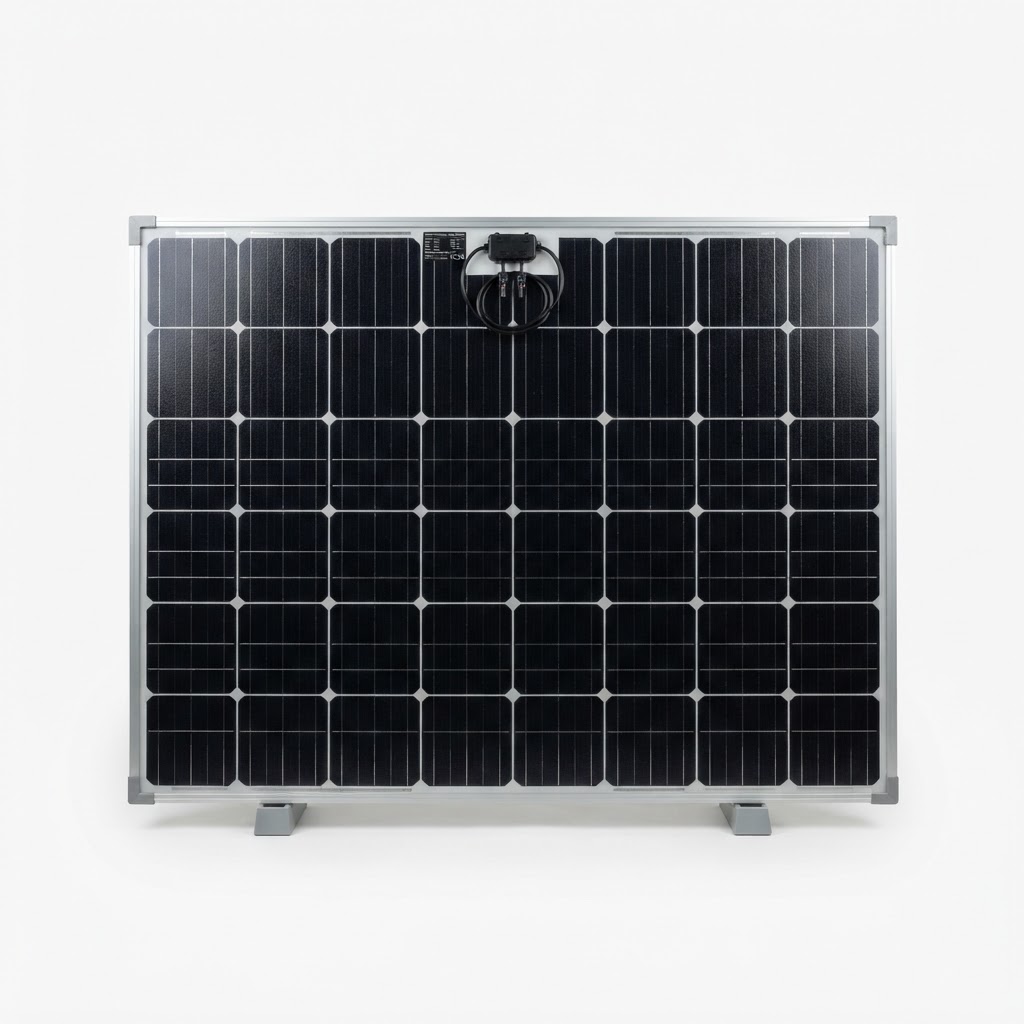
| 2 | 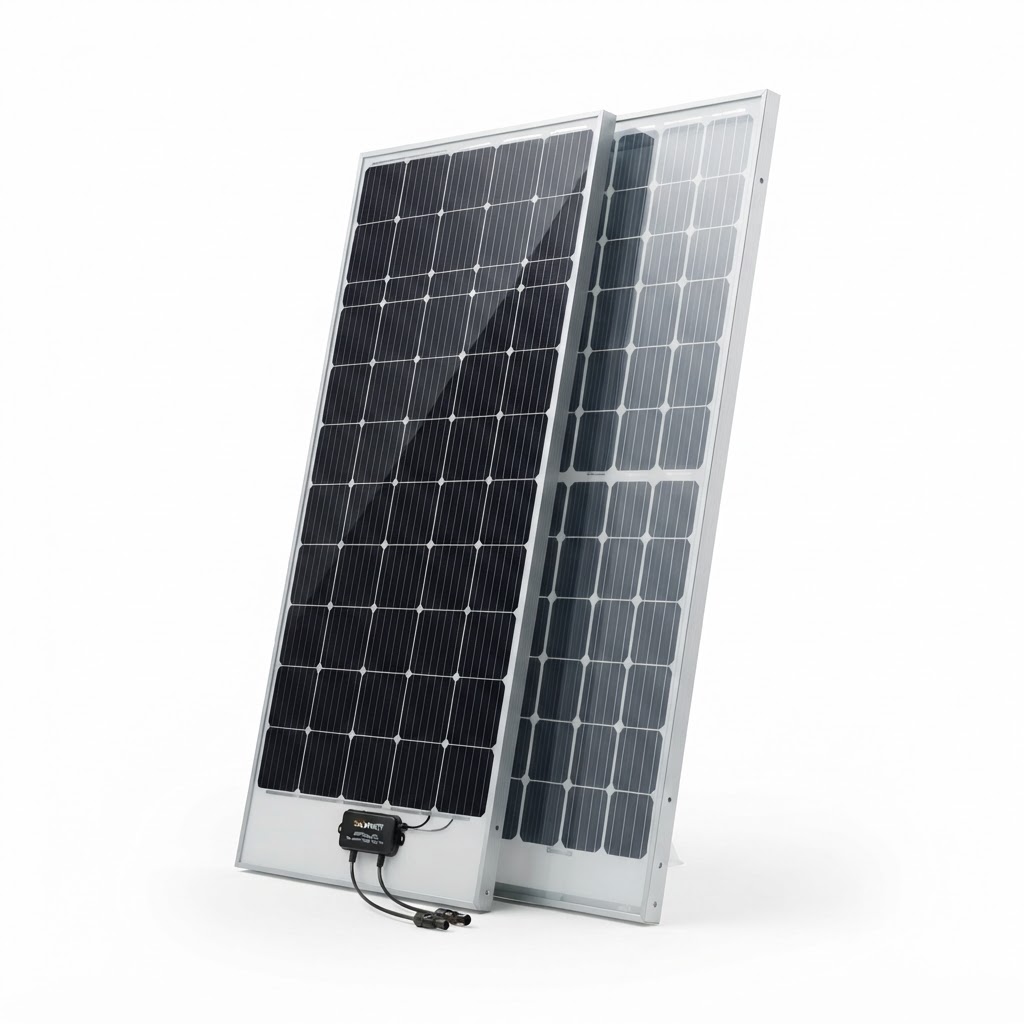 Canadian Solar 455W BiHiKu7 Bifacial Panel Canadian Solar | Best Bifacial Solar Panel | TOPConRigid | 455W | 22.5% | Check Current Price |
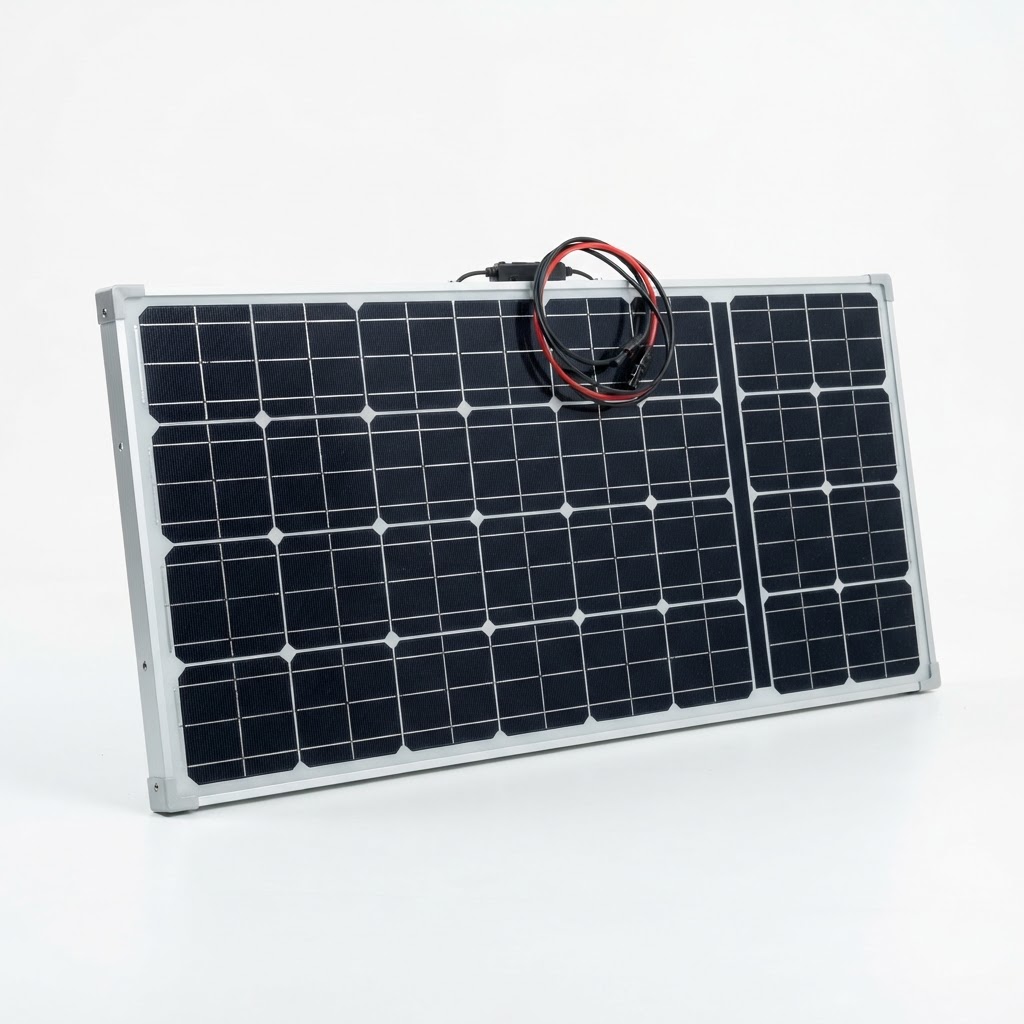
| 3 | Best Budget High-Efficiency | MonocrystallineRigid | 100W | 21.2% | Check Current Price | |
| 4 |  SunPower Maxeon 6 425W Panel SunPower | Best Premium Solar Panel | IBCRigid | 425W | 22.8% | Check Current Price |
Watts
400W
Cell
Monocrystalline
Eff.
22.8%
Watts
455W
Cell
TOPCon
Eff.
22.5%
Watts
100W
Cell
Monocrystalline
Eff.
21.2%
Watts
425W
Cell
IBC
Eff.
22.8%
The most efficient commercial cell technologies
In 2026, the most efficient commercially available solar cell technologies are: IBC (interdigitated back contact) at 22.8-24% efficiency — used by SunPower Maxeon; HJT (heterojunction) at 22-23.5% — used by REC, Panasonic, Meyer Burger; TOPCon (tunnel oxide passivated contact) at 22-23% — used by Trina, Jinko, Canadian Solar; and advanced PERC at 21-22.5% — the most common consumer panel type. Lab-record multi-junction cells exceed 47% but cost hundreds of times more and are used only in aerospace and concentrated solar.
Why efficiency matters (and when it doesn't)
Efficiency matters most when space is limited — RV roofs, van roofs, portable panels, and small residential roofs. A 23% panel produces 15% more power per square foot than a 20% panel, which on a limited roof can be the difference between meeting your power needs or not. Efficiency matters less for ground-mounted arrays with unlimited space — buy the cheapest watt, not the most efficient panel. For portable and off-grid use where every square inch counts, prioritize high-efficiency panels.
Commercial availability vs lab records
Lab-record solar cell efficiencies exceed 47% (multi-junction concentrator cells from NREL and Fraunhofer), but these are not commercially available — they're research prototypes used in satellites and concentrated solar power plants. The most efficient panels you can actually buy in 2026 max out at 22-24% efficiency. Be skeptical of any consumer panel claiming more than 24% efficiency — it's likely a misleading claim or a lab result misrepresented as a commercial product.
Efficiency vs real-world output
A panel's rated efficiency is measured under Standard Test Conditions (STC): 1000W/m² irradiance, 25°C cell temperature, AM1.5 spectrum. Real-world conditions are almost always worse — panels run hotter than 25°C (losing 0.3-0.45% per °C), sunlight is rarely exactly 1000W/m², and dust and shading reduce output. A 22.8% panel in real-world conditions might effectively deliver 18-20%. HJT panels have the best temperature coefficient (~0.25%/°C vs 0.35-0.45%/°C for standard mono), so they maintain more of their efficiency advantage in hot conditions.
Frequently Asked Questions
What is the most efficient solar panel commercially available?
The most efficient commercially available solar panels in 2026 reach 22-24% efficiency. SunPower Maxeon panels (IBC cells) lead the consumer market at 22.8%+. HJT panels from REC and Meyer Burger reach 22-23.5%. TOPCon panels from major manufacturers reach 22-23%.
Are there 30% efficient solar panels available?
Not commercially. Lab-record efficiencies exceed 47% (multi-junction concentrator cells), but these are research prototypes used in satellites, not consumer products. Any consumer panel claiming more than 24% efficiency should be viewed skeptically — it's likely a misleading or lab result.
Does higher efficiency mean more power?
Not necessarily — a 400W panel at 20% efficiency produces the same total power as a 400W panel at 23% efficiency. The higher-efficiency panel just does it in a smaller physical area. Efficiency matters when space is limited; for ground mounts with unlimited space, wattage and price per watt matter more than efficiency.
Disclosure: As an Amazon Associate, we earn from qualifying purchases. This helps support our site at no extra cost to you.
Related Guides
Solar Panel Efficiency Explained — What the Numbers Really Mean
What is solar panel efficiency? How is it measured? What's the difference between PERC, HJT, TOPCon, and IBC panels? Explained in plain language.
Solar Panel Watts vs Efficiency — Which Matters More?
Solar panel watts vs efficiency: which matters more for your setup? When to prioritize high wattage vs high efficiency in solar panel selection.
Highest Efficiency Commercial Solar Panel (2026) — Top Picks
The highest efficiency commercial solar panels in 2026. IBC, HJT, and TOPCon panels ranked by efficiency for residential, off-grid, and commercial use.