Best Portable Solar Panels for Camping: What Size and Style Should You Buy?
The best portable solar panel for camping is not necessarily the panel with the highest wattage. A weekend tent camper, a car-camping family and someone running a large solar generator have very different needs. Portability, folded size, weight, connector compatibility, weather resistance and expected energy use all matter. This guide explains how to choose between common portable sizes and highlights direct-linked product options already in our catalog. Product recommendations are based on listed specifications, not first-hand laboratory testing. Manufacturer specifications may change. As an Amazon Associate, we earn from qualifying purchases.
Quick Answer
For light camping and smaller power stations, a 100W foldable panel is often easier to carry and set up. For car camping and larger battery stations, a 200W portable panel can reduce charging time when the power station can accept the extra input. Match voltage and connectors before buying.
Recommended Products
Based on listed specifications. Prices and availability change — check Amazon for current details.
Disclosure: As an Amazon Associate, we earn from qualifying purchases. This helps support our site at no extra cost to you.
Prices and availability change often. Use the Amazon button to check the current price and product details for each panel.
| # | Product | Best For | Cell Type | Watts | Efficiency | Price |
|---|---|---|---|---|---|---|
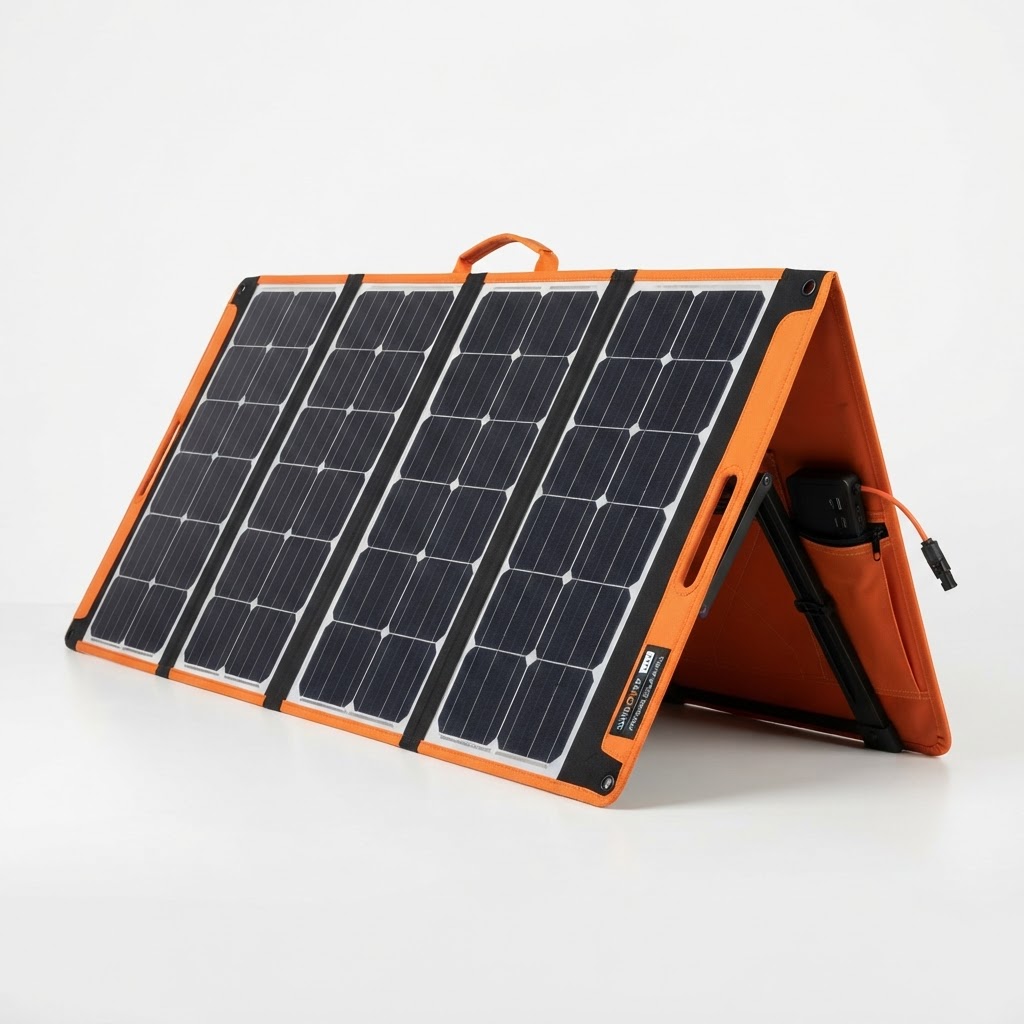
| 1 | Best Portable Solar Panel | MonocrystallinePortable | 100W | 23.7% | Check Current Price | |
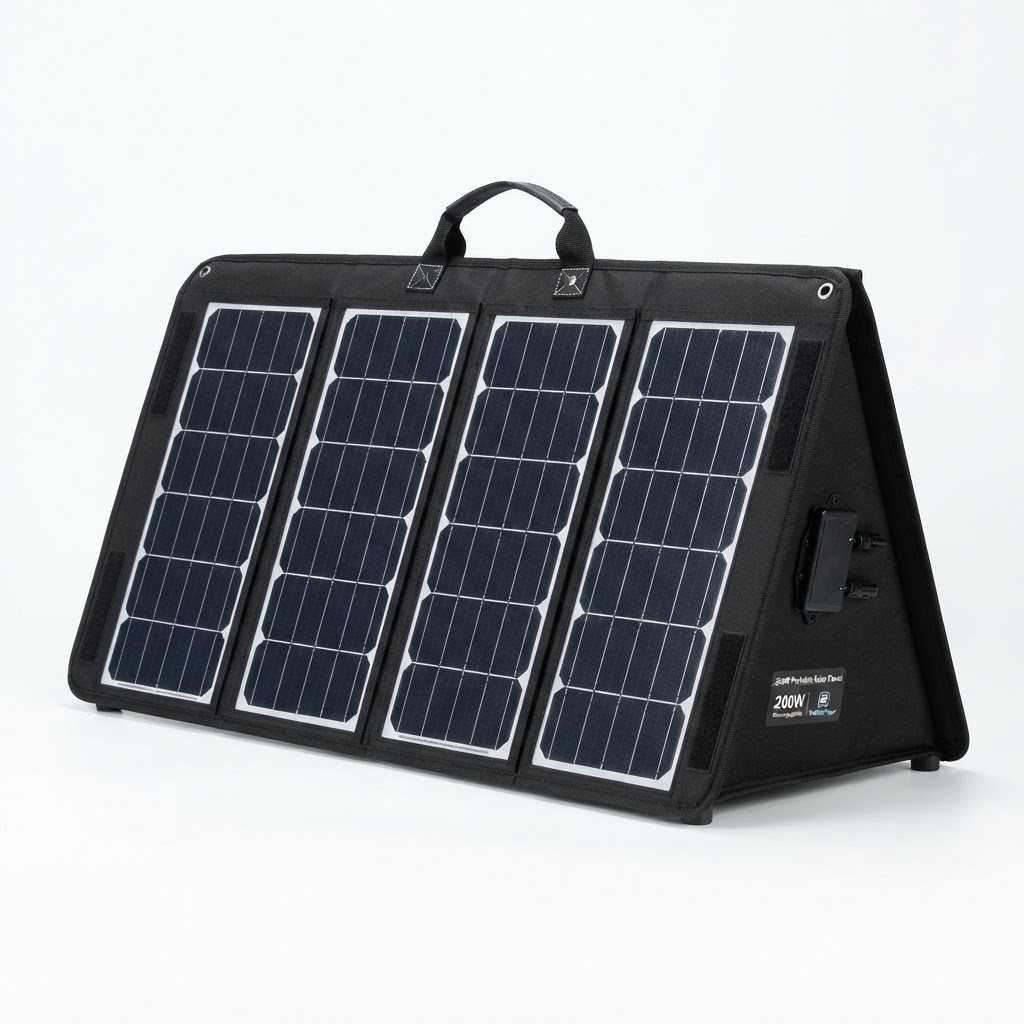
| 2 | Best Solar Panel for Camping | MonocrystallineFoldable | 200W | 23.4% | Check Current Price | |
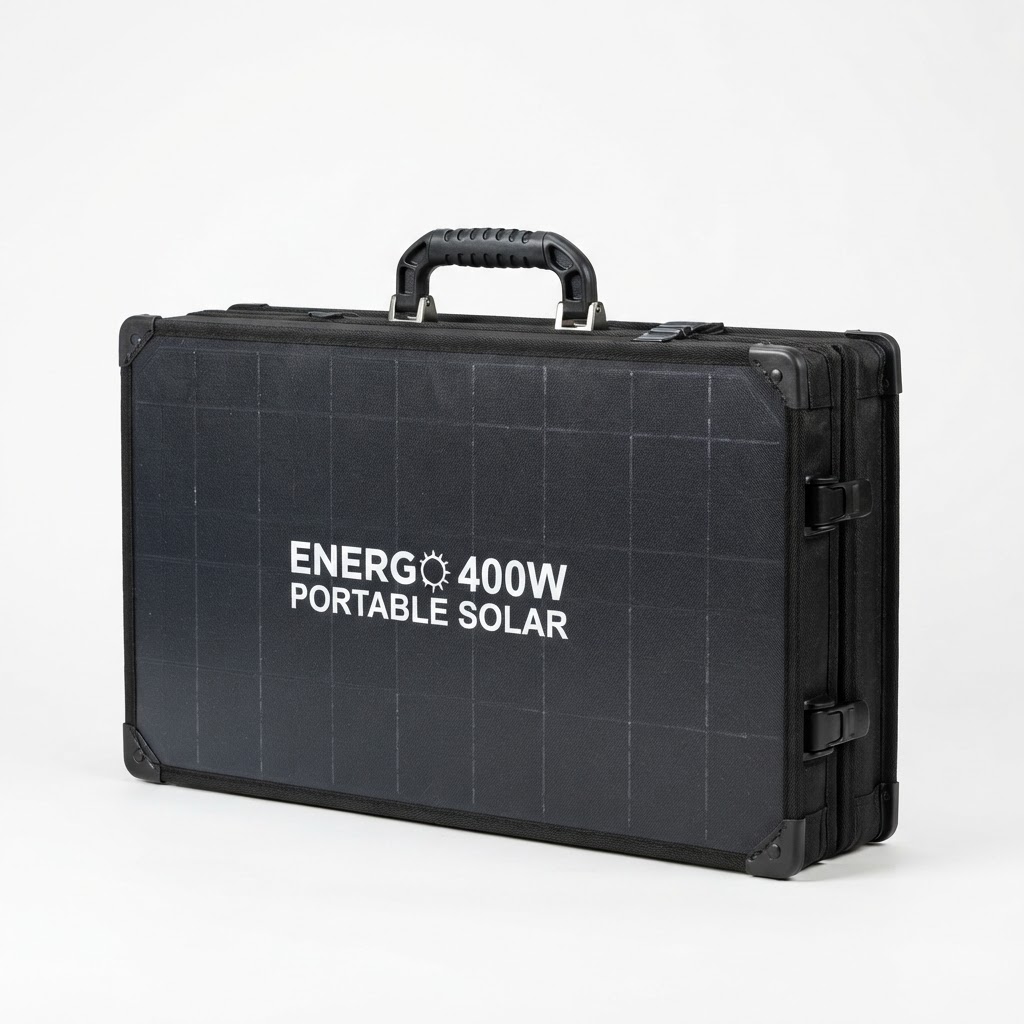
| 3 | Best for Solar Generator | MonocrystallinePortable | 400W | 22.6% | Check Current Price |
Watts
100W
Cell
Monocrystalline
Eff.
23.7%
Watts
200W
Cell
Monocrystalline
Eff.
23.4%
Watts
400W
Cell
Monocrystalline
Eff.
22.6%
100W vs 200W Portable Solar Panels for Camping
A 100-watt portable panel is appealing because it is easier to transport, store and reposition as the sun moves. It can be a practical companion for phones, lights, cameras and smaller portable power stations. A 200-watt panel doubles the nameplate capacity, but it is normally larger and heavier. For car camping, base camps and higher daily energy use, that tradeoff can be worthwhile. The important step is checking how much solar input your power station can actually accept. If a station has a relatively low solar-input ceiling, buying an oversized panel may add bulk without providing a proportional charging benefit. Also consider your camping style. Someone hiking equipment from a parking area may value weight more than peak wattage, while someone unloading beside a campsite can tolerate a larger panel. Think in terms of daily watt-hours needed, available sunlight and transport constraints rather than choosing a wattage number in isolation.
What Makes a Portable Panel Easy to Live With?
Portability is more than a carrying handle. Look at folded dimensions, total weight, setup mechanism and how easily the panel can be aimed at the sun. A kickstand can make angle adjustments easier, while a floppy or awkward support system can make repeated repositioning frustrating. Connector choice is equally important. Some portable panels use common solar connectors while others are designed around a particular power-station ecosystem or require an adapter. Weather resistance matters because camping gear is exposed to dust, dew and unexpected rain, but an IP rating does not mean you should ignore the manufacturer's use instructions. Cable length can also affect campsite placement. A panel that can sit in sunlight while the battery station remains shaded is generally easier to use. Review all of these details alongside wattage rather than treating portability as a single specification.
A Lightweight 100W Option
The Jackery SolarSaga 100W Portable Panel in our catalog is listed at 100 watts, 10.33 pounds and 23.7% claimed cell efficiency. It has a folding design and built-in kickstand, and its listed compatibility emphasizes Jackery Explorer power stations. Those characteristics make it a logical comparison option for campers who prioritize a manageable package over maximum output. The main question is ecosystem compatibility. If you already own a Jackery station, the connection path may be straightforward. If you use another brand, verify voltage and connector requirements before ordering rather than assuming a portable panel is universally interchangeable. A 100W panel can also be easier to reposition during the day, which can matter when trees create moving patches of shade around a campsite. Check current product details on Amazon because connectors, included accessories and model revisions can change.
When a 200W Camping Panel Makes More Sense
The BougeRV 200W Portable Camping Panel in our product database is listed at 200 watts, 16.1 pounds and 23.4% claimed efficiency, with MC4 and Anderson connection information in the current listing data. That higher rated output can be attractive for car camping, extended stays and larger portable batteries. The tradeoff is a larger package to transport and deploy. A 200W panel also makes the most sense when the receiving battery station or charge controller can use the available input. If your power station caps solar input below the panel's potential, the extra size may not provide the benefit you expect. Compare the panel's open-circuit voltage and current specifications with the receiving equipment's accepted solar range before connecting them. When specifications are close to system limits, use the manufacturer's documentation rather than relying on generic compatibility assumptions.
How Much Solar Do You Need at Camp?
Make a simple energy budget before buying. List the devices you expect to run, their approximate wattage and how many hours each will operate. A phone and a few lights require far less energy than a refrigerator, CPAP machine, laptop or powered cooler. Add those loads in watt-hours, then compare the result with the battery capacity and the amount of solar you can realistically harvest. Solar conditions vary dramatically between an open desert campsite and a wooded mountain site. Partial shade can reduce output, and short autumn or winter days provide less charging time. The site's solar calculator can help translate your estimated energy use into a starting array size. For camping, it is usually better to plan with a margin rather than assuming perfect nameplate output all day.
Portable Solar Panel Buying Checklist
Before buying, confirm rated wattage, panel voltage, current, connector type, weight, folded dimensions, weather rating and compatibility with your battery station. Decide whether you need an adapter and whether it is included. Consider how far you must carry the panel and where you will store it during travel. For campground use, think about security and whether the panel can be positioned in sun without blocking roads or neighboring sites. If you camp primarily under trees, a panel that is easy to move may be more useful than a much larger panel that is cumbersome to reposition. Finally, check current product details on Amazon before purchasing. As an Amazon Associate, we earn from qualifying purchases, and product buttons on this site should lead to direct product pages rather than generic search results.
Frequently Asked Questions
Is 100W enough solar for camping?
It can be enough for lighter electrical needs and smaller power stations, but the right size depends on daily watt-hour use, sunlight and battery capacity.
Is a 200W portable solar panel worth the extra size?
For car camping, longer trips or larger power stations, it can be. Confirm that your power station can accept the additional solar input before choosing the larger panel.
Can any portable solar panel connect to any solar generator?
No. Voltage, current, polarity and connector requirements vary. Verify the specifications for both the panel and the power station.
Should I leave a portable solar panel outside in rain?
Follow the manufacturer's instructions and IP rating. Weather resistance varies by model and does not necessarily mean every component or connection should remain exposed.
What matters more for camping, efficiency or wattage?
Both matter, but portability, compatibility and available campsite space often matter just as much. Efficiency is especially useful when you need more power from a smaller surface area.
Disclosure: As an Amazon Associate, we earn from qualifying purchases. This helps support our site at no extra cost to you.
Related Guides
Best Foldable Solar Panels (2026) — Portable Power on the Go
The best foldable solar panels for camping, hiking, and travel. Compared by efficiency, weight, compatibility, and portability. Top picks reviewed.
Solar Panel Efficiency Explained — What the Numbers Really Mean
What is solar panel efficiency? How is it measured? What's the difference between PERC, HJT, TOPCon, and IBC panels? Explained in plain language.