Best Solar Panel for EcoFlow: How to Match Watts, Voltage, and Connectors
The best solar panel for an EcoFlow power station is not determined by brand name alone. The panel or array has to fit the power station’s solar input limits, connector setup, and the way you plan to use it. A lightweight 100W panel may be ideal for occasional camping, while a larger portable panel can make more sense when faster daytime recharging matters. This guide shows you how to compare panels without guessing at compatibility. As an Amazon Associate, we earn from qualifying purchases.
Quick Answer
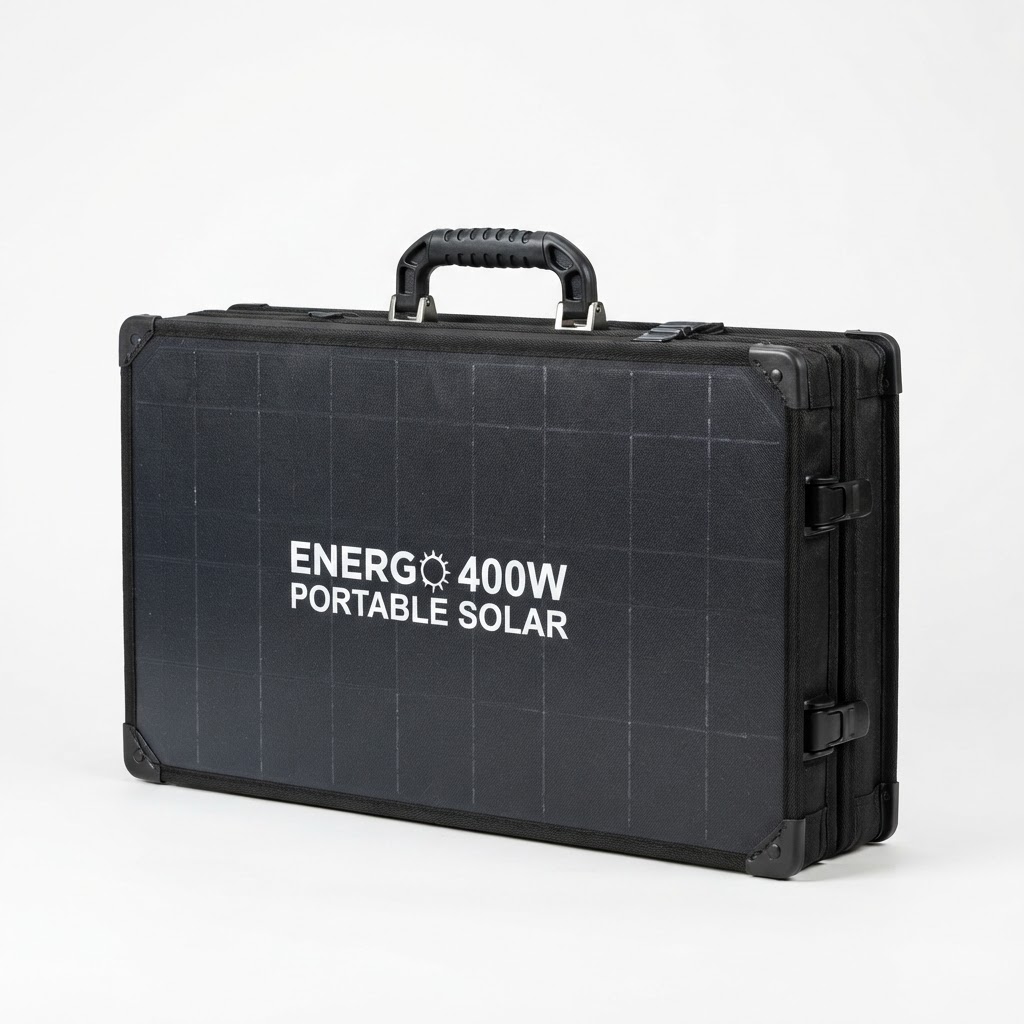
Choose an EcoFlow solar panel by checking your exact power station model’s permitted solar input voltage, current, and wattage, then select a panel or array that stays within those limits and uses the correct cable or adapter. For buyers who want a high-output portable option, the site catalog includes a direct-linked EcoFlow 400W Portable Solar Panel, but you should confirm compatibility with your exact EcoFlow model before ordering.
Recommended Products
Based on listed specifications. Prices and availability change — check Amazon for current details.
Disclosure: As an Amazon Associate, we earn from qualifying purchases. This helps support our site at no extra cost to you.
WATTS
400W
EFF.
22.6%
TYPE
Portable
CELL
Monocrystalline
EcoFlow 400W Portable Solar Panel
by EcoFlow
High-wattage portable design optimized for rapid solar generator recharging
Who this is for
- Massive 400W portable output
- Fast charging for EcoFlow generators
- Self-supporting kickstand design
Avoid if
You need a lightweight, backpack-friendly panel or are on a tight budget
Start with the EcoFlow model, not the solar panel
EcoFlow power stations do not all have the same solar input limits. A panel combination that is appropriate for one DELTA model may be unnecessary or electrically unsuitable for a smaller RIVER model. Find the solar-input specifications for your exact power station and note maximum input voltage, current, and wattage. Voltage deserves particular attention because exceeding an input-voltage limit can create a compatibility or safety problem. Wattage is also important, but connecting more nameplate watts than the station can accept does not automatically mean faster charging. The station’s solar input electronics set the ceiling. Manufacturer specifications and model revisions can change, so use the current manual or official specifications for your exact unit rather than relying on a generic compatibility chart.
Portable, foldable, or rigid: which style fits your use?
Portable and foldable panels are convenient for camping because you can deploy them in the sun while keeping the power station shaded. They are also easy to reposition as the sun moves. Their disadvantages are setup time, storage bulk, and the need to secure them in wind. Rigid panels make more sense for a fixed cabin, trailer, or permanent vehicle installation where the array can remain mounted. Flexible panels can help on curved or weight-sensitive surfaces but introduce their own durability and heat-management tradeoffs. Choose the form factor based on how often the system moves. A portable power station does not require a portable panel if the station spends most of its life in one fixed location.
A direct-linked EcoFlow option to compare
The catalog includes the EcoFlow 400W Portable Solar Panel as a high-output portable option. It is listed as a foldable monocrystalline panel intended for solar-generator use. That makes it a logical product to compare for larger EcoFlow systems or situations where portable charging speed matters. Do not assume that the 400W nameplate rating means every EcoFlow power station can accept the full output. Check the input limits of your exact station first. Use the product card to open the direct Amazon listing and verify current model details, included cables or adapters, dimensions, weight, and compatibility. Prices and availability change, so confirm current information before purchase.
Why connectors and adapters matter
Electrical compatibility and physical connector compatibility are separate questions. A panel can have suitable voltage and current yet still require the correct cable or adapter to connect to the power station. EcoFlow products may use model-specific input cables or connector arrangements, while third-party panels often use common solar connectors such as MC4. Before ordering, identify the output connector on the panel, the solar input on the power station, and whether the required adapter is included. Avoid improvised polarity changes or unverified adapters. A connector that physically fits does not prove that polarity or electrical limits are correct. Follow the manufacturer’s wiring guidance and use components rated for the expected voltage and current.
How much solar wattage do you actually need?
More panel wattage can shorten recharge time only until you reach the power station’s solar input limit and only when sunlight supports that output. Start with how much energy you use each day and how quickly you need to replace it. A small camping setup running phones, lights, and modest electronics may not need a large array. A refrigerator, cooking appliance, or repeated inverter use can push energy needs much higher. Solar nameplate wattage is not the same as daily watt-hours harvested. Cloud cover, temperature, panel angle, shade, season, and charging losses affect production. Use the site’s solar calculator for a starting estimate, then check that the proposed array remains within the EcoFlow model’s electrical limits.
Can you use third-party solar panels with EcoFlow?
In many cases, a compatible third-party panel can be used if its electrical characteristics and connector arrangement meet the power station’s requirements. The key word is compatible. Compare the panel’s open-circuit voltage, operating voltage, current, and wiring configuration against the station’s permitted solar input. If connecting panels in series or parallel, calculate the resulting array voltage and current rather than looking only at individual-panel specs. Cold conditions can also affect voltage. For a permanent or multi-panel design, use the current manuals and consider professional guidance if you are uncertain. Choosing by brand alone is simpler, but choosing by verified electrical compatibility gives you a wider set of options.
Frequently Asked Questions
What is the best solar panel for EcoFlow?
The best choice depends on your exact EcoFlow model, solar input limits, portability needs, and desired recharge speed. Match voltage and current first, then compare wattage, size, weight, and connector requirements.
Can I use a non-EcoFlow solar panel with an EcoFlow power station?
Often yes, if the panel or array stays within the station’s solar input specifications and uses the correct connector or approved adapter. Verify the current specifications for both products.
Will a 400W solar panel work with every EcoFlow power station?
Do not assume so. Different EcoFlow models have different solar input limits. Check your exact model’s maximum voltage, current, and wattage before connecting a panel.
Is a bigger solar panel always faster for charging EcoFlow?
Only up to the power station’s solar input limit and the output available from current sunlight. Oversizing nameplate wattage does not guarantee proportional charging speed.
Should I choose a portable or rigid panel for EcoFlow?
Portable panels are convenient for travel and repositioning. Rigid panels are usually better for permanent installations. The power station can work with either style when the electrical specifications are compatible.
Disclosure: As an Amazon Associate, we earn from qualifying purchases. This helps support our site at no extra cost to you.
Related Guides
Best Solar Panel for EcoFlow RIVER Pro (2026)
Best solar panel for EcoFlow RIVER Pro. Voltage range, connector type, and compatible panel recommendations for the RIVER Pro power station.
EcoFlow Solar Panel Compatibility Guide (2026) — All Models
Complete EcoFlow solar panel compatibility guide. Voltage ranges, connectors, and compatible panels for every EcoFlow power station model.
Portable Solar Panel Buying Guide (2026)
How to choose the best portable solar panel for camping, hiking, and van life. Compare foldable, lightweight, and high-efficiency portable solar panels.