Best Solar Panels for Van Life: How to Size a System That Fits Your Rig
Van-life solar is less about finding one magical panel and more about matching your available roof space, daily energy use, battery bank and travel style. A compact van that mostly charges phones and a laptop needs a very different array from a rig running refrigeration, fans and other 12-volt loads. This guide walks through the buying decisions that matter so you can narrow the field without paying for watts you cannot use.
Quick Answer
For most van-life builds, start by estimating daily watt-hours, then size the solar array around your battery and charge-controller limits. Rigid monocrystalline panels usually make sense when roof space allows, while flexible or portable panels can solve curved-roof, weight or parking-in-shade problems. Check current product specifications and compatibility before buying.
Recommended Products
Based on listed specifications. Prices and availability change — check Amazon for current details.
Disclosure: As an Amazon Associate, we earn from qualifying purchases. This helps support our site at no extra cost to you.
Prices and availability change often. Use the Amazon button to check the current price and product details for each panel.
| # | Product | Best For | Cell Type | Watts | Efficiency | Price |
|---|---|---|---|---|---|---|
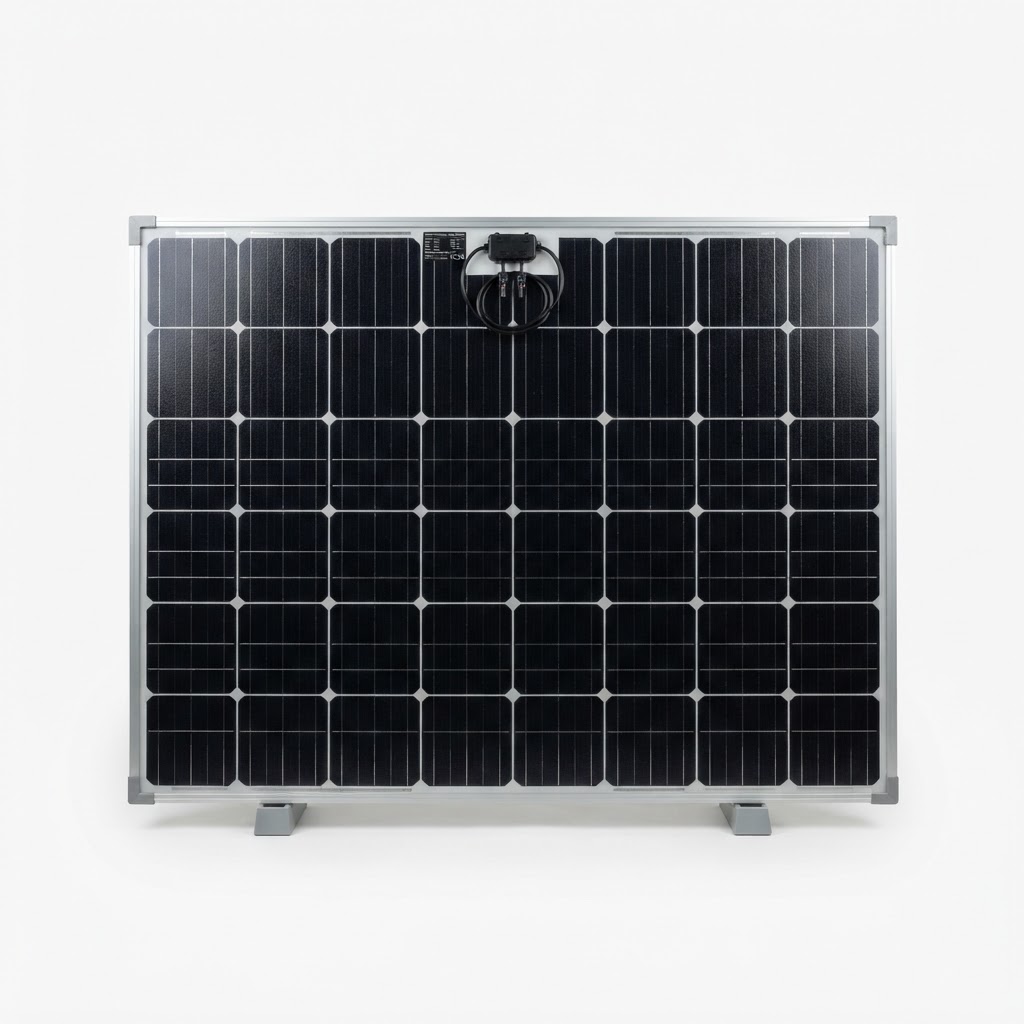
| 1 | Best Overall High-Efficiency | MonocrystallineRigid | 400W | 22.8% | Check Current Price | |
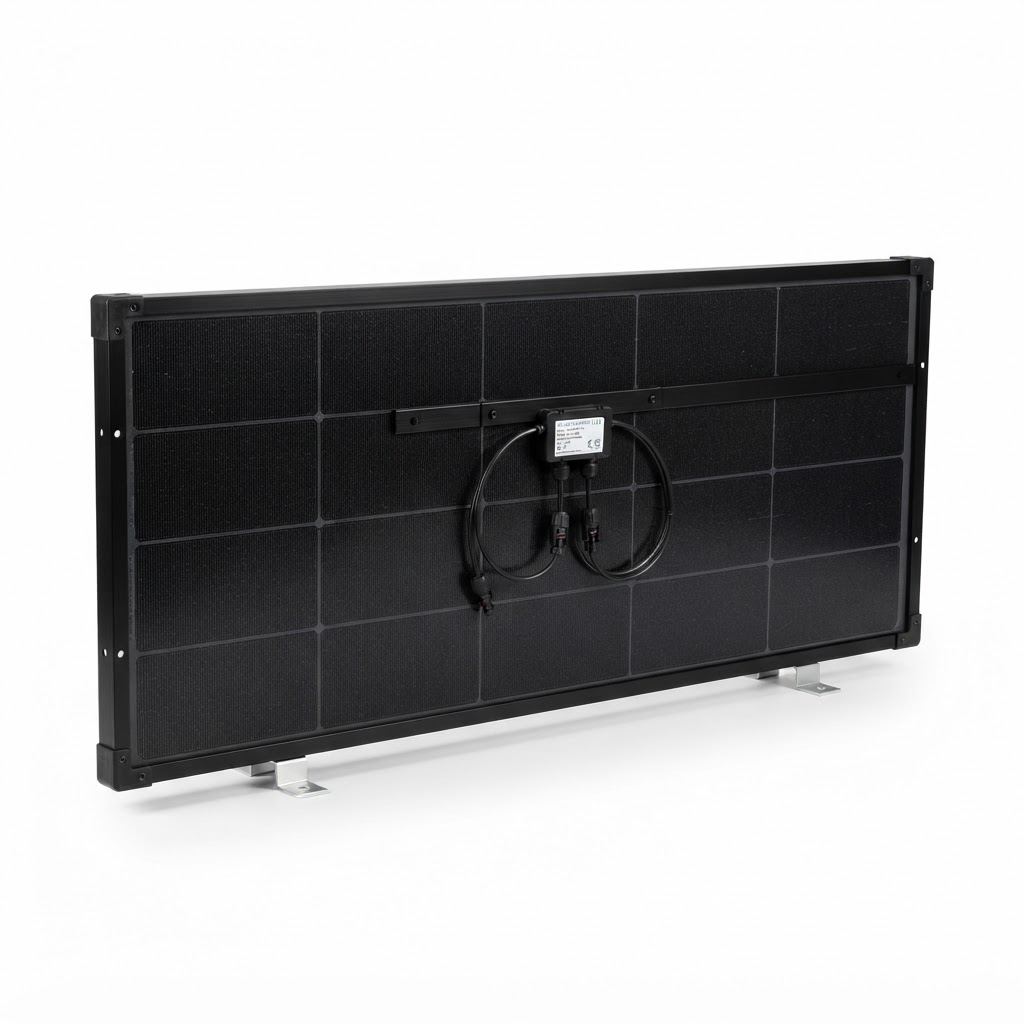
| 2 | Best Solar Panel for RV | MonocrystallineRigid | 200W | 21.6% | Check Current Price | |
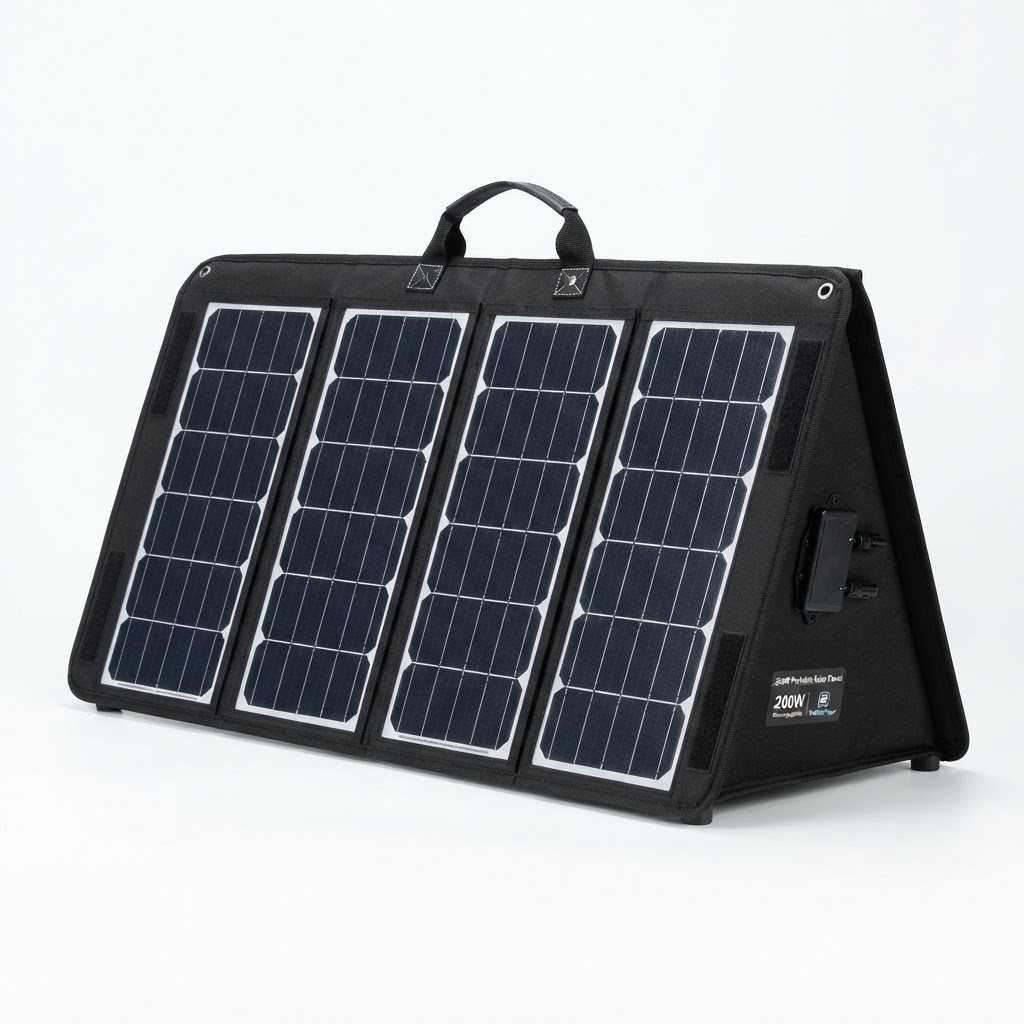
| 3 | Best Solar Panel for Camping | MonocrystallineFoldable | 200W | 23.4% | Check Current Price | |
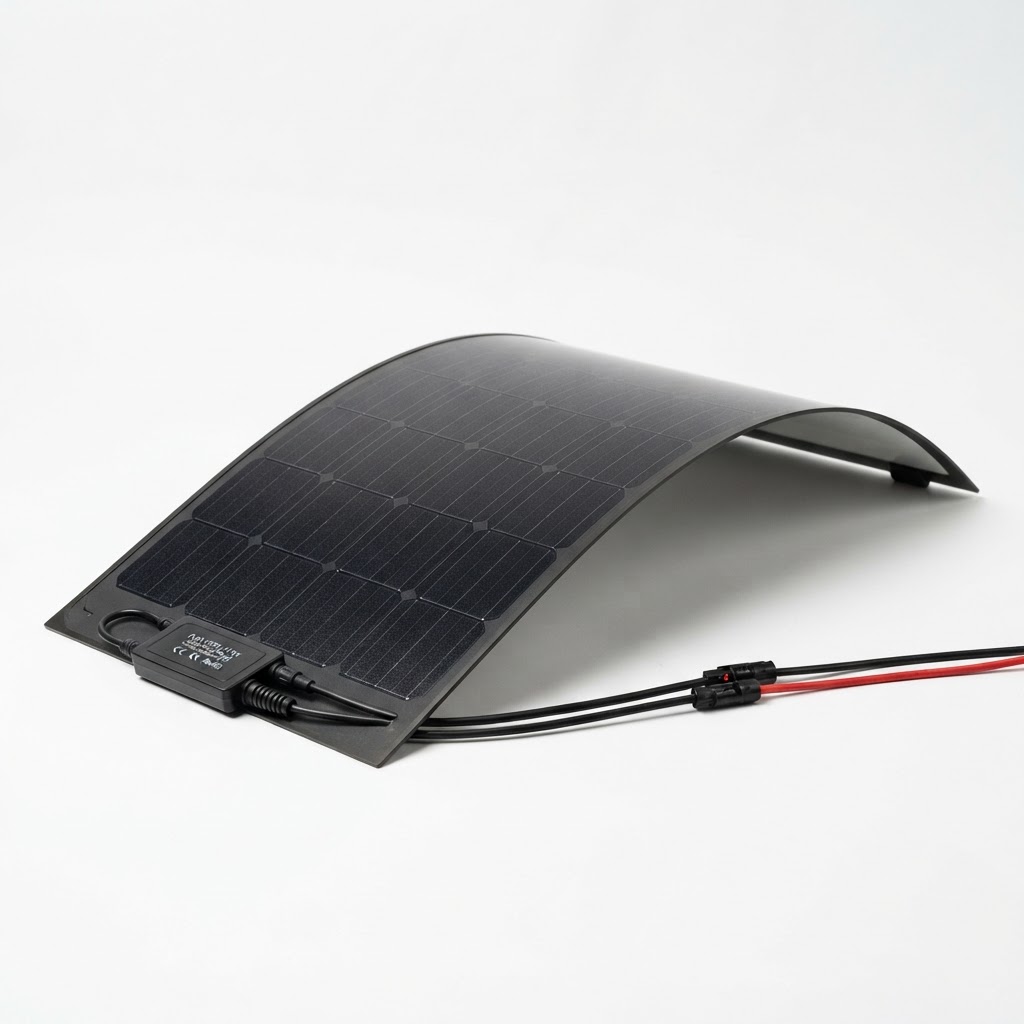
| 4 | Best Flexible Solar Panel | MonocrystallineFlexible | 175W | 22.4% | Check Current Price |
Watts
400W
Cell
Monocrystalline
Eff.
22.8%
Watts
200W
Cell
Monocrystalline
Eff.
21.6%
Watts
200W
Cell
Monocrystalline
Eff.
23.4%
Watts
175W
Cell
Monocrystalline
Eff.
22.4%
Start With Daily Energy Use, Not Panel Marketing
List the devices you expect to run and estimate how many watt-hours they consume each day. Refrigeration, ventilation, lighting, laptops, pumps and device charging can add up quickly. Solar production changes with season, latitude, shade and panel angle, so nameplate wattage is not the same thing as guaranteed daily energy. Building from your energy budget keeps the purchase grounded in what your van actually needs and makes it easier to decide whether a 200-watt starter setup is enough or whether roof space should be devoted to a larger array.
Rigid vs Flexible vs Portable Panels for a Van
Rigid monocrystalline panels are a common roof-mounted choice because the frame creates a durable structure and allows airflow beneath the module when mounted correctly. Flexible panels can be useful where weight, curvature or low profile matters, but mounting method and heat management deserve attention. Portable or foldable panels give you another option: park the van in shade and place the panel in sun. They require setup and storage, but that tradeoff can be valuable for travelers who move frequently or camp under trees.
How Much Roof Space Can You Actually Use?
Measure usable roof area after accounting for vents, fans, antennas, roof racks and clearance needed for maintenance. Panel dimensions matter just as much as wattage. Two panels with similar power ratings can have different footprints. Think through wire routing and mounting hardware before ordering. A paper layout or taped outline can reveal conflicts before holes are drilled. When roof area is scarce, higher-output panels can make better use of the available rectangle, provided their electrical specifications work with the rest of the system.
Match the Array to the Charge Controller and Battery
A panel is only one part of the charging system. Check the solar charge controller's maximum input voltage, current and wattage, then verify the planned series or parallel arrangement stays within those limits. Also consider the battery chemistry and charging profile. More solar is not automatically useful if the controller cannot accept it. Manufacturer specifications can change, so verify the current voltage, current and connector details for the exact panel and controller before purchase.
Product Types Worth Comparing
For a permanent roof array, the Renogy 400W monocrystalline panel is one direct-linked option in our catalog for shoppers who have enough usable space. The Rich Solar 200W rigid panel offers a smaller RV-oriented format, while the Renogy 175W flexible panel addresses installations where a flexible form factor is important. Travelers wanting a deployable panel can also compare the BougeRV 200W foldable model. These are starting points for comparison, not universal winners; verify dimensions, electrical limits and mounting requirements for your specific van.
Build for Shade, Weather and Real Travel
A van roof rarely lives in laboratory conditions. Roof racks, vents and trees can create partial shade, while dust and road grime reduce light reaching the cells. Leave reasonable access for cleaning and inspection. Think about how you actually camp: someone chasing open desert sun has different needs from someone spending summers in wooded campgrounds. A portable panel can complement a roof array when shade is unavoidable. Design around the places you travel, not just the best-case number printed on a specification sheet.
Frequently Asked Questions
How many watts of solar do I need for van life?
It depends on daily energy consumption, battery capacity, available sunlight and charging from other sources. Estimate daily watt-hours first, then size the array with realistic solar conditions and your charge controller limits in mind.
Are flexible solar panels good for vans?
They can be useful for low-profile, lightweight or curved installations. Compare mounting requirements, heat management, durability and electrical specifications against rigid alternatives before deciding.
Can I use portable solar panels with a van?
Yes, if the panel's voltage, current, connectors and controller requirements are compatible with your system. Portable panels can be especially useful when the van itself is parked in shade.
Is a 400W solar panel too large for a van?
Not necessarily. Physical dimensions and electrical compatibility matter more than the wattage number alone. Measure roof space and verify the controller and battery system can accept the planned array.
Should van solar panels be wired in series or parallel?
That depends on the panels, controller limits, wire run and shade considerations. Verify maximum open-circuit voltage and current before choosing an arrangement, especially when combining multiple panels.
Disclosure: As an Amazon Associate, we earn from qualifying purchases. This helps support our site at no extra cost to you.