High Output Solar Panels: How to Get More Power From Limited Space
High output solar panels are useful when you need to harvest more solar energy without filling every available inch of roof, rack, or ground space. But the largest wattage number is not automatically the best choice. Physical dimensions, efficiency, voltage, mounting conditions, shading and the equipment receiving the power all matter. This guide explains how to compare high-output panels for permanent installations, RV systems and large portable power setups, with product recommendations based on listed manufacturer specifications. Manufacturer specifications may change, so check current product details before buying. As an Amazon Associate, we earn from qualifying purchases.
Quick Answer
For limited mounting space, prioritize watts per square foot and panel efficiency rather than wattage alone. A high-wattage rigid panel can make sense for permanent arrays, while a high-output portable panel can be better for solar generators. Always confirm voltage, connector and controller compatibility before purchasing.
Recommended Products
Based on listed specifications. Prices and availability change — check Amazon for current details.
Disclosure: As an Amazon Associate, we earn from qualifying purchases. This helps support our site at no extra cost to you.
Prices and availability change often. Use the Amazon button to check the current price and product details for each panel.
| # | Product | Best For | Cell Type | Watts | Efficiency | Price |
|---|---|---|---|---|---|---|
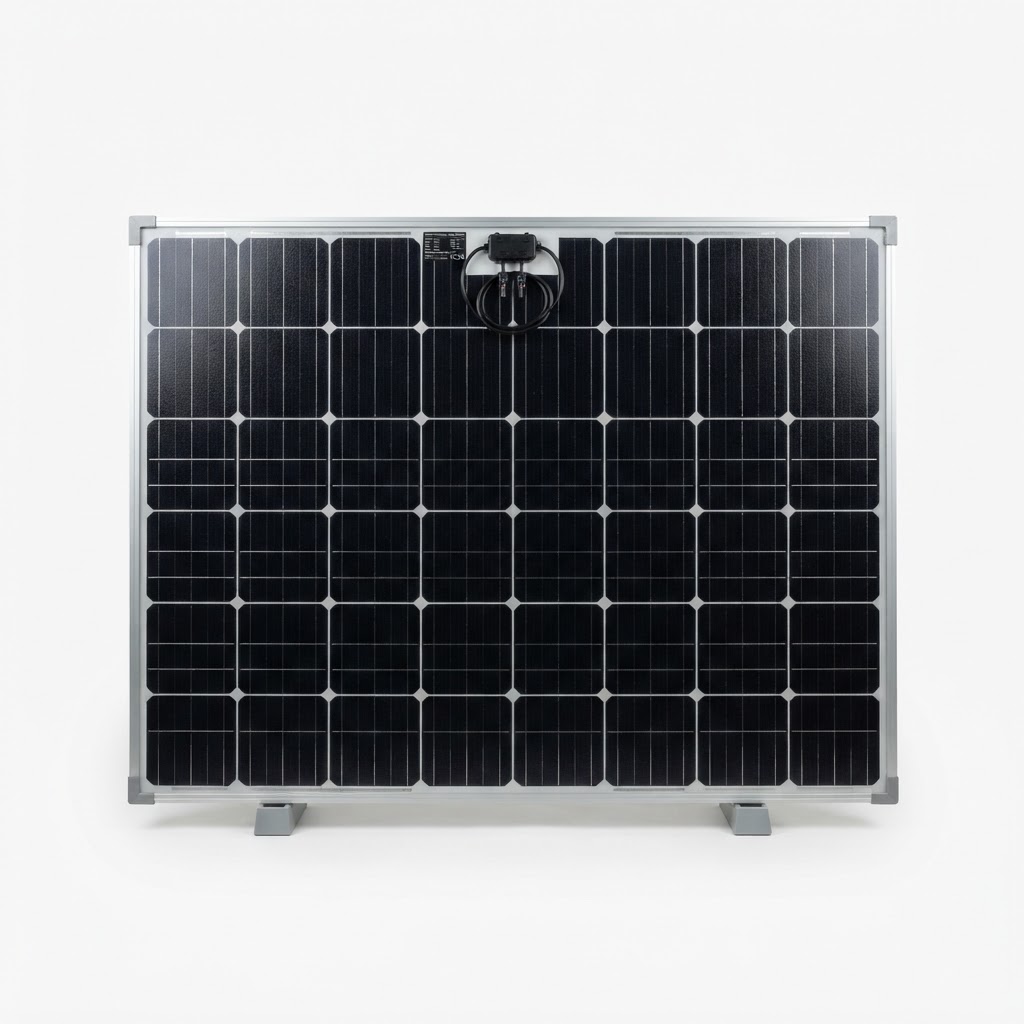
| 1 | Best Overall High-Efficiency | MonocrystallineRigid | 400W | 22.8% | Check Current Price | |
| 2 | 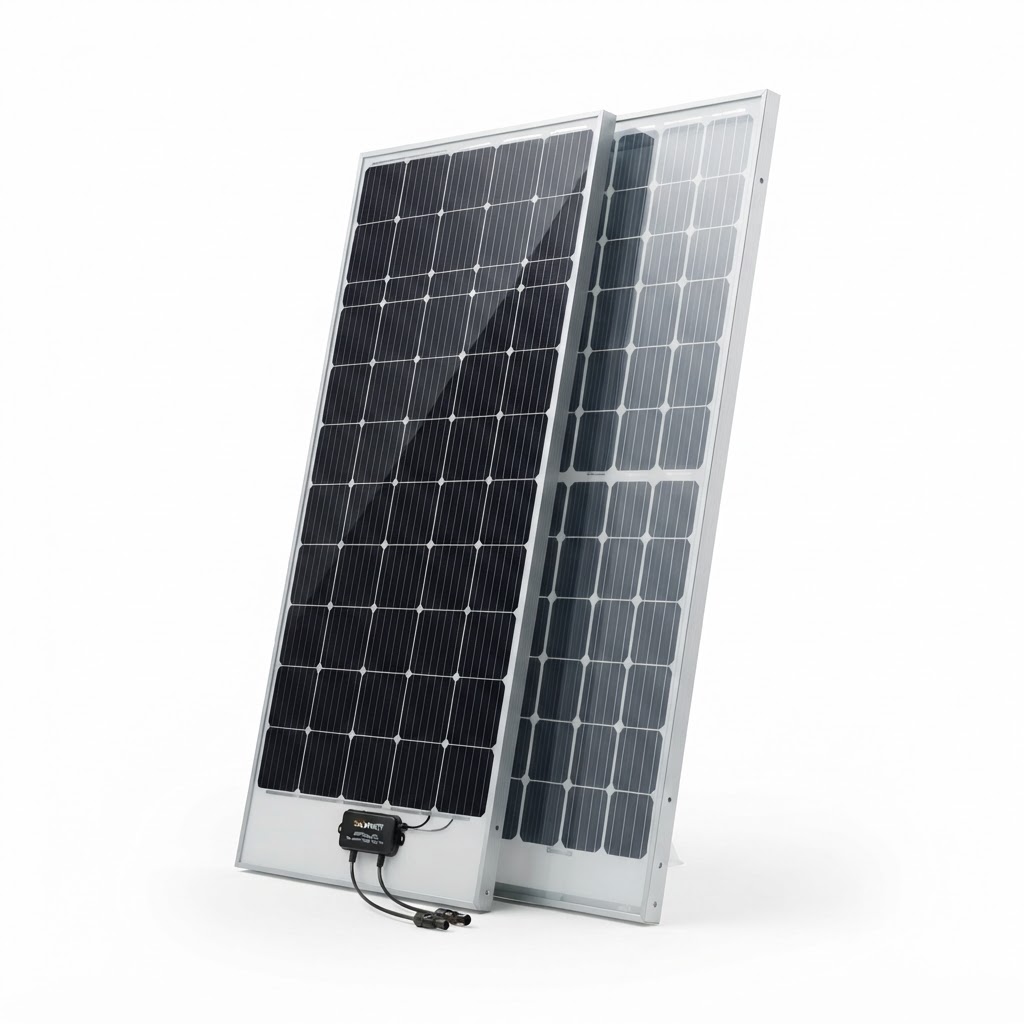 Canadian Solar 455W BiHiKu7 Bifacial Panel Canadian Solar | Best Bifacial Solar Panel | TOPConRigid | 455W | 22.5% | Check Current Price |
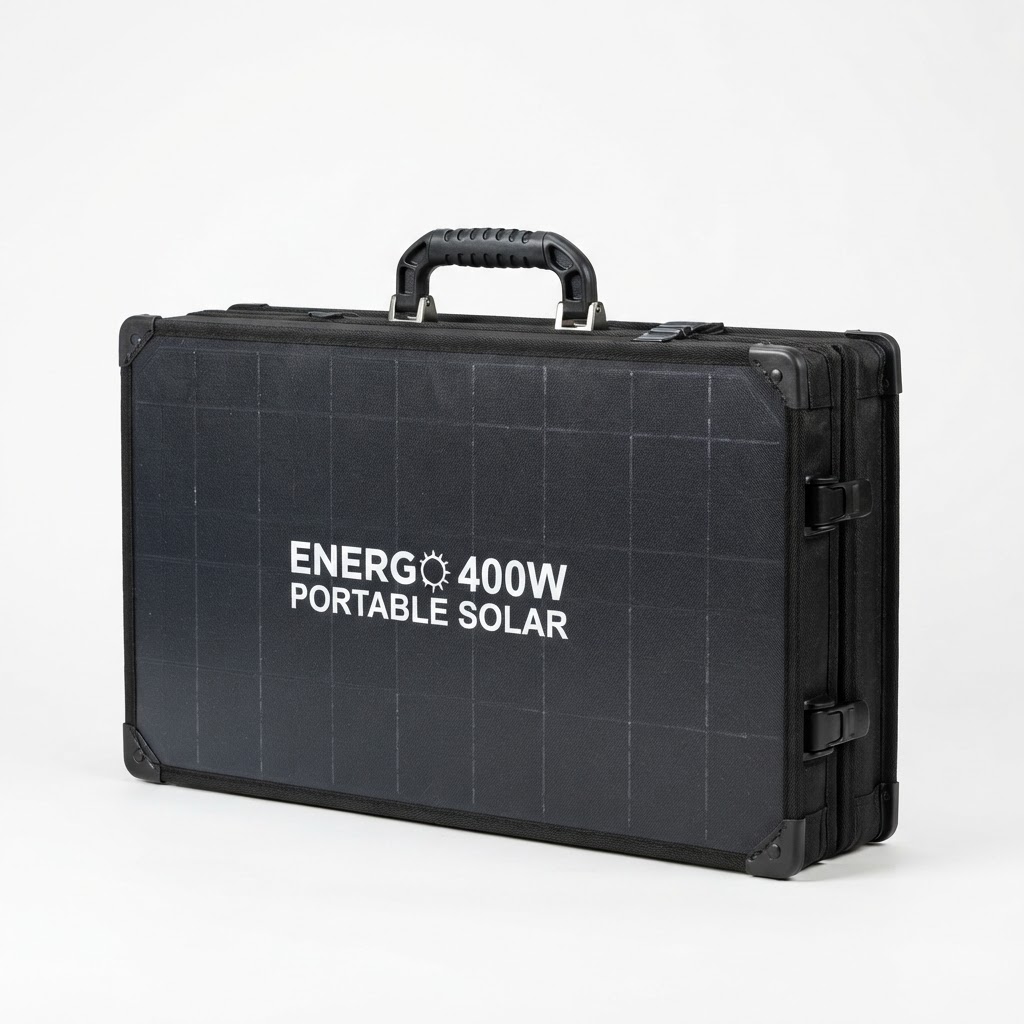
| 3 | Best for Solar Generator | MonocrystallinePortable | 400W | 22.6% | Check Current Price | |
| 4 |  SunPower Maxeon 6 425W Panel SunPower | Best Premium Solar Panel | IBCRigid | 425W | 22.8% | Check Current Price |
Watts
400W
Cell
Monocrystalline
Eff.
22.8%
Watts
455W
Cell
TOPCon
Eff.
22.5%
Watts
400W
Cell
Monocrystalline
Eff.
22.6%
Watts
425W
Cell
IBC
Eff.
22.8%
What Makes a Solar Panel High Output?
High output can describe two different things: a panel with a large total wattage rating, or a panel that produces unusually strong power for its physical footprint. Those are related, but they are not identical. A physically huge panel can carry a high wattage rating without being especially efficient. When space is scarce, compare rated watts, panel dimensions and listed efficiency together. Cell technology also matters. Modern monocrystalline designs, including PERC, TOPCon and IBC approaches, can improve conversion efficiency and help manufacturers fit more rated output into a practical area. For buyers, the useful question is not simply which panel has the biggest number on the label. Ask how much usable roof or rack area you have, what voltage your charge controller or inverter accepts, and whether the panel's dimensions make installation practical. Real-world output also varies with sun angle, temperature, shading, wiring and system losses, so nameplate wattage should be treated as a comparison specification rather than a guaranteed field result.
High Wattage vs High Efficiency
Wattage tells you the panel's rated maximum power under standardized conditions. Efficiency describes how effectively the panel converts incoming sunlight into electricity across its surface area. If two panels occupy roughly the same area, the more efficient design can generally provide more rated power from that space. If one panel is much larger, however, it may have higher wattage even with similar or lower efficiency. This distinction matters on vans, RVs, residential roofs and compact ground racks where square footage is valuable. Buyers with abundant ground space may care more about total system cost and compatibility than squeezing every watt from each square foot. Buyers with limited space should pay closer attention to dimensions and efficiency. Based on the product data currently listed on this site, several rigid panels in the 400-watt-plus class combine substantial rated output with efficiency figures above 22%, making them useful comparison points for space-conscious permanent systems.
Best High-Output Panels for Permanent Installations
For permanent roof or ground mounting, rigid high-wattage panels are usually the natural starting point. The Renogy 400W Monocrystalline Solar Panel is listed at 400 watts and 22.8% claimed efficiency, while the Canadian Solar 455W BiHiKu7 is listed at 455 watts and 22.5% claimed efficiency with a bifacial TOPCon design. The SunPower Maxeon 6 listing in our product database is 425 watts with 22.8% claimed efficiency. These specifications make them useful candidates to compare when output per panel matters. The Canadian Solar option is especially interesting where the back side can receive reflected light, while a conventional monofacial panel may be simpler for flush-mounted applications. Before choosing any large panel, check its dimensions, weight, mounting requirements, electrical specifications and the limits of your inverter or charge controller. A panel that looks excellent on a specification sheet is not useful if it physically will not fit or electrically cannot be matched safely to the rest of the system.
High Output for Solar Generators and Portable Power
Portable systems involve a different compromise. Large rigid panels can offer excellent output, but portability introduces weight, folding size, setup time and connector compatibility. The EcoFlow 400W Portable Solar Panel in our catalog is listed at 400 watts and is designed around portable power-station use. That makes it a more natural candidate for people who want substantial deployable solar input without permanently mounting a rigid module. The tradeoff is weight and bulk compared with 100- or 200-watt portable panels. Before pairing any portable panel with a power station, confirm the station's solar input voltage range, maximum input current, maximum solar wattage and required connector. More panel wattage does not help if the power station cannot accept it. Check current product details on Amazon and the power station manufacturer's documentation because specifications and bundled adapters can change.
How Many High-Output Panels Do You Need?
Start with energy use rather than panel count. Estimate daily watt-hours consumed by your refrigerator, lighting, electronics, pumps, fans and other loads. Then account for the usable sun available where and when you travel or live. A 400-watt nameplate panel does not produce 400 watts continuously throughout the day. Sun angle, clouds, temperature, dirt, shading and conversion losses reduce real-world energy harvest. Once you have a daily energy target, use the site's solar calculator to estimate an appropriate array size, then determine how many panels of your chosen wattage fit the target. For an RV or van, also map the actual roof around vents, air conditioners and antennas before ordering. For home or ground-mounted systems, local electrical and structural requirements may affect the design. High-output modules reduce panel count in some installations, but the entire electrical system still has to be designed around the resulting voltage and current.
What to Check Before Buying
Compare dimensions, weight, rated wattage, listed efficiency, cell technology, connector type, weather resistance and warranty information. For bifacial products, consider whether the mounting location actually exposes the rear surface to useful reflected light. For portable panels, compare folded size and weight in addition to wattage. For permanent off-grid systems, verify charge-controller voltage and current limits before combining panels in series or parallel. Avoid choosing a panel solely because its marketing headline uses words such as powerful or high output. A well-matched 200-watt panel can be more useful than a poorly matched 455-watt module. The best choice is the panel that fits the physical space, electrical system and energy goal. As an Amazon Associate, we earn from qualifying purchases. Product cards on this guide should link only to direct product pages; check current specifications and availability on Amazon before purchasing.
Frequently Asked Questions
What is considered a high output solar panel?
There is no single universal threshold. In consumer and residential contexts, panels around 400 watts and above are commonly described as high-output, but efficiency and physical size are just as important when space is limited.
Is a 455W solar panel always better than a 400W panel?
No. Fit, efficiency, voltage, weight, mounting style, bifacial conditions and system compatibility can make a 400W panel the better choice for a particular installation.
Do high-efficiency panels produce more power in cloudy weather?
Efficiency helps a panel produce more rated power from a given area, but cloudy-weather performance depends on many factors. Do not treat an efficiency rating as a guarantee of a specific cloudy-day output.
Can I connect a 400W panel to a portable power station?
Only if the panel's voltage, current, connector and overall solar input are compatible with the power station's specifications. Verify both manuals before connecting equipment.
Are bifacial panels better for high-output systems?
They can add energy when the rear side receives useful reflected light, but they offer less benefit when the rear is blocked or mounted close to a dark surface.
Disclosure: As an Amazon Associate, we earn from qualifying purchases. This helps support our site at no extra cost to you.
Related Guides
Most Efficient Solar Panels Commercially Available (2026)
The most efficient solar panels commercially available in 2026. IBC, HJT, TOPCon, and PERC cell efficiency compared. Real-world efficiency rankings.
Highest Efficiency Commercial Solar Panel (2026) — Top Picks
The highest efficiency commercial solar panels in 2026. IBC, HJT, and TOPCon panels ranked by efficiency for residential, off-grid, and commercial use.
Solar Panel Efficiency Explained — What the Numbers Really Mean
What is solar panel efficiency? How is it measured? What's the difference between PERC, HJT, TOPCon, and IBC panels? Explained in plain language.