Highest Efficiency Commercial Solar Panels: What to Compare Before You Buy
The phrase “highest efficiency commercial solar panel” sounds like it should produce one winner, but buying decisions are more nuanced. Module efficiency is important when roof or mounting area is limited, yet wattage, dimensions, temperature behavior, electrical design, warranty terms, availability through your installer, and total system economics also matter. This guide shows you how to compare commercially available high-efficiency modules without turning one percentage into the entire decision.
Quick Answer
The best high-efficiency commercial solar panel is not determined by efficiency percentage alone. Compare current manufacturer datasheets for module efficiency, wattage, dimensions, electrical characteristics, temperature coefficients, warranty terms, and technology, then evaluate how those specifications fit the available area and system design.
Recommended Products
Based on listed specifications. Prices and availability change — check Amazon for current details.
Disclosure: As an Amazon Associate, we earn from qualifying purchases. This helps support our site at no extra cost to you.
Prices and availability change often. Use the Amazon button to check the current price and product details for each panel.
| # | Product | Best For | Cell Type | Watts | Efficiency | Price |
|---|---|---|---|---|---|---|
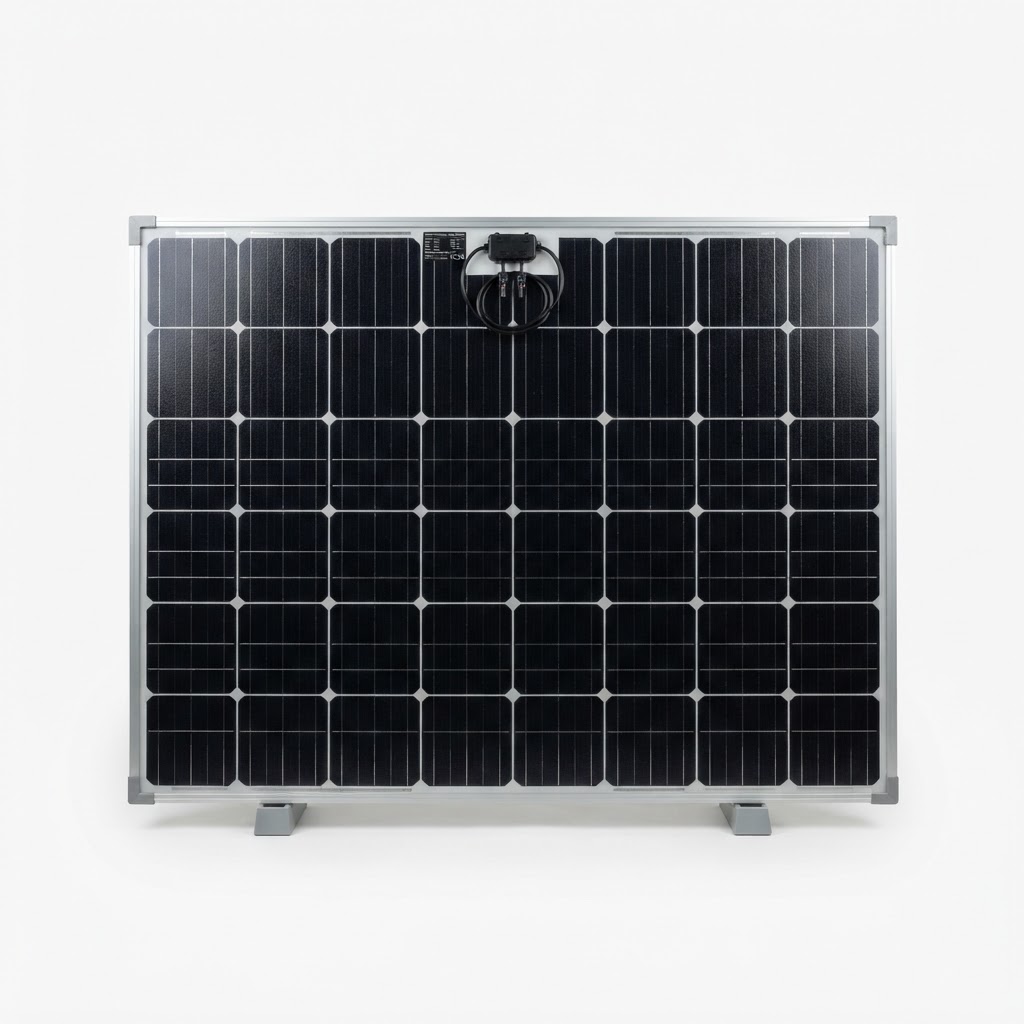
| 1 | Best Overall High-Efficiency | MonocrystallineRigid | 400W | 22.8% | Check Current Price | |
| 2 | 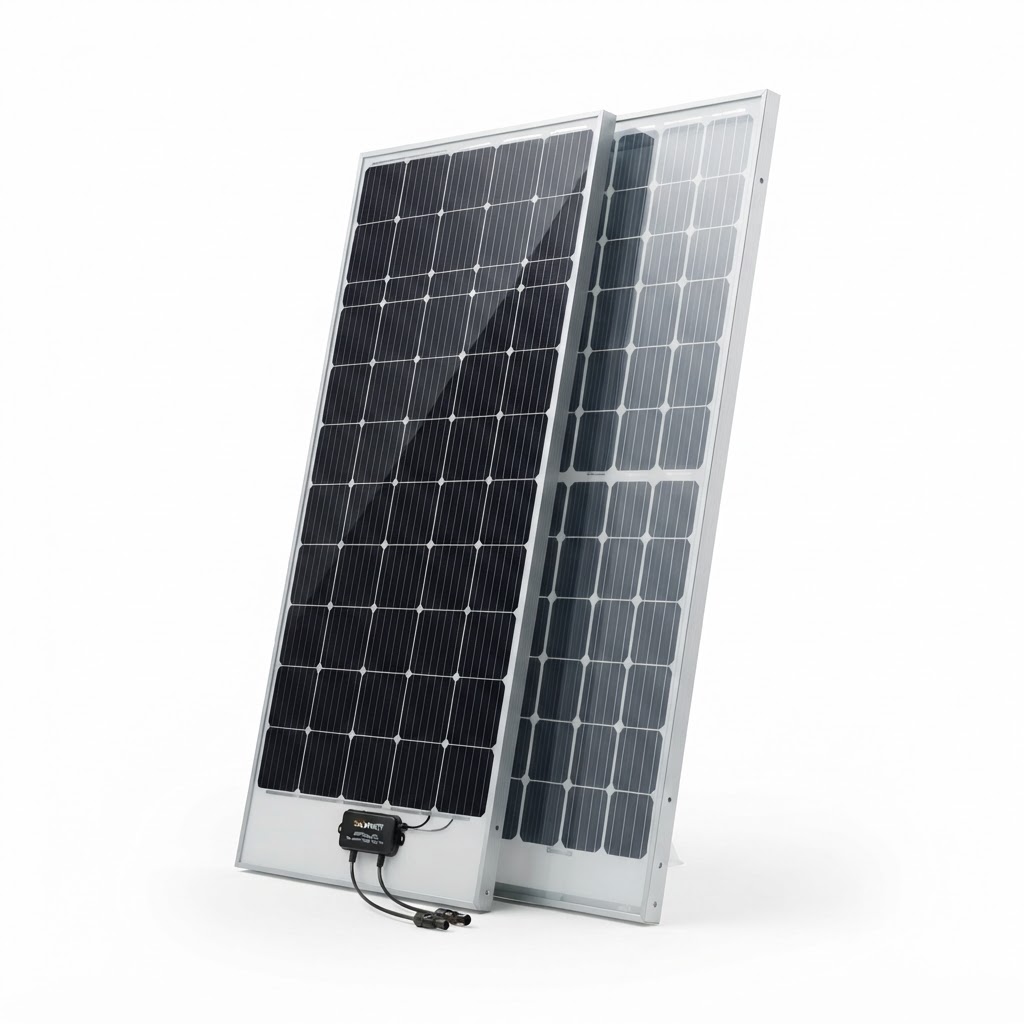 Canadian Solar 455W BiHiKu7 Bifacial Panel Canadian Solar | Best Bifacial Solar Panel | TOPConRigid | 455W | 22.5% | Check Current Price |
| 3 |  SunPower Maxeon 6 425W Panel SunPower | Best Premium Solar Panel | IBCRigid | 425W | 22.8% | Check Current Price |
Watts
400W
Cell
Monocrystalline
Eff.
22.8%
Watts
455W
Cell
TOPCon
Eff.
22.5%
Watts
425W
Cell
IBC
Eff.
22.8%
What solar panel efficiency actually measures
Module efficiency describes how effectively a solar panel converts incident sunlight into electrical output under standardized test conditions. For buyers, its biggest practical advantage is power density: a more efficient module can produce more rated power from a given amount of panel area, all else being comparable. That is especially valuable on roofs where usable square footage is the binding constraint. Efficiency does not mean a panel produces its nameplate wattage every hour of the day, and it does not describe the efficiency of the entire solar system. Weather, orientation, shading, temperature, inverter behavior, wiring, soiling, and other factors influence real energy production. Treat module efficiency as one important specification in a larger design problem, not as a guarantee of annual output.
Why watts per panel can be misleading without dimensions
A high-wattage panel is not automatically a high-efficiency panel. Manufacturers can increase module wattage by making the panel physically larger, by improving cell and module efficiency, or through a combination of both. When mounting area is scarce, compare wattage alongside dimensions and stated module efficiency. Two panels with different wattage ratings may deliver similar power density if the higher-wattage model is also substantially larger. Commercial projects often benefit from evaluating watts per usable roof area rather than simply selecting the biggest wattage number in a catalog. This also helps account for setbacks, walkways, roof obstructions, racking geometry, and module orientation. The objective is a productive array that fits the actual site, not the most impressive individual panel label.
IBC and TOPCon are worth understanding
High-efficiency modules may use technologies such as interdigitated back contact, commonly called IBC, or tunnel oxide passivated contact, known as TOPCon. These labels describe aspects of cell architecture, but technology names should not replace a datasheet comparison. Two products using the same broad cell technology can have different module efficiency, electrical characteristics, dimensions, warranties, and system fit. For buyers, the useful approach is to understand that advanced cell designs can support strong efficiency and power density, then compare the finished modules on documented specifications. The site’s direct-linked examples include a SunPower Maxeon 6 module listed as IBC and a Canadian Solar BiHiKu7 product record listed as TOPCon. Check current manufacturer documentation before making a commercial purchasing decision because specifications and product generations change.
Temperature coefficient matters in hot operating conditions
Solar modules are rated under standardized conditions, but rooftops often operate much hotter than the reference cell temperature used for nameplate testing. As module temperature rises, power output generally falls. The power temperature coefficient on a manufacturer datasheet helps describe that relationship. For a project in a hot climate or on a roof with limited airflow, this specification can deserve more attention than a tiny difference in nameplate efficiency. Compare coefficients using the same units and understand that site design also affects module temperature. Racking height, roof material, wind exposure, and local climate all influence operating conditions. A professional energy model can combine these variables more meaningfully than a simple efficiency ranking.
Commercial buyers should compare the whole system
A module is only one part of a commercial solar installation. Inverter architecture, string design, rapid-shutdown requirements where applicable, racking, structural capacity, roof condition, electrical service, permitting, monitoring, labor, and maintenance access can all influence the final design. A premium-efficiency panel may create real value when space is constrained, but a slightly lower-efficiency module may be economically attractive on a large, unobstructed site. Commercial procurement also involves bankability, installer access, warranty administration, replacement strategy, and project timelines. Those factors are outside the scope of a simple Amazon-oriented product comparison, but they are essential for an actual commercial installation. Use online product research to understand technology and specifications, then obtain a site-specific design for a real project.
How to shop for a high-efficiency module
Start with current manufacturer datasheets rather than retailer headlines. Record module efficiency, rated wattage, physical dimensions, open-circuit voltage, operating voltage, current, temperature coefficients, mechanical load ratings, warranty terms, and any relevant certifications. Compare these against the project’s available area and electrical architecture. If you are evaluating individual panels online for an off-grid or small project, verify that the voltage and current are suitable for the controller or inverter you intend to use. For a building-scale commercial project, work through a qualified designer or installer. Product cards can be useful for seeing examples and current purchase details, but they should not substitute for engineering or for the latest manufacturer documentation.
Frequently Asked Questions
Does the highest efficiency solar panel always produce the most power?
No. Rated wattage also depends on panel size. A larger, slightly less efficient panel can have a higher wattage rating than a smaller, more efficient panel. Compare efficiency, watts, and dimensions together.
Why does efficiency matter for commercial solar?
Efficiency can be especially valuable when usable mounting area is limited because higher power density can help fit more rated capacity into the available space.
What is the difference between IBC and TOPCon solar cells?
They are different cell architectures used in modern high-performance modules. Rather than choosing by acronym alone, compare the finished module’s current datasheet specifications and system fit.
Should I choose a panel based only on its efficiency percentage?
No. Wattage, dimensions, temperature coefficient, electrical specifications, warranty terms, system compatibility, site conditions, and project economics all matter.
Can I buy commercial solar panels on Amazon for a building-scale project?
Online listings can be useful for product research or individual-module purchases, but a building-scale commercial installation requires site-specific electrical, structural, permitting, and system-design considerations.
Disclosure: As an Amazon Associate, we earn from qualifying purchases. This helps support our site at no extra cost to you.