How Many Solar Panels Do You Need for Van Life? A Practical Sizing Guide
Van-life solar sizing gets easier when you stop asking for a universal wattage and start with your own daily energy use. A weekend setup charging phones and lights has very different needs from a full-time rig running refrigeration, laptops, fans, pumps, and other 12-volt loads. This guide shows you how to turn those loads into a realistic solar target, then choose between rigid roof panels, flexible modules, portable panels, or a mix.
Quick Answer
Estimate your daily watt-hours first, divide by realistic peak-sun hours, then add headroom for conversion losses, weather, panel angle, and future loads. Roof area, battery capacity, and charge-controller limits ultimately determine how much solar makes sense for your van.
Recommended Products
Based on listed specifications. Prices and availability change — check Amazon for current details.
Disclosure: As an Amazon Associate, we earn from qualifying purchases. This helps support our site at no extra cost to you.
Prices and availability change often. Use the Amazon button to check the current price and product details for each panel.
| # | Product | Best For | Cell Type | Watts | Efficiency | Price |
|---|---|---|---|---|---|---|
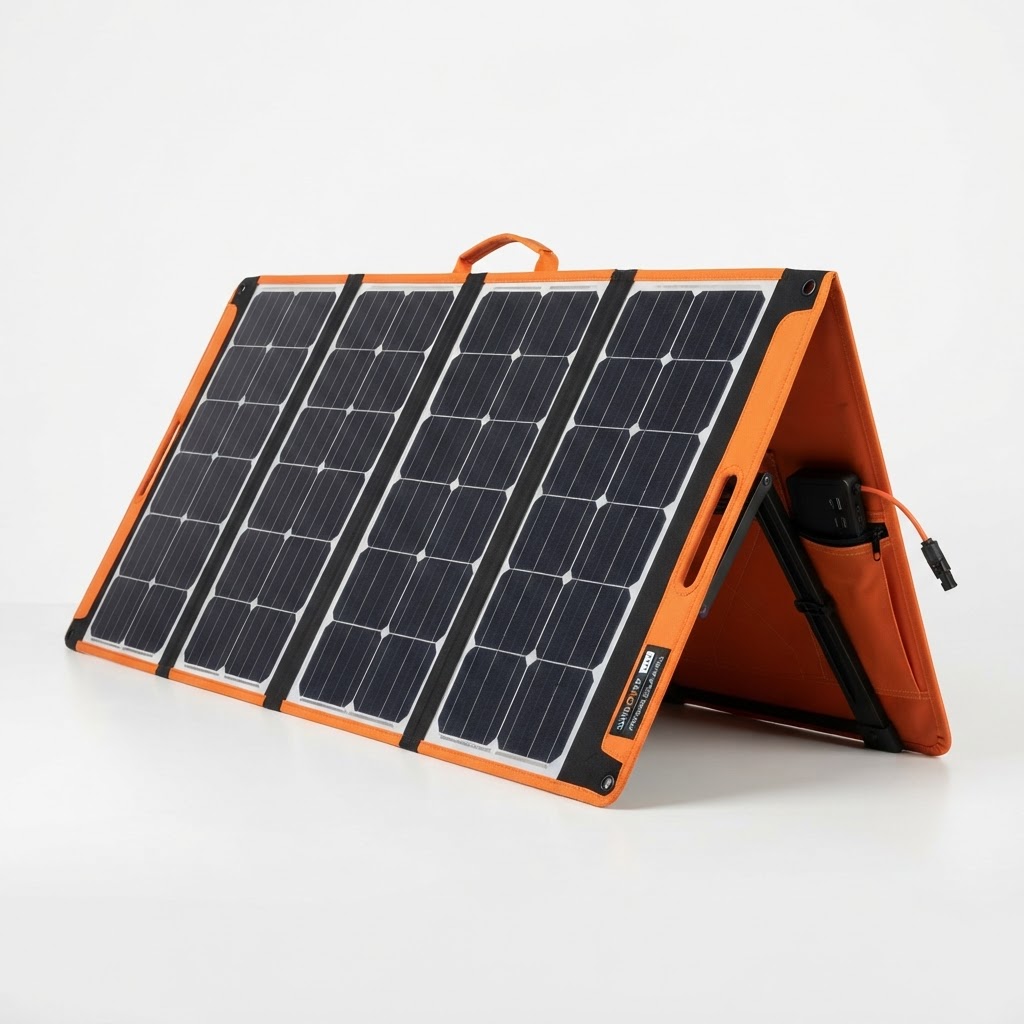
| 1 | Best Portable Solar Panel | MonocrystallinePortable | 100W | 23.7% | Check Current Price | |
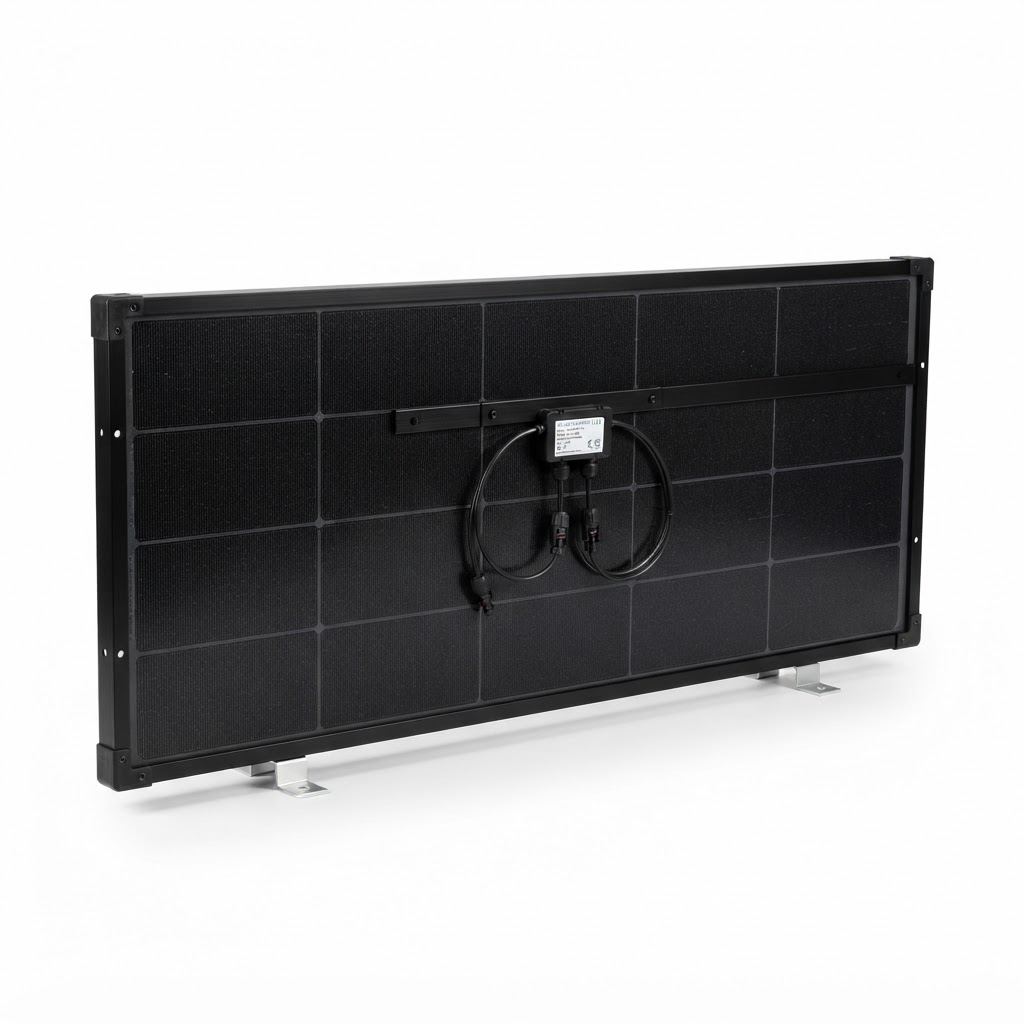
| 2 | Best Solar Panel for RV | MonocrystallineRigid | 200W | 21.6% | Check Current Price | |
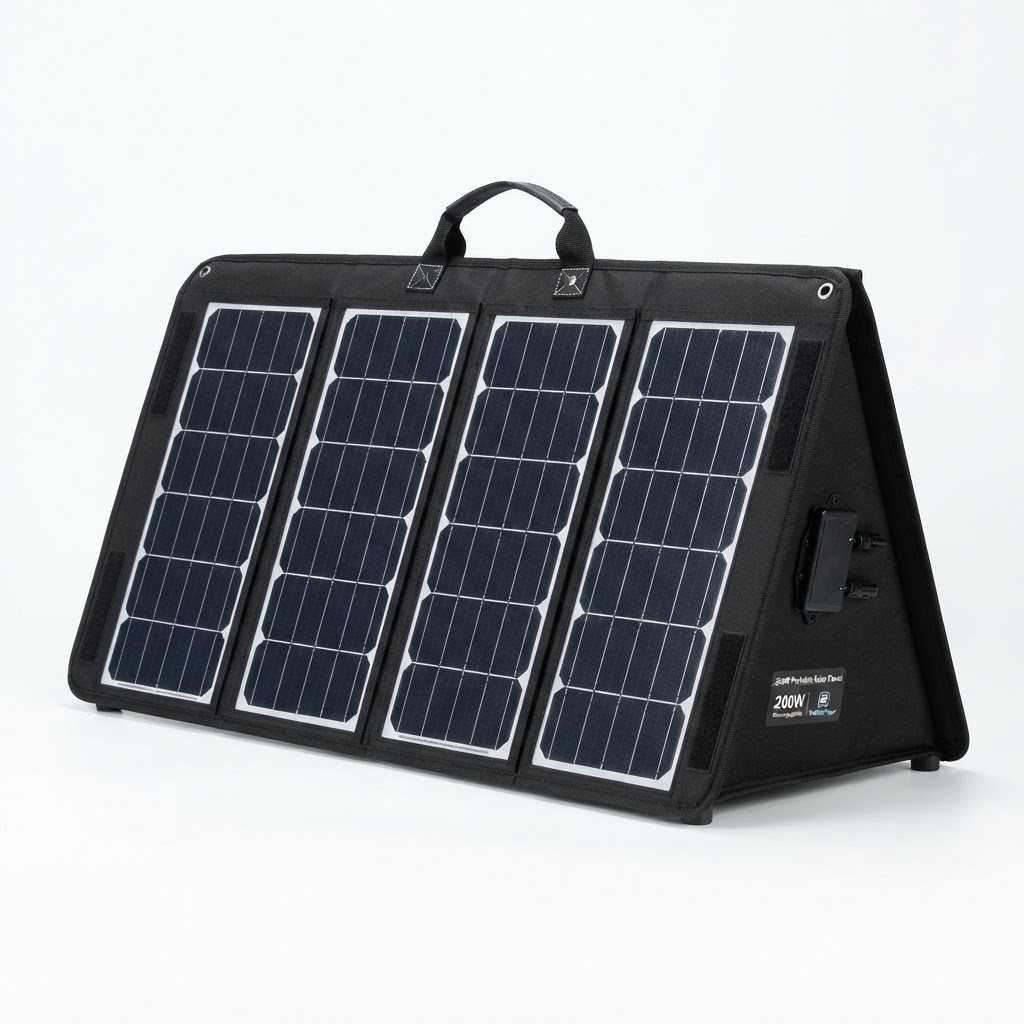
| 3 | Best Solar Panel for Camping | MonocrystallineFoldable | 200W | 23.4% | Check Current Price | |
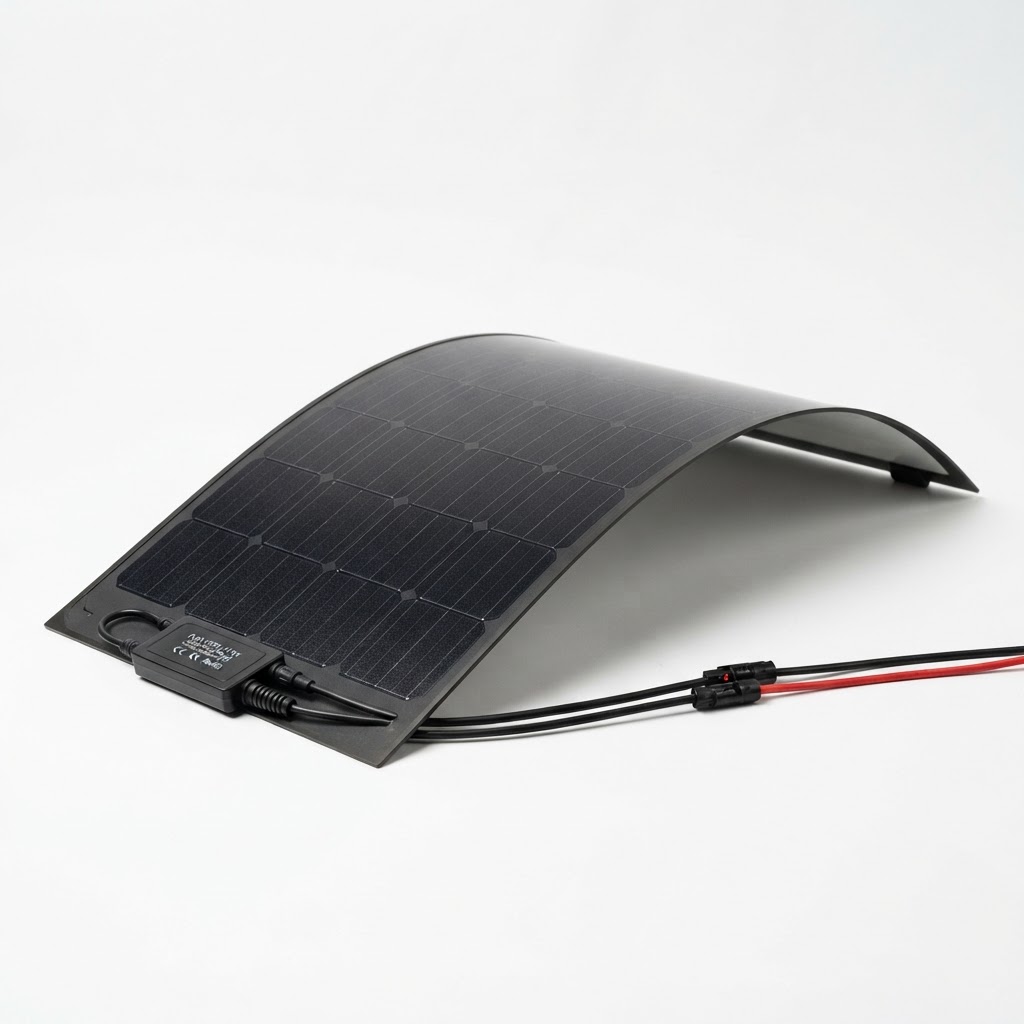
| 4 | Best Flexible Solar Panel | MonocrystallineFlexible | 175W | 22.4% | Check Current Price | |
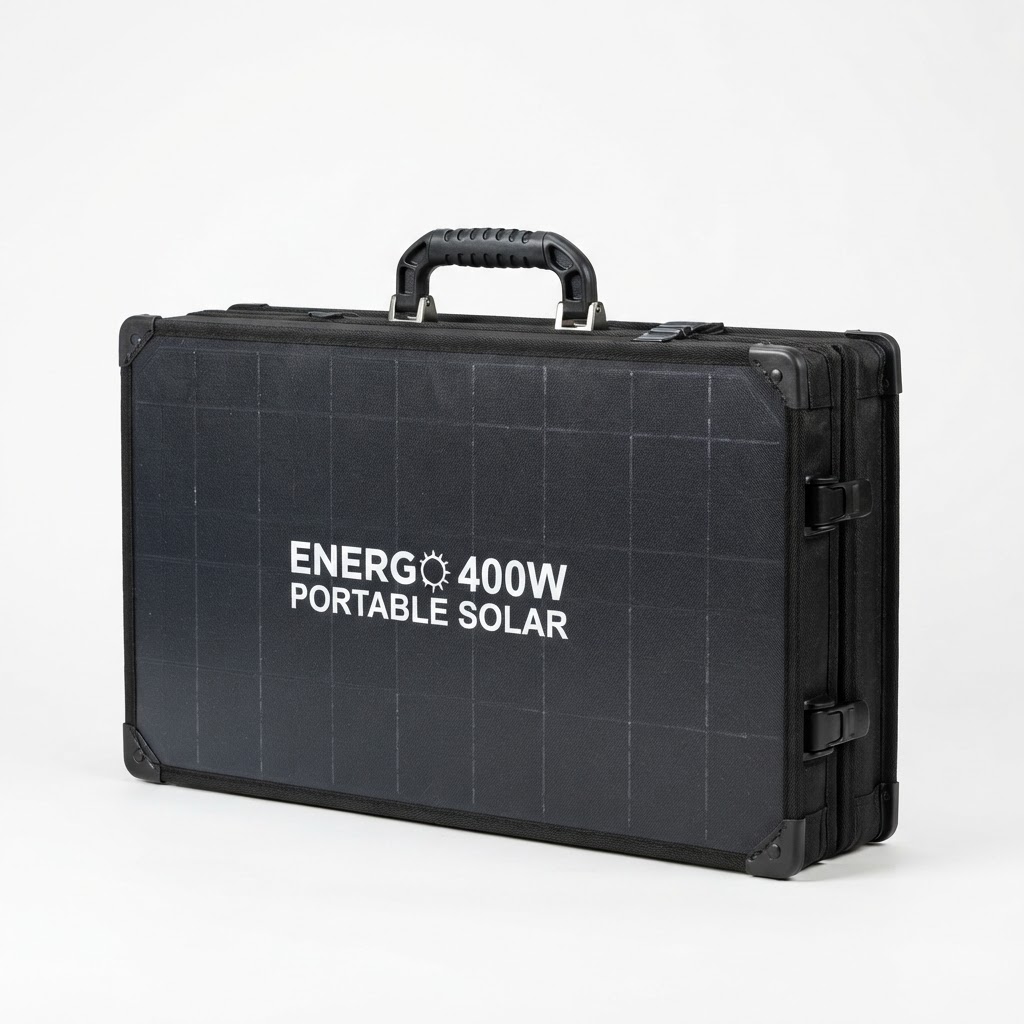
| 5 | Best for Solar Generator | MonocrystallinePortable | 400W | 22.6% | Check Current Price |
Watts
100W
Cell
Monocrystalline
Eff.
23.7%
Watts
200W
Cell
Monocrystalline
Eff.
21.6%
Watts
200W
Cell
Monocrystalline
Eff.
23.4%
Watts
175W
Cell
Monocrystalline
Eff.
22.4%
Watts
400W
Cell
Monocrystalline
Eff.
22.6%
Start With Daily Watt-Hours, Not Panel Count
List each device you expect to use, its wattage, and the hours it runs per day. Multiply watts by hours to estimate watt-hours, then total the list. Refrigeration, laptops, ventilation fans, water pumps, lighting, phones, cameras, and cooking appliances can produce very different totals depending on your routine. Panel count is a poor starting point because a compact 100W module and a large 400W module are not equivalent. Once you know the approximate energy you want to replace each day, you can compare that target with the solar wattage your roof and portable setup can realistically support. Build some margin into the calculation rather than designing around a perfect sunny day.
Convert Energy Use Into a Solar-Wattage Target
A simple planning method is to divide daily watt-hours by the number of useful peak-sun hours you expect. That gives a theoretical panel-wattage starting point. Real systems experience losses from heat, wiring, controller conversion, imperfect panel angle, shade, dust, and battery charging, so the theoretical number should not be treated as guaranteed production. Travelers also move through different seasons and latitudes. If you camp in cloudy regions or use the van heavily in winter, additional panel capacity can provide useful headroom. Manufacturer specifications describe panel ratings under standardized conditions; actual output varies with the installation and environment.
Rigid Roof Panels vs Flexible Panels
Rigid panels are a common choice when the roof has enough flat mounting area and the installation can accommodate brackets and airflow beneath the modules. Flexible panels can make sense when weight, roof curvature, or a low profile matters more. Their mounting method deserves extra attention because panel temperature and roof heat can affect performance and longevity. The Rich Solar 200W rigid panel and Renogy 175W flexible panel in our product database illustrate the two approaches. Compare dimensions, voltage, mounting requirements, and controller compatibility before treating wattage alone as the deciding factor.
Portable Solar Can Fill the Roof-Space Gap
A van roof competes with vents, fans, antennas, racks, and cargo. Portable panels let you add charging capacity without permanently occupying more roof area. They can also be moved toward better sun while the vehicle remains parked in shade. The tradeoff is setup time, storage space, cable management, and the need to secure equipment around camp. A 100W or 200W portable panel can supplement roof solar, while larger portable modules may suit higher-demand power stations. Check the receiving device's input voltage, current, connector, and maximum solar input before connecting any panel.
Match Solar to the Battery and Charge Controller
More panel wattage is not automatically useful if the rest of the electrical system cannot accept it. Verify the charge controller's maximum photovoltaic voltage, current, and supported array wattage. Also consider battery chemistry, capacity, recommended charging limits, and the amount of energy you actually use between charging opportunities. A well-matched system balances generation, storage, and loads. If you use a portable power station rather than a conventional battery bank, use the manufacturer's solar-input specifications as the hard boundary for panel configuration.
Plan for Shade, Seasons, and Real Travel
Solar production can change dramatically when roof panels are shaded by trees, buildings, roof accessories, or even small obstructions. Winter sun angles and shorter days can also reduce useful charging time. Travelers who depend heavily on solar may benefit from a hybrid strategy: roof panels for passive charging, portable panels for repositioning, and alternator or shore charging as backups. The goal is not to maximize the number of panels at any cost. It is to build enough resilient charging capacity for the way you actually camp and travel.
Frequently Asked Questions
Is 200W of solar enough for van life?
It can be enough for modest electrical loads, but there is no universal answer. Calculate daily watt-hours, consider local sun conditions, and compare the result with your battery capacity and charging alternatives.
Is 400W of solar good for a camper van?
400W can provide substantially more charging potential than smaller arrays when roof space, controller limits, and battery capacity support it. Actual daily energy production varies with sun, temperature, angle, shade, and system losses.
Should van solar panels be rigid or flexible?
Rigid panels often suit flat roofs with mounting clearance, while flexible panels can help with weight, curvature, or low-profile installations. Compare mounting, airflow, dimensions, electrical specifications, and long-term serviceability.
Can I use a portable solar panel with roof panels?
Yes, if the electrical system is designed for the combined inputs. Confirm voltage, current, controller configuration, connectors, and manufacturer limits before combining arrays.
How much battery capacity should I pair with van solar?
Size storage around your energy use, desired reserve, battery chemistry, and expected time between good charging opportunities. Solar wattage and battery capacity should be planned together.
Disclosure: As an Amazon Associate, we earn from qualifying purchases. This helps support our site at no extra cost to you.