MC4 to XT60 Solar Adapter Guide: How to Connect Your Panels Safely
Connecting your high-efficiency solar panels to modern portable power stations can be confusing due to varying connector standards. This MC4 to XT60 solar adapter guide is designed to help you bridge the gap between industry-standard solar cabling and the input ports found on most compact battery units. By understanding the mechanical and electrical requirements, you can build a reliable power system for camping, van life, or emergency backup. Improper connections can lead to voltage drops or melted ports, so following the correct procedures is essential for the longevity of your equipment.
Quick Answer
An MC4 to XT60 solar adapter allows you to convert the universal MC4 weather-resistant connectors commonly found on rigid and flexible panels into the XT60 plug required by many portable power stations. Always verify the polarity, voltage limits, and current ratings of your adapter and power station before making the final connection to prevent equipment damage.
Recommended Products
Based on listed specifications. Prices and availability change — check Amazon for current details.
Disclosure: As an Amazon Associate, we earn from qualifying purchases. This helps support our site at no extra cost to you.
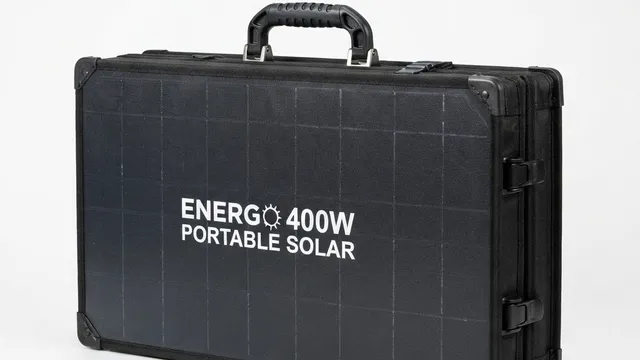
WATTS
400W
EFF.
22.6%
TYPE
Portable
CELL
Monocrystalline
EcoFlow 400W Portable Solar Panel
by EcoFlow
Listed as a 400W portable monocrystalline panel. Verify the current unfolded size, weight, weather rating, connector arrangement, and power-station input compatibility before purchase.
Who this is for
- 400W-class portable nameplate rating
- Portable rather than permanent-mount format
- Relevant to large power-station charging setups
Avoid if
You need a lightweight backpacking panel or your power station cannot accept the proposed input
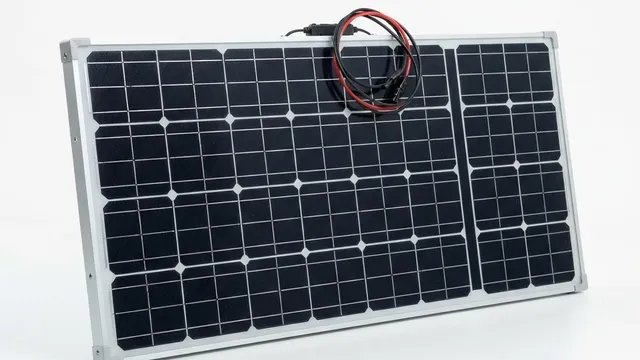
WATTS
100W
EFF.
21.2%
TYPE
Rigid
CELL
Monocrystalline
HQST 100W Monocrystalline Solar Panel
by HQST
Listed as a 100W monocrystalline rigid panel. Verify current dimensions, electrical specifications, weather rating, connectors, and warranty terms before use.
Who this is for
- Compact 100W-class format
- Rigid construction for permanent mounting
- Common size for small-system expansion
Avoid if
Your daily energy needs require substantially more array capacity
Understanding the Role of an MC4 to XT60 Solar Adapter Guide
The fundamental role of an adapter is to facilitate communication between different hardware ecosystems. Most professional-grade solar panels, such as those from Rich Solar or SunPower, come equipped with MC4 connectors designed for secure, waterproof, and permanent outdoor installations. Conversely, portable power stations utilize proprietary or standard RC-style connectors like the XT60 for quick and easy plugging. Using this MC4 to XT60 solar adapter guide, you will learn how to transition safely from raw solar output to a clean input for your battery. It is critical to recognize that these adapters do not change the voltage or current produced by the panel; they only provide the physical bridge. Always treat the solar input port on your power station with the same respect as a high-voltage electrical outlet, ensuring that you do not exceed the station's input current (amps) or voltage (VOC) limitations.
Checking Polarity and Wiring Standards
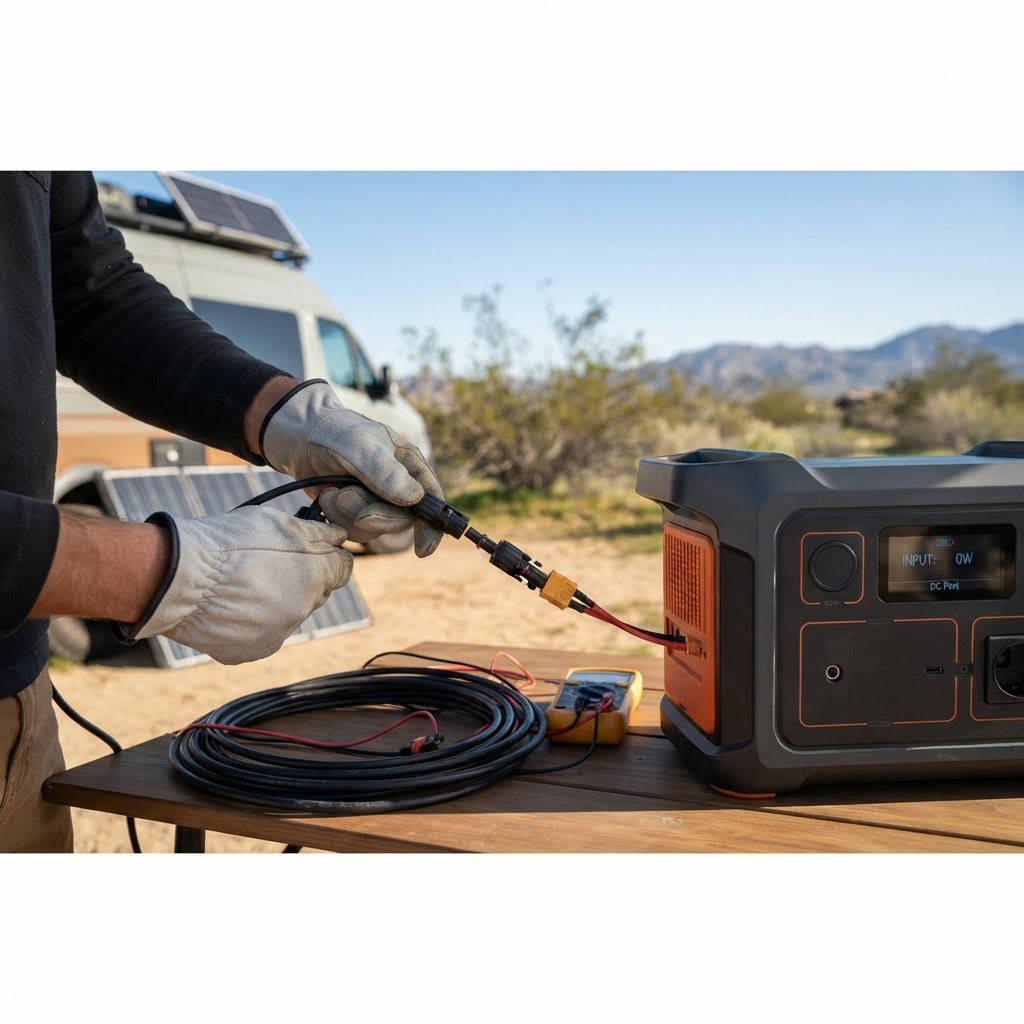
One of the most dangerous pitfalls when using an MC4 to XT60 adapter is the potential for reversed polarity. In the world of solar electricity, MC4 connectors are generally polarized so they only fit one way, but aftermarket adapters may not always follow industry standard wiring configurations. Before fully engaging the connectors, verify the positive and negative paths using a multimeter. If your adapter has the positive pin and negative pin reversed, you could permanently damage the internal charge controller of your portable power station. Ensure the 'male' and 'female' markings on your MC4 connectors match the polarity specified by your solar panel's documentation. When in doubt, perform a 'dry test' with a multimeter to confirm that the voltage output through the XT60 end is positive relative to the designated positive pin.
Managing Voltage and Current Limits
A high-efficiency panel system, such as those utilizing the 22.8% efficiency of a SunPower panel, can produce significant power. While an XT60 connector is robust, it is typically rated for specific amperage loads, often around 30 to 60 amps depending on the manufacturer specs. Your solar panel's open-circuit voltage (VOC) must also remain below the input limit of your power station. If you chain multiple panels together in series, you increase the voltage; in parallel, you increase the amperage. Before using an adapter, calculate the total potential output of your array. If your panel output exceeds the XT60 adapter's current rating or the power station's input threshold, you risk overheating the connector, which could lead to plastic melting or fire hazards. Always consult your station manual for maximum solar input wattage.
Choosing High-Quality Adapter Cables
Not all adapters are created equal. When selecting an MC4 to XT60 cable, prioritize items with appropriate wire gauge (AWG). For typical solar applications involving 100W to 400W panels, you should look for at least 12 or 10 AWG wiring to minimize power loss through heat. Low-quality adapters often use thinner wires that cannot handle the current, resulting in significant voltage drops that prevent your power station from reaching full charge. Look for connectors that feature thick, UV-resistant insulation and solid copper crimping. Avoid 'cheap' generic adapters found on obscure websites, as these often lack proper strain relief, which can lead to intermittent connections. A well-constructed adapter will feel substantial and have tight-fitting tolerances at the contact points to ensure optimal power flow.
Best Practices for Field Connections
When setting up your system outdoors, environmental factors play a huge role in connection success. Keep your MC4 to XT60 connections off the ground, preferably in a dry area or covered by an enclosure, especially if moisture is a concern. While MC4 connectors are designed to be waterproof, the XT60 side is generally not meant for deep submersion or direct exposure to heavy rain. During the day, monitor the connection point for heat. If the XT60 connector feels excessively hot to the touch, it indicates high resistance, usually caused by a poor connection or an undersized cable. Disconnect immediately, allow the gear to cool down, and inspect the pins for signs of arcing or burning before attempting to reconnect. Periodic maintenance is key to keeping your off-grid system running at peak performance.
Frequently Asked Questions
Can I use an MC4 to XT60 adapter with any solar panel?
Yes, as long as the solar panel's voltage and current outputs are within the acceptable range specified by your portable power station's manual.
What happens if I connect the adapter with reversed polarity?
Reversed polarity can trigger reverse current protection in many modern power stations, preventing them from charging, or in worse cases, it can cause immediate damage to the internal charge controller.
Do I need a charge controller between the panel and the XT60 port?
Most portable power stations have built-in MPPT or PWM charge controllers. If your power station does not have one, you must use a separate charge controller before connecting to the battery.
Can I daisy-chain multiple adapters?
It is generally not recommended to chain multiple adapters together as each connection introduces resistance and potential failure points. Use a single, appropriately sized cable instead.
What wire gauge is best for an MC4 to XT60 adapter?
For most portable solar systems, 12 AWG or 10 AWG wire is standard, providing the right balance between flexibility and low voltage drop for typical solar currents.
Sources & Editorial Method
We compare primary technical references, manufacturer documentation, and current product specifications. Amazon is used as a purchase destination, not as evidence for ratings or technical claims. Unless a page explicitly documents hands-on testing, recommendations are specification-based editorial analysis.
Disclosure: As an Amazon Associate, we earn from qualifying purchases. This helps support our site at no extra cost to you.