Monocrystalline vs Polycrystalline Solar Panels: Which Is Better for Your Setup?
Monocrystalline vs polycrystalline solar panels used to be one of the first decisions solar buyers faced. Today, monocrystalline technology dominates many higher-efficiency consumer products, but understanding the distinction is still useful when comparing older equipment, budget modules and different solar cell technologies. This guide explains the practical differences without assuming one label automatically makes a panel better. Product examples are based on listed specifications, and manufacturer specifications may change. As an Amazon Associate, we earn from qualifying purchases.
Quick Answer
Monocrystalline panels are generally the stronger choice when space and efficiency matter because modern mono cells commonly deliver higher efficiency. Polycrystalline panels can still produce useful power, but buyers should compare the complete panel specification, cost, dimensions and system compatibility rather than choosing solely by cell label.
Recommended Products
Based on listed specifications. Prices and availability change — check Amazon for current details.
Disclosure: As an Amazon Associate, we earn from qualifying purchases. This helps support our site at no extra cost to you.
Prices and availability change often. Use the Amazon button to check the current price and product details for each panel.
| # | Product | Best For | Cell Type | Watts | Efficiency | Price |
|---|---|---|---|---|---|---|
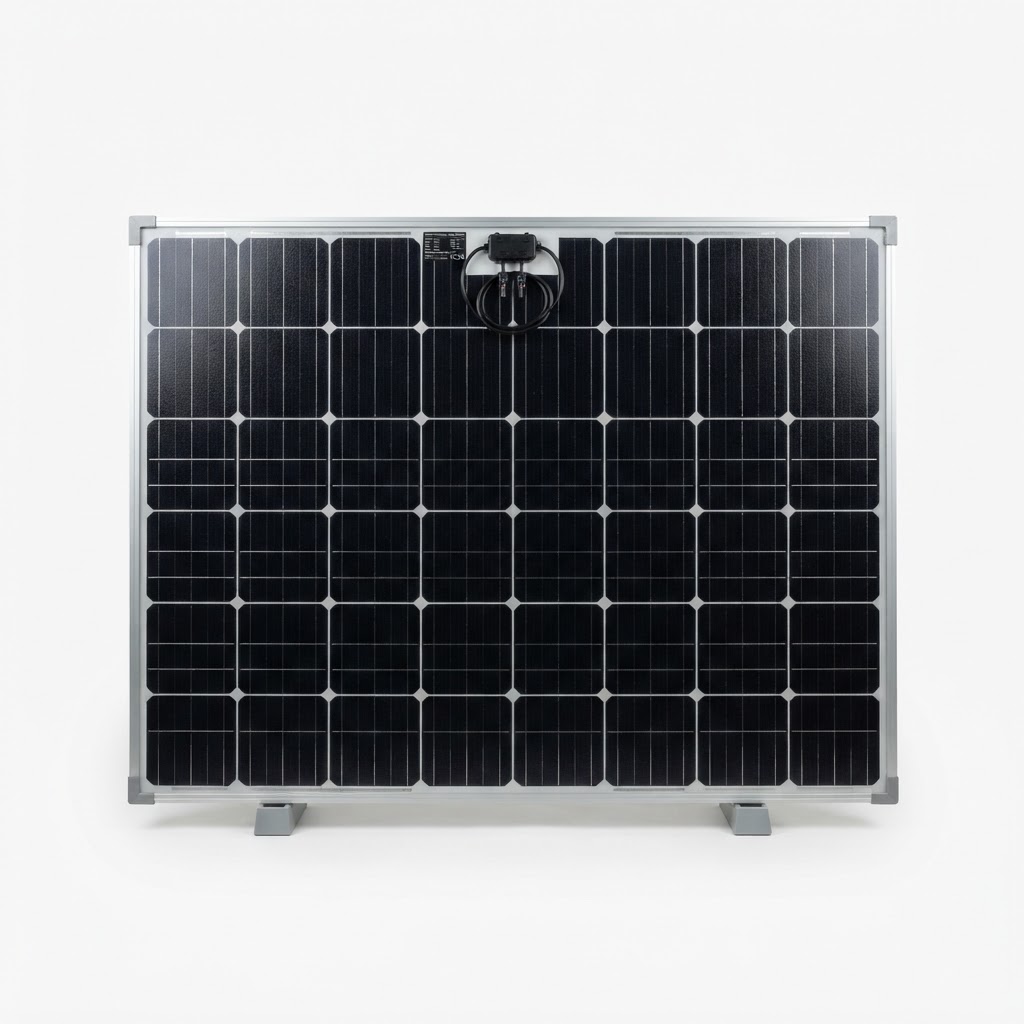
| 1 | Best Overall High-Efficiency | MonocrystallineRigid | 400W | 22.8% | Check Current Price | |
| 2 | 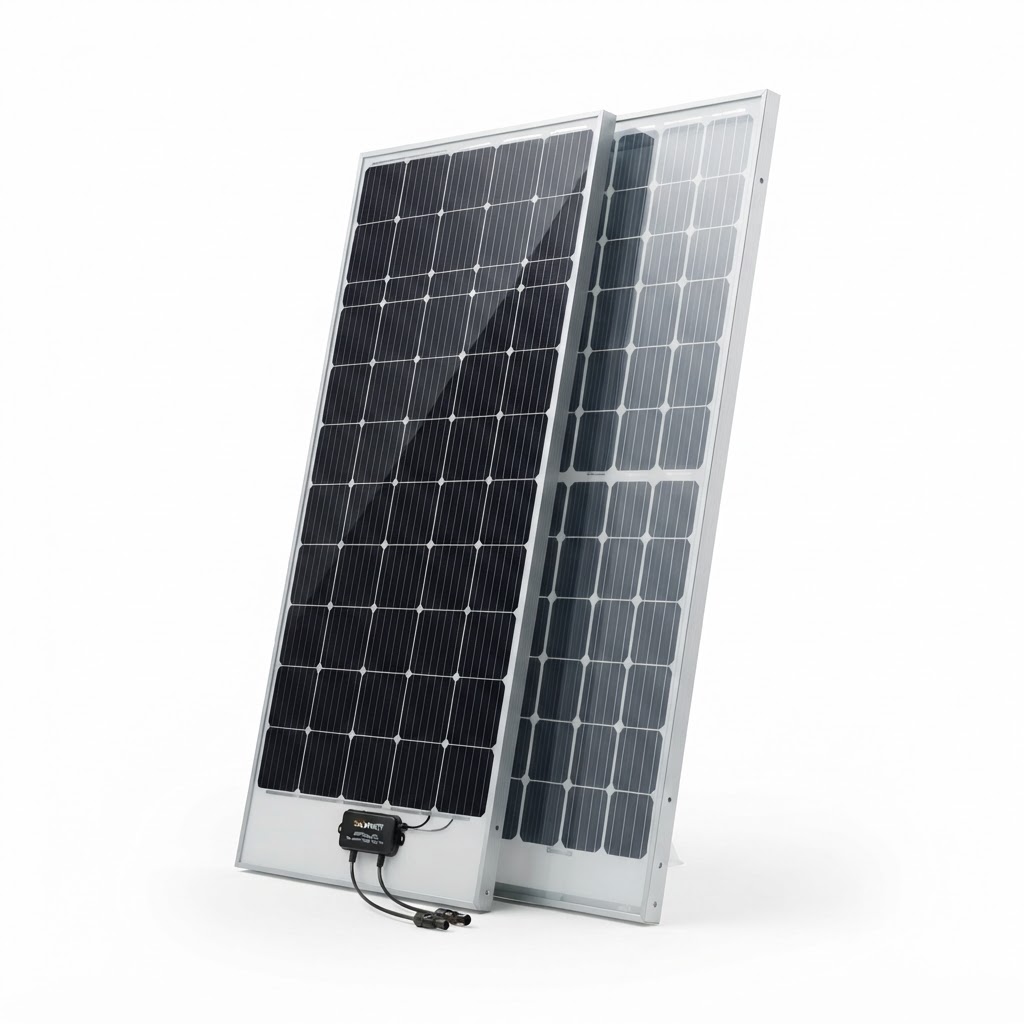 Canadian Solar 455W BiHiKu7 Bifacial Panel Canadian Solar | Best Bifacial Solar Panel | TOPConRigid | 455W | 22.5% | Check Current Price |
| 3 |  SunPower Maxeon 6 425W Panel SunPower | Best Premium Solar Panel | IBCRigid | 425W | 22.8% | Check Current Price |
Watts
400W
Cell
Monocrystalline
Eff.
22.8%
Watts
455W
Cell
TOPCon
Eff.
22.5%
Watts
425W
Cell
IBC
Eff.
22.8%
What Is a Monocrystalline Solar Panel?
Monocrystalline cells are made from silicon formed around a single-crystal structure. In practical consumer shopping, the technology is associated with the dark, relatively uniform appearance seen on many modern solar modules. More importantly, monocrystalline silicon provides a strong foundation for high-efficiency cell architectures. Terms such as PERC, TOPCon, HJT and IBC describe additional cell designs or processing approaches that can be used to improve performance beyond the simple mono-versus-poly distinction. That means two panels labeled monocrystalline can still differ substantially in efficiency, output, temperature behavior, construction and price. When comparing products, treat monocrystalline as one piece of the specification sheet. Look at rated wattage, efficiency, physical dimensions, electrical characteristics, warranty and intended use. The current products in our comparison database are predominantly monocrystalline or advanced mono-based technologies, reflecting where much of the high-efficiency consumer market has moved.
What Is a Polycrystalline Solar Panel?
Polycrystalline cells are produced from silicon containing multiple crystal structures rather than a single continuous crystal. They are often recognizable by a bluer, more varied appearance, particularly on older modules. Historically, polycrystalline panels were attractive because manufacturing could be less resource-intensive and the products often occupied a value-oriented part of the market. Their typical efficiency was lower than comparable monocrystalline designs, so more surface area could be needed to reach the same rated system output. That does not mean an existing polycrystalline array is suddenly useless. A functioning system can continue producing energy for years, and replacing working equipment purely because newer technology exists may not make economic sense. For a new purchase where roof or rack space is constrained, however, modern monocrystalline products usually provide a broader selection of high-efficiency options.
Efficiency and Space: Where the Difference Matters
Efficiency becomes particularly important when the available mounting area is fixed. If you have only a certain number of square feet on an RV roof, van, house or small ground rack, a higher-efficiency panel can fit more rated generating capacity into that area. This is one reason monocrystalline products are prominent in space-constrained applications. But do not confuse efficiency with total wattage. A physically larger, lower-efficiency panel can still have a higher wattage rating than a smaller high-efficiency panel. Compare both dimensions and output. Modern products in our database include monocrystalline panels with listed efficiencies above 22%, but those figures are manufacturer specifications rather than guarantees of field output. Temperature, shade, orientation, dirt and electrical losses all affect real-world production.
PERC, TOPCon and IBC Matter Too
A modern buyer will often learn more from the full cell technology description than from the word monocrystalline alone. PERC designs add passivation features intended to improve how the cell handles light and electron recombination. TOPCon is another advanced silicon architecture used in newer high-efficiency modules, including some bifacial products. IBC, or interdigitated back contact, moves electrical contacts away from the light-facing front surface, helping reduce front-side obstruction. These technologies are not interchangeable labels, and performance varies by implementation. The key shopping lesson is that 'mono' is now a broad family rather than the end of the comparison. For example, our current direct-linked catalog includes conventional monocrystalline products as well as a TOPCon bifacial module and an IBC premium panel. Compare the complete specification rather than assuming all mono panels perform the same.
Which Type Is Better for RVs, Vans and Portable Systems?
For mobile installations, weight, dimensions and mounting style can outweigh the traditional mono-versus-poly debate. Flexible and portable panels in today's market frequently use monocrystalline cells because higher efficiency is valuable when surface area must stay manageable. A rigid RV panel also needs to fit around roof vents and other equipment. For portable power, folded dimensions and connector compatibility can matter more than the underlying crystal category. If you are outfitting an RV or van from scratch, start by measuring usable space and estimating energy needs. Then compare modern products that physically fit the installation. The site's calculator and use-case guides can help narrow the required wattage before you choose a particular panel technology.
Which Should You Buy Today?
For most new space-conscious purchases, monocrystalline is the practical starting point because it is widely represented among current high-efficiency products. But the best solar panel is still the one that fits your electrical system, physical space, energy target and budget. If you encounter a polycrystalline product at an attractive value, compare its watts, dimensions, warranty and electrical specifications against modern mono alternatives rather than rejecting it based on the label alone. Likewise, do not pay a premium for an advanced cell acronym without understanding what it provides for your installation. Check current product specifications before purchasing because manufacturers can revise models. As an Amazon Associate, we earn from qualifying purchases. When product cards appear on this guide, they should point only to direct Amazon product pages for relevant modern examples.
Frequently Asked Questions
Are monocrystalline solar panels more efficient than polycrystalline panels?
Generally, modern monocrystalline panels achieve higher efficiencies, but individual products vary. Compare the listed efficiency and dimensions of the actual panels you are considering.
Do polycrystalline solar panels still work well?
Yes. Existing polycrystalline panels can continue producing useful energy. The main disadvantage for new space-constrained installations is typically lower power density compared with many modern mono options.
Is TOPCon monocrystalline?
TOPCon commonly uses monocrystalline silicon wafers with an advanced passivated-contact cell architecture. It is a more specific technology description than simply saying monocrystalline.
What is IBC solar technology?
IBC means interdigitated back contact. Electrical contacts are placed on the back of the cell, reducing front-side obstruction and enabling high-efficiency designs.
Which solar panel type is best for an RV?
There is no universal winner. Measure usable roof area, estimate required wattage, consider rigid versus flexible mounting, and verify electrical compatibility. Modern monocrystalline options are common because efficiency helps on limited roof space.
Disclosure: As an Amazon Associate, we earn from qualifying purchases. This helps support our site at no extra cost to you.
Related Guides
Solar Panel Efficiency Explained — What the Numbers Really Mean
What is solar panel efficiency? How is it measured? What's the difference between PERC, HJT, TOPCon, and IBC panels? Explained in plain language.
Most Efficient Solar Panels Commercially Available (2026)
The most efficient solar panels commercially available in 2026. IBC, HJT, TOPCon, and PERC cell efficiency compared. Real-world efficiency rankings.