Solar Panel Efficiency Explained: What the Percentage Actually Tells You
Solar panel efficiency is one of the most visible numbers on a specification sheet, yet it is also one of the easiest to misunderstand. Efficiency describes how effectively a panel converts incoming solar energy into electrical output under specified test conditions. It does not, by itself, tell you which panel is best for your home, RV, van, or portable setup.
Quick Answer
A higher efficiency percentage generally means a panel can produce more rated power from a given surface area under standardized conditions. It matters most when installation space is limited. Wattage, dimensions, cost, electrical compatibility, temperature behavior, shading, mounting, and the rest of the system still matter when choosing a panel.
Recommended Products
Based on listed specifications. Prices and availability change — check Amazon for current details.
Disclosure: As an Amazon Associate, we earn from qualifying purchases. This helps support our site at no extra cost to you.
Prices and availability change often. Use the Amazon button to check the current price and product details for each panel.
| # | Product | Best For | Cell Type | Watts | Efficiency | Price |
|---|---|---|---|---|---|---|
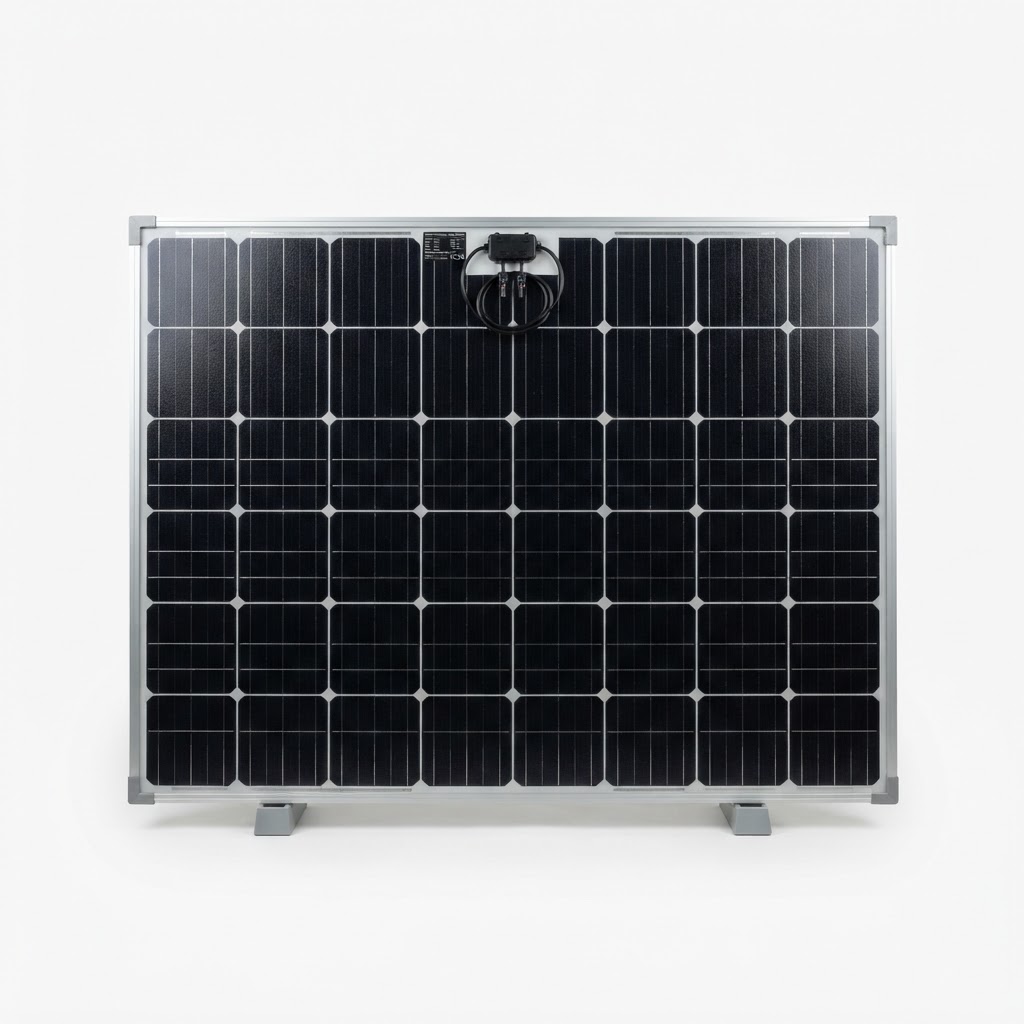
| 1 | Best Overall High-Efficiency | MonocrystallineRigid | 400W | 22.8% | Check Current Price | |
| 2 | 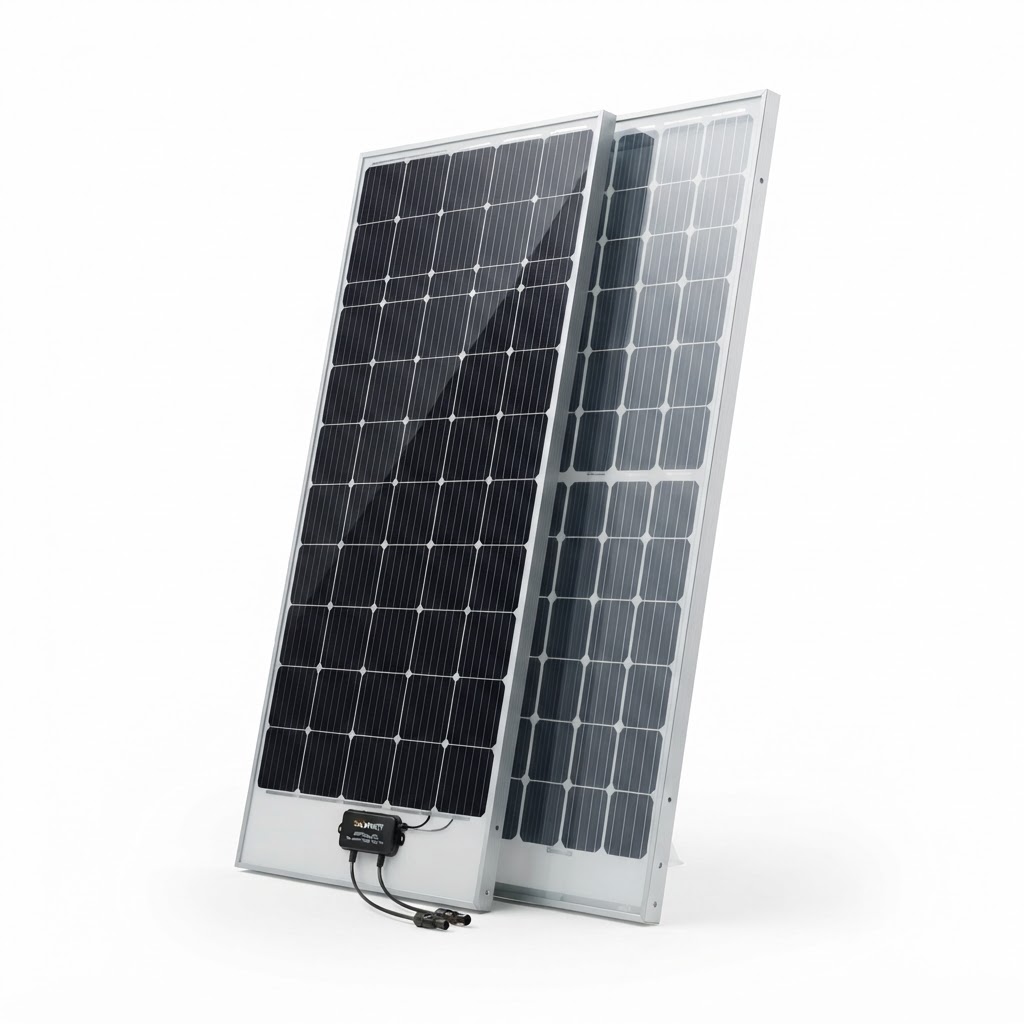 Canadian Solar 455W BiHiKu7 Bifacial Panel Canadian Solar | Best Bifacial Solar Panel | TOPConRigid | 455W | 22.5% | Check Current Price |
| 3 |  SunPower Maxeon 6 425W Panel SunPower | Best Premium Solar Panel | IBCRigid | 425W | 22.8% | Check Current Price |
Watts
400W
Cell
Monocrystalline
Eff.
22.8%
Watts
455W
Cell
TOPCon
Eff.
22.5%
Watts
425W
Cell
IBC
Eff.
22.8%
What Solar Panel Efficiency Percentage Means
Panel efficiency expresses the relationship between incoming solar energy and the electrical power the module can produce under standardized conditions. In practical shopping terms, higher efficiency allows manufacturers to package more rated watts into a given panel area. That is why efficiency becomes particularly valuable when roof or rack space is scarce. It does not mean a 23% efficient panel will deliver 23% of its rated wattage, nor does it mean the panel produces its nameplate rating all day. Real output changes with sunlight intensity, angle, temperature, shading, dirt, wiring losses, charge-controller behavior, inverter losses, and other conditions. Treat efficiency as a space-utilization metric within a larger set of specifications rather than a standalone score for overall quality.
Efficiency vs Wattage: They Are Not the Same Thing
Wattage is a panel's rated power under specified conditions. Efficiency describes how effectively the panel uses its surface area to reach that output. A physically larger panel can have a higher wattage rating than a smaller panel even if its efficiency percentage is lower. This distinction matters when comparing products for different applications. A large roof may have enough area that moderate-efficiency modules can still meet the desired array size. A van, RV, boat, or small roof may benefit more from high-efficiency modules because every square foot is contested by vents, racks, skylights, and other equipment. Compare watts, dimensions, and efficiency together. That trio gives a clearer picture of how much rated capacity can fit into the available space.
When Paying Attention to High Efficiency Makes Sense
Efficiency deserves extra weight when usable installation area is the bottleneck. If two panels fit the same general footprint but one provides meaningfully more rated output while satisfying the same electrical and structural requirements, the higher-efficiency option can help maximize capacity. It can also be useful on mobile installations where roof area is small. But efficiency should not override system compatibility. Voltage, current, panel dimensions, weight, mounting method, controller limits, and budget still determine whether a product belongs in the system. For portable panels, packed size and setup convenience can matter more than squeezing the last fraction of efficiency from the cells. Define the constraint first, then decide how much the efficiency percentage should influence the purchase.
Examples From Direct-Linked High-Efficiency Products
Our product catalog provides several direct-linked examples for comparison. Stored specifications list the SunPower Maxeon 6 425W Panel at 22.8% claimed efficiency, the Renogy 400W Monocrystalline Solar Panel at 22.8%, and the Canadian Solar 455W BiHiKu7 Bifacial Panel at 22.5%. These are manufacturer or listing specifications stored by the site, not independent test results, and current specifications should be checked before purchasing. Notice that similar efficiency percentages can accompany different wattages and technologies. That is exactly why efficiency should be read alongside physical size, rated output, cell architecture, installation requirements, and electrical compatibility. Use the linked product pages to verify current details on Amazon and with the manufacturer.
Cell Technology and Efficiency
Cell architecture influences how manufacturers pursue higher efficiency. Technologies you may encounter include monocrystalline designs, IBC, TOPCon, HJT, and PERC. The technology name alone should not determine a purchase. Different implementations can produce different specifications, and a complete module includes more than its cell architecture. For shoppers, the useful approach is to compare the actual module specifications and installation fit rather than assuming one acronym automatically wins. High-efficiency technology is especially compelling when it translates into useful rated output within the exact dimensions available to you. When space is plentiful, other factors can take a larger role in the decision.
How to Compare Efficiency Without Getting Tricked by One Number
Start by measuring the usable installation area. Then shortlist panels that physically fit and are electrically compatible with the rest of the system. Compare rated wattage and efficiency among those candidates. Look at warranty terms and current manufacturer documentation, and consider how shading or mounting conditions affect the site. For mobile and portable systems, add weight and storage constraints. This order of operations prevents an impressive efficiency percentage from pulling attention away from a panel that simply does not fit the application. Specifications and product listings can change, so verify current details before buying rather than relying on an old comparison table.
Frequently Asked Questions
Is a higher-efficiency solar panel always better?
No. Higher efficiency can be valuable when space is limited, but wattage, dimensions, electrical compatibility, mounting, weight, warranty, and system design also matter.
What does 22% solar panel efficiency mean?
It describes the module's conversion efficiency under specified test conditions. It should not be interpreted as a guarantee of real-world energy production.
Does higher efficiency mean more watts?
Not necessarily by itself. Panel area also matters. Compare efficiency, dimensions, and rated wattage together.
Why does solar panel efficiency matter for RVs and vans?
Mobile roofs have limited usable area and competing equipment, so fitting more rated power into the available surface can be valuable.
Should I choose a panel based only on efficiency?
No. First confirm physical fit and electrical compatibility, then use efficiency as one of several comparison factors.
Disclosure: As an Amazon Associate, we earn from qualifying purchases. This helps support our site at no extra cost to you.