EcoFlow RIVER 2 Pro Solar Input Limits: Voltage, Current & Panel Matching
Choosing a solar panel for EcoFlow RIVER 2 Pro starts with the station's electrical limits, not with a brand name or wattage headline. EcoFlow currently lists the RIVER 2 Pro solar input at 11–50V, 13A, and 220W maximum. This guide explains how to compare those limits with a panel's Voc, Vmp, Isc, Imp, wiring method, and physical setup so you can evaluate compatibility without guessing.

Quick Answer
EcoFlow currently specifies 11–50V, 13A, and 220W maximum solar input for RIVER 2 Pro. Check a candidate panel's Voc, Vmp, Isc, and Imp, then calculate the combined values if using multiple panels. Do not exceed the station's voltage or current limits, and verify the current EcoFlow manual and panel documentation before connecting an array.
Recommended Products
Based on listed specifications. Prices and availability change — check Amazon for current details.
Disclosure: As an Amazon Associate, we earn from qualifying purchases. This helps support our site at no extra cost to you.
WATTS
400W
EFF.
22.6%
TYPE
Portable
CELL
Monocrystalline
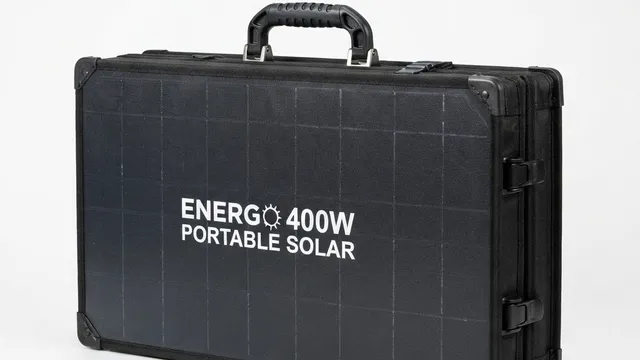
EcoFlow 400W Portable Solar Panel
by EcoFlow
Listed as a 400W portable monocrystalline panel. Verify the current unfolded size, weight, weather rating, connector arrangement, and power-station input compatibility before purchase.
Who this is for
- 400W-class portable nameplate rating
- Portable rather than permanent-mount format
- Relevant to large power-station charging setups
Avoid if
You need a lightweight backpacking panel or your power station cannot accept the proposed input
Start with the official RIVER 2 Pro solar input limits
EcoFlow lists the RIVER 2 Pro solar charging input at 11–50V, 13A, with a 220W maximum. Those three numbers matter more than a panel's marketing label. A panel can be rated at 200W or 220W and still be a poor match if its voltage or current falls outside the station's permitted input range. Before connecting anything, read the panel label or datasheet for open-circuit voltage (Voc), voltage at maximum power (Vmp), short-circuit current (Isc), and current at maximum power (Imp). Then compare those figures with the station's published limits. Do not treat wattage alone as proof of compatibility. The goal is to keep the array inside the electrical window under the conditions in which you will actually use it, while following EcoFlow's current manual and cable guidance for the exact unit.
Why Voc is the first number to check
Open-circuit voltage is the highest voltage a solar module produces when it is illuminated but not supplying a load. It deserves special attention because panel voltage can rise in cold conditions. If you connect multiple panels in series, their voltages add. That means an array that appears acceptable from a simple warm-weather operating-voltage calculation can approach the RIVER 2 Pro's 50V ceiling when temperatures fall. Use the panel manufacturer's voltage temperature coefficient and the coldest temperature you reasonably expect when evaluating a series arrangement. Do not rely on an arbitrary safety percentage or on the panel's wattage rating. If the corrected array Voc can exceed the station's published maximum, that wiring arrangement should not be used. For a permanent or high-value setup, manufacturer guidance is more reliable than a generic internet rule.
Current matters too: check Isc and Imp
EcoFlow also lists a 13A solar-input current limit for RIVER 2 Pro. Parallel wiring can increase array current even when voltage remains near the level of one panel, so current becomes especially important when combining modules. Check both Imp and Isc on the panel datasheet and compare the proposed array with the station's published current limit and the panel manufacturer's wiring guidance. Avoid assuming that a physically compatible connector makes a parallel array electrically acceptable. Series and parallel wiring solve different design problems: series raises voltage, while parallel raises current. If you are not sure how a proposed combination changes the array values, calculate it before connecting the cables. The safer approach is to work from the electrical specifications first and choose the physical cable or adapter only after the array itself is proven to fit the input window.
What the 220W maximum actually means
The 220W figure is the RIVER 2 Pro's published maximum solar-input power, not a promise that every compatible array will deliver 220W throughout the day. Outdoor solar production changes with irradiance, panel angle, temperature, cloud cover, shading, soiling, cable losses, and the station's own charging behavior. A panel with a nameplate rating below 220W can still be a practical match if its voltage and current are appropriate and its physical size suits the intended use. A higher-rated panel should not be chosen simply to chase the 220W ceiling, especially when the catalog does not provide enough electrical data to verify compatibility. The useful comparison is whether the exact panel's published Voc, Vmp, Isc, and Imp remain within the station's limits and whether its size, weight, mounting style, and portability fit your use case.
Series vs parallel with RIVER 2 Pro
When matched panels are wired in series, voltage adds while current remains approximately at the current of one panel. In parallel, voltage remains near the level of one panel while branch currents add. Neither method is automatically best for RIVER 2 Pro. A series string can run into the 50V maximum, especially after cold-weather Voc correction. A parallel arrangement can run into the 13A current limit. If you are combining modules, calculate the array values using the exact panel specifications and follow EcoFlow's current charging guidance. Mixed panels can complicate the result because modules with different electrical characteristics may not operate at their individual optimum points. If you want a deeper wiring explanation, use the site's series-vs-parallel guide before buying branch connectors or building a multi-panel array.
A practical panel-matching checklist
Use a short compatibility checklist before buying or connecting a solar panel to RIVER 2 Pro. First, confirm the station is the RIVER 2 Pro and not the original RIVER Pro, because the two models have different solar-input limits. Second, record the candidate panel's Voc, Vmp, Isc, and Imp from current manufacturer documentation. Third, calculate the combined voltage and current if you plan to use more than one panel. Fourth, account for cold-weather Voc if a series string is involved. Fifth, confirm the cable, connector, and polarity specified for the exact station. Finally, compare physical factors such as folded size, deployed size, weight, mounting method, and storage needs. The best panel is the one that passes all of those checks, not simply the one with the largest wattage number or the word "EcoFlow" in its product title.
Frequently Asked Questions
What is the EcoFlow RIVER 2 Pro solar input limit?
EcoFlow currently lists RIVER 2 Pro solar charging input at 11–50V, 13A, and 220W maximum. Verify the current manual or product page for your exact unit before connecting an array.
Can I use a third-party solar panel with RIVER 2 Pro?
A third-party panel can be suitable when its electrical specifications and wiring remain within the station's published voltage, current, and power limits and the correct cable and polarity are used. Check Voc, Vmp, Isc, and Imp rather than relying on wattage alone.
Can I connect two panels to RIVER 2 Pro?
Potentially, but the resulting array must remain inside the 50V and 13A limits. Series wiring adds voltage; parallel wiring adds current. Calculate the combined values before connecting the array.
Is a 220W panel automatically the best match?
No. A 220W nameplate rating does not prove compatibility. Voltage, current, connector requirements, physical size, weight, and intended use all matter.
Why does cold weather matter for solar compatibility?
Solar-module open-circuit voltage can rise as cell temperature falls. That matters most for series-connected panels because string voltages add. Use the panel's temperature coefficient and manufacturer guidance when evaluating cold-weather Voc.
Sources & Editorial Method
We compare primary technical references, manufacturer documentation, and current product specifications. Amazon is used as a purchase destination, not as evidence for ratings or technical claims. Unless a page explicitly documents hands-on testing, recommendations are specification-based editorial analysis.
Disclosure: As an Amazon Associate, we earn from qualifying purchases. This helps support our site at no extra cost to you.