Solar Panel Voltage vs Wattage: What Buyers Need to Check Before Connecting a Power Station
Wattage gets most of the attention when shoppers pair a solar panel with a portable power station, but voltage is often the specification that determines whether a proposed connection is electrically acceptable. A panel can have an appealing wattage and still fall outside a power station’s solar-input limits. Understanding voltage, current and watts together makes compatibility shopping far less mysterious.
Quick Answer
Check the power station’s allowed solar-input voltage range and maximum current before focusing on panel wattage. Keep the panel or array within those electrical limits, then compare wattage to the station’s maximum solar-input power. Also verify connector and polarity requirements using the manufacturers’ current documentation.
Recommended Products
Based on listed specifications. Prices and availability change — check Amazon for current details.
Disclosure: As an Amazon Associate, we earn from qualifying purchases. This helps support our site at no extra cost to you.
Prices and availability change often. Use the Amazon button to check the current price and product details for each panel.
| # | Product | Best For | Cell Type | Watts | Efficiency | Price |
|---|---|---|---|---|---|---|
| 1 | Best Portable Solar Panel | MonocrystallinePortable | 100W | 23.7% | Check Current Price | |
| 2 | Best Solar Panel for Camping | MonocrystallineFoldable | 200W | 23.4% | Check Current Price | |
| 3 | Best for Solar Generator | MonocrystallinePortable | 400W | 22.6% | Check Current Price |
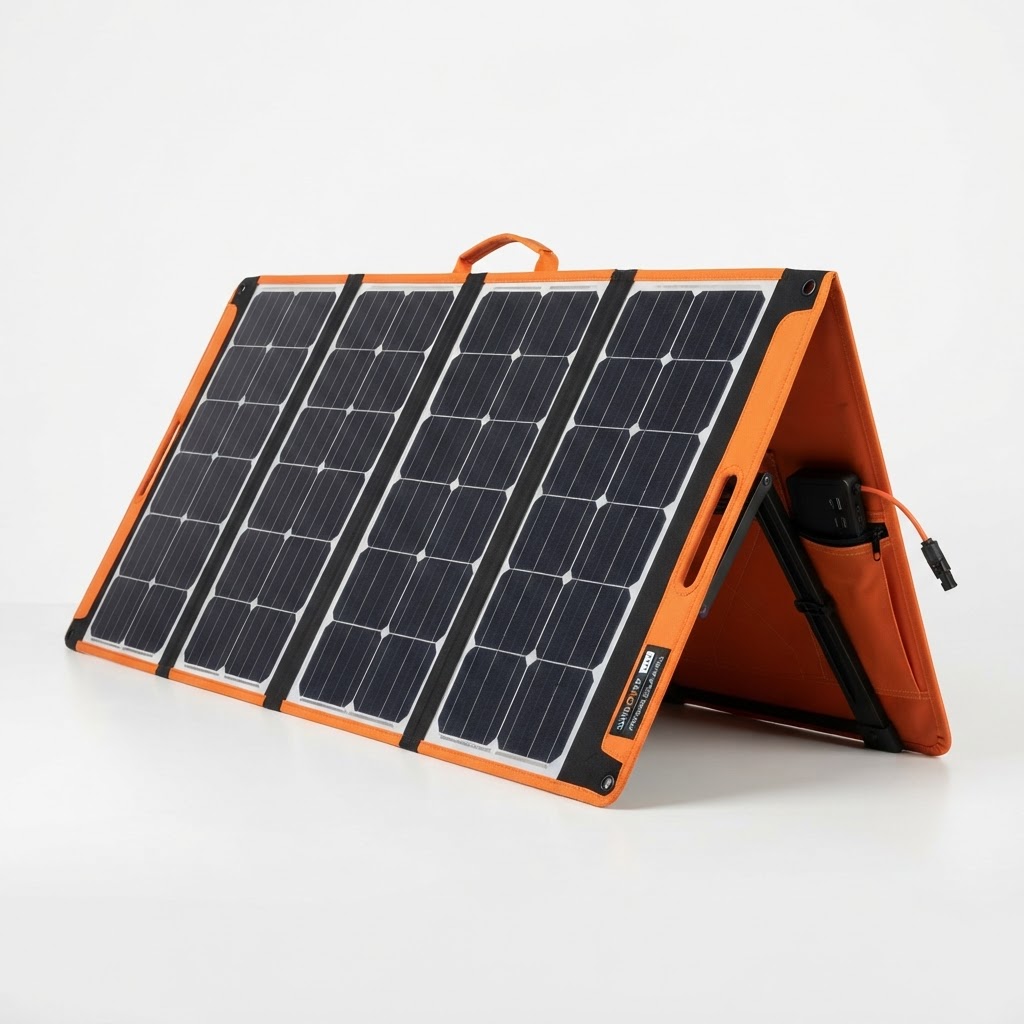
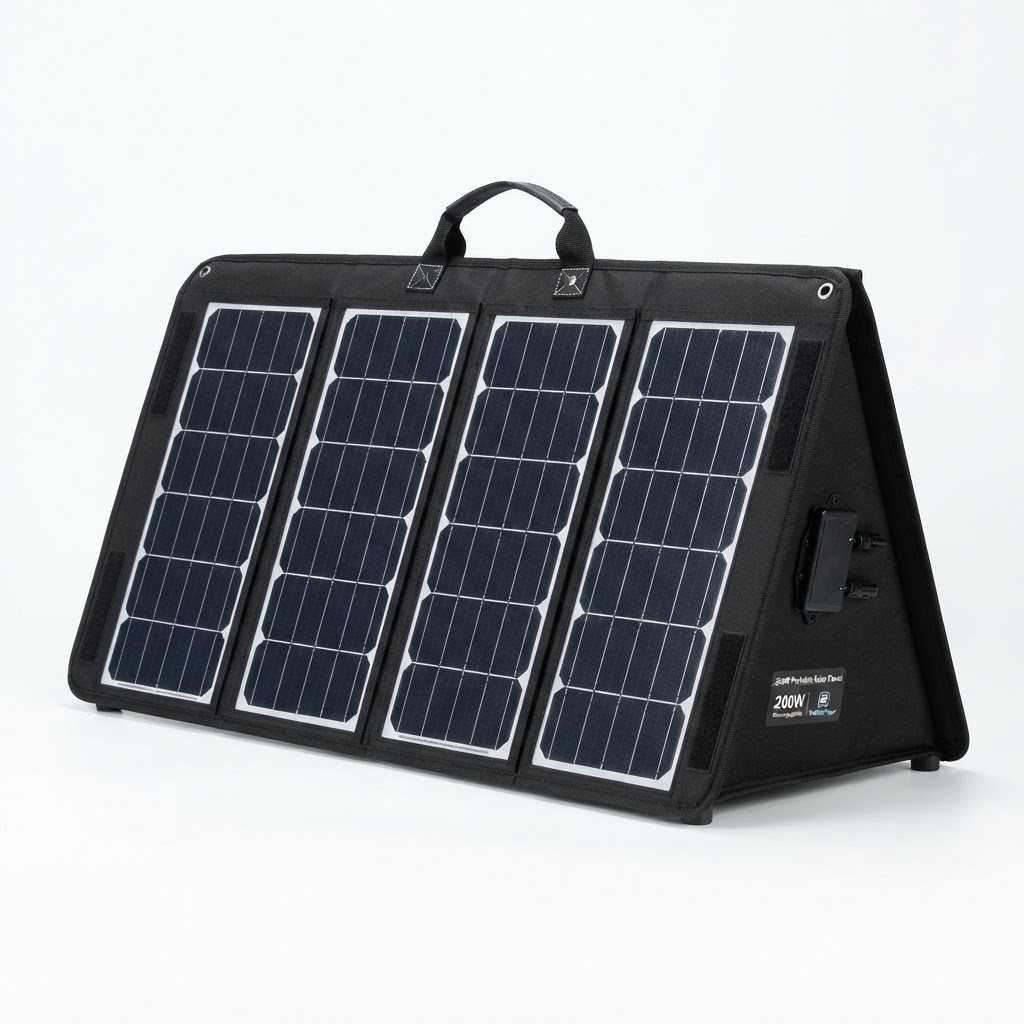
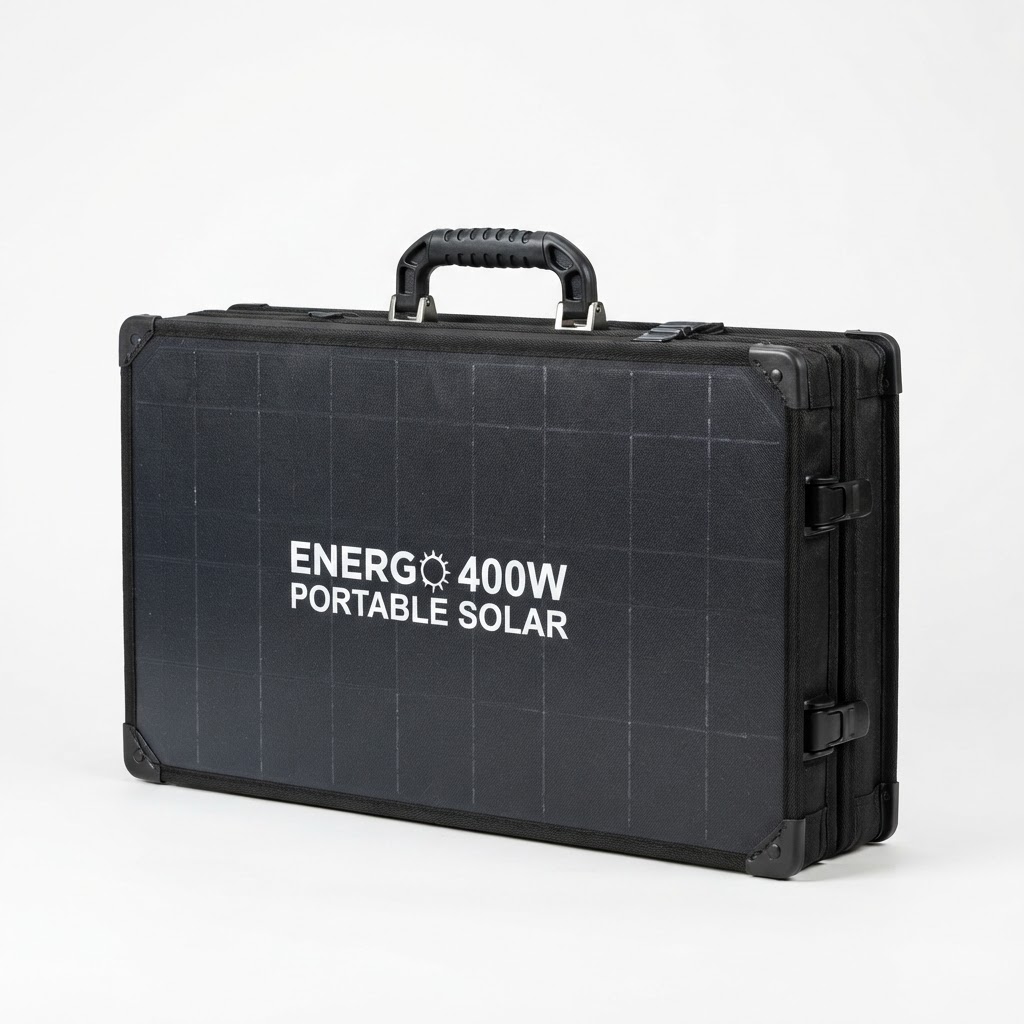
Watts
100W
Cell
Monocrystalline
Eff.
23.7%
Watts
200W
Cell
Monocrystalline
Eff.
23.4%
Watts
400W
Cell
Monocrystalline
Eff.
22.6%
Watts Tell You Power Capacity, Not the Whole Compatibility Story
A solar panel’s watt rating describes rated power under specified test conditions. It does not tell you by itself whether the panel can be connected to a particular power station. Two panels with similar wattage can have different operating voltages and currents. Portable power stations contain charge-control electronics with defined input windows, and the proposed panel or array needs to remain inside those limits. Start with the station’s solar-input specifications, then evaluate the panel.
Why Open-Circuit Voltage Deserves Attention
Solar-panel specifications commonly include open-circuit voltage, often abbreviated Voc, and a voltage at maximum power. The power station’s documentation may specify a permitted solar-input voltage range and a maximum input voltage. Array configuration can change the voltage presented to the station. Panels wired in series add voltage, so a combination that looks reasonable from a wattage perspective may exceed an input limit. Temperature can also affect panel voltage, which is one reason electrical limits should be treated conservatively and according to manufacturer instructions.
Current Limits Matter Too
Current is the other half of the electrical picture. Parallel panel configurations can increase available current while voltage behaves differently from a series configuration. A power station may limit the current it accepts even when the array could provide more. That does not make every oversized-current arrangement appropriate; the exact configuration should follow the station manufacturer’s guidance. When comparing third-party panels, record Voc, operating voltage, operating current and connector type rather than shopping from wattage alone.
What the Wattage Limit Means
After confirming voltage and current compatibility, compare the array’s rated power with the power station’s solar-input capability. A larger panel does not force the station to accept unlimited power, but that fact should not be used as permission to ignore published electrical limits. The station’s manual is the controlling source for supported input ranges and recommended configurations. Buyers who want faster solar charging should consider both the station’s input capability and realistic solar conditions instead of assuming that a higher panel wattage guarantees a proportional charging-speed increase.
Connectors, Adapters, and Polarity
Mechanical connector fit does not prove electrical compatibility. Portable solar equipment can use different connector families and adapter cables, and polarity conventions can vary. Use manufacturer-approved or appropriately specified cables and verify polarity before connecting equipment. Avoid improvised adapters when the electrical rating is uncertain. If you are pairing an EcoFlow station with a third-party panel, consult the documentation for the exact EcoFlow model because input specifications differ across product families and generations.
A Compatibility Checklist Before You Buy
Write down the power station’s permitted solar-input voltage range, maximum voltage, maximum current, maximum solar-input wattage and connector requirements. Then compare those values against the panel datasheet and any series or parallel array you intend to build. Check cable ratings and polarity as well. Direct-linked portable panels in our catalog can serve as shopping starting points, but verify the current Amazon listing and manufacturer documentation for the exact model before purchase. As an Amazon Associate, HighestEfficiencySolarCell.com may earn from qualifying purchases made through eligible links, at no additional cost to you.
Frequently Asked Questions
Is wattage the most important solar-panel spec for a power station?
No. Wattage matters, but voltage and current limits are essential to electrical compatibility.
Can I use a higher-wattage panel than my power station's solar input rating?
Follow the manufacturer’s specifications for the exact station. Do not assume oversizing is acceptable merely because the station limits its own input.
What happens to voltage when solar panels are wired in series?
Series wiring generally adds panel voltages. The resulting array must remain within the connected equipment’s published input limits.
Does the right connector mean the panel is compatible?
No. Connector fit does not verify voltage, current, polarity or wattage compatibility.
Can third-party solar panels work with EcoFlow power stations?
Some can when their electrical specifications and connectors meet the requirements of the exact EcoFlow model. Verify the current manufacturer documentation before connecting them.
Disclosure: As an Amazon Associate, we earn from qualifying purchases. This helps support our site at no extra cost to you.