Bifacial vs Monocrystalline Solar Panels — What's the Difference?
A common point of confusion: 'bifacial' and 'monocrystalline' aren't competing panel types — they describe different things. This guide clarifies the difference and helps you choose the right panel.
Quick Answer
Bifacial refers to a panel's physical design (cells on both sides); monocrystalline refers to the cell type (single-crystal silicon). Most bifacial panels use monocrystalline cells. The real comparison is bifacial vs monofacial — and the choice depends on your mounting situation and surface reflectivity.
Recommended Products
Based on listed specifications. Prices and availability change — check Amazon for current details.
Disclosure: As an Amazon Associate, we earn from qualifying purchases. This helps support our site at no extra cost to you.
Prices and availability change often. Use the Amazon button to check the current price and product details for each panel.
| # | Product | Best For | Cell Type | Watts | Efficiency | Price |
|---|---|---|---|---|---|---|
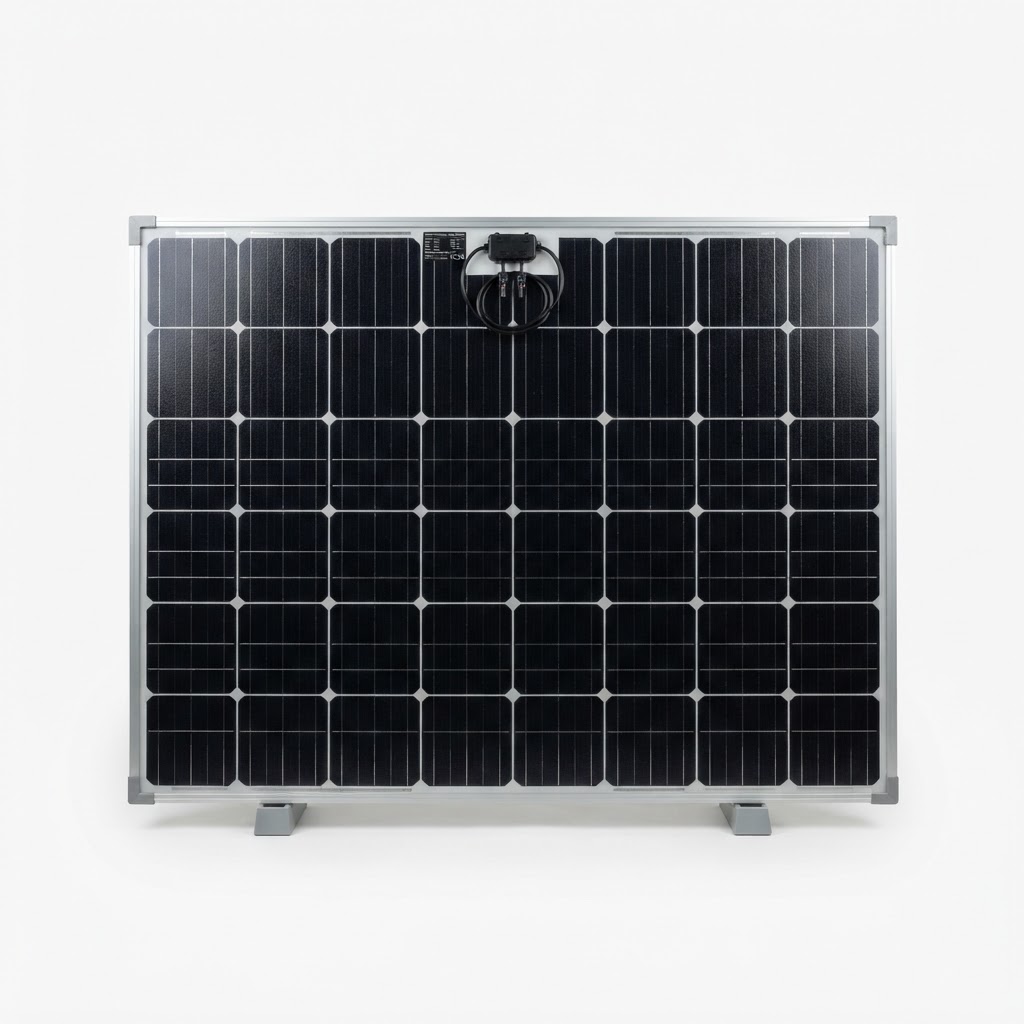
| 1 | Best Overall High-Efficiency | MonocrystallineRigid | 400W | 22.8% | Check Current Price | |
| 2 | Best Portable Solar Panel | MonocrystallinePortable | 100W | 23.7% | Check Current Price | |
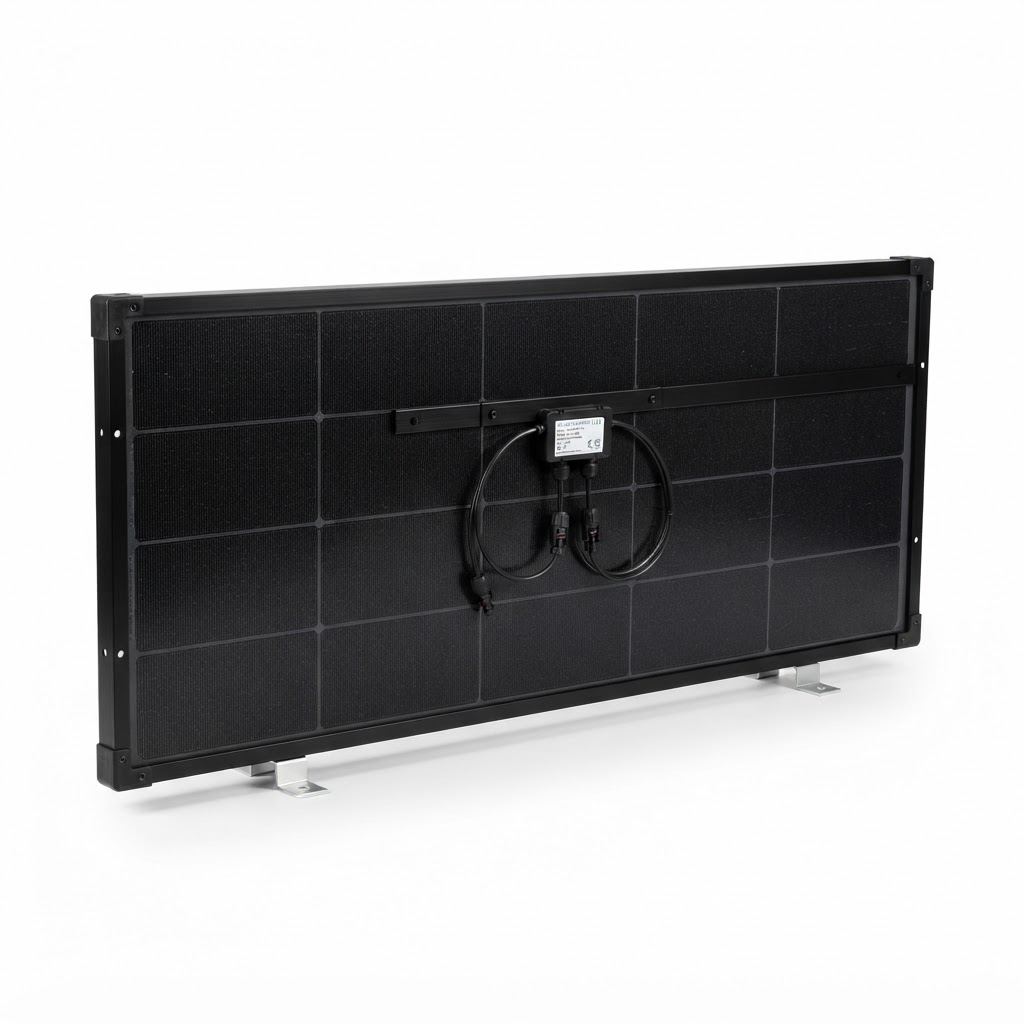
| 3 | Best Solar Panel for RV | MonocrystallineRigid | 200W | 21.6% | Check Current Price | |
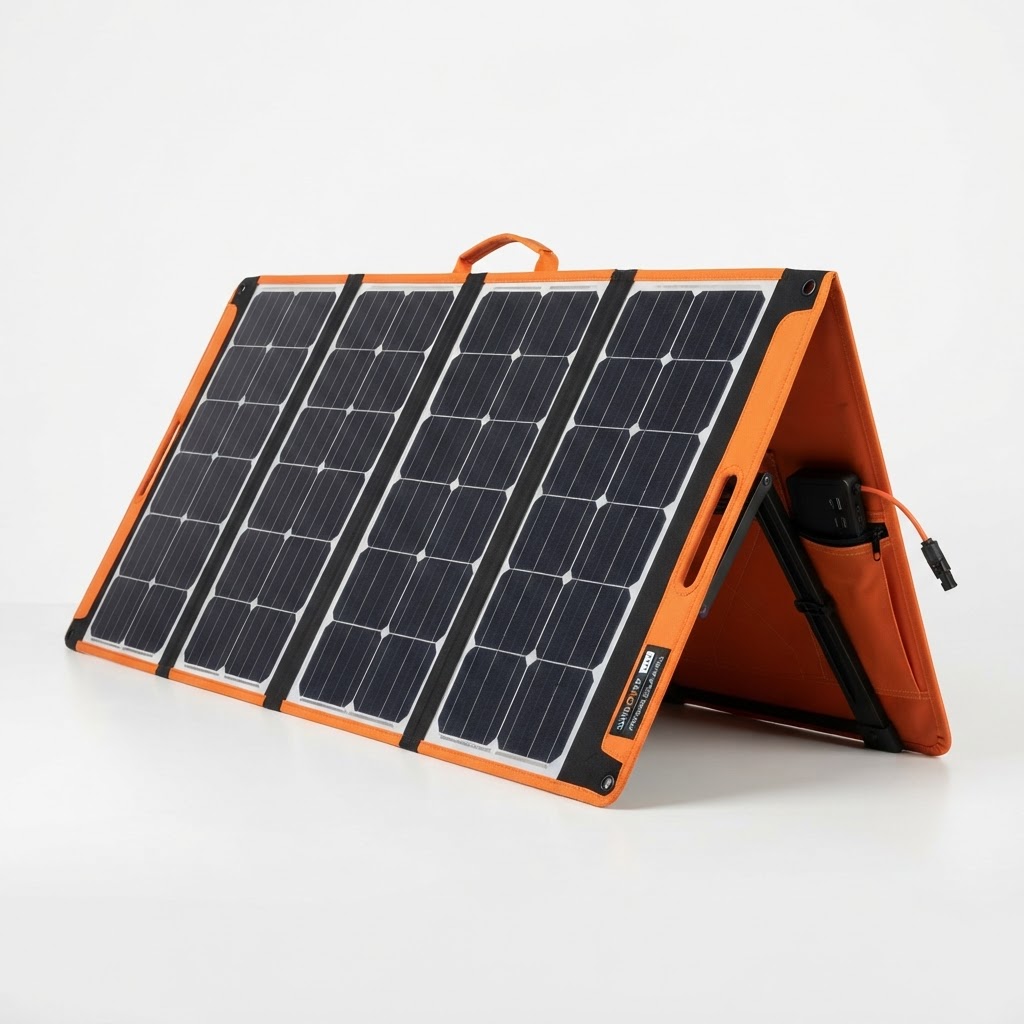
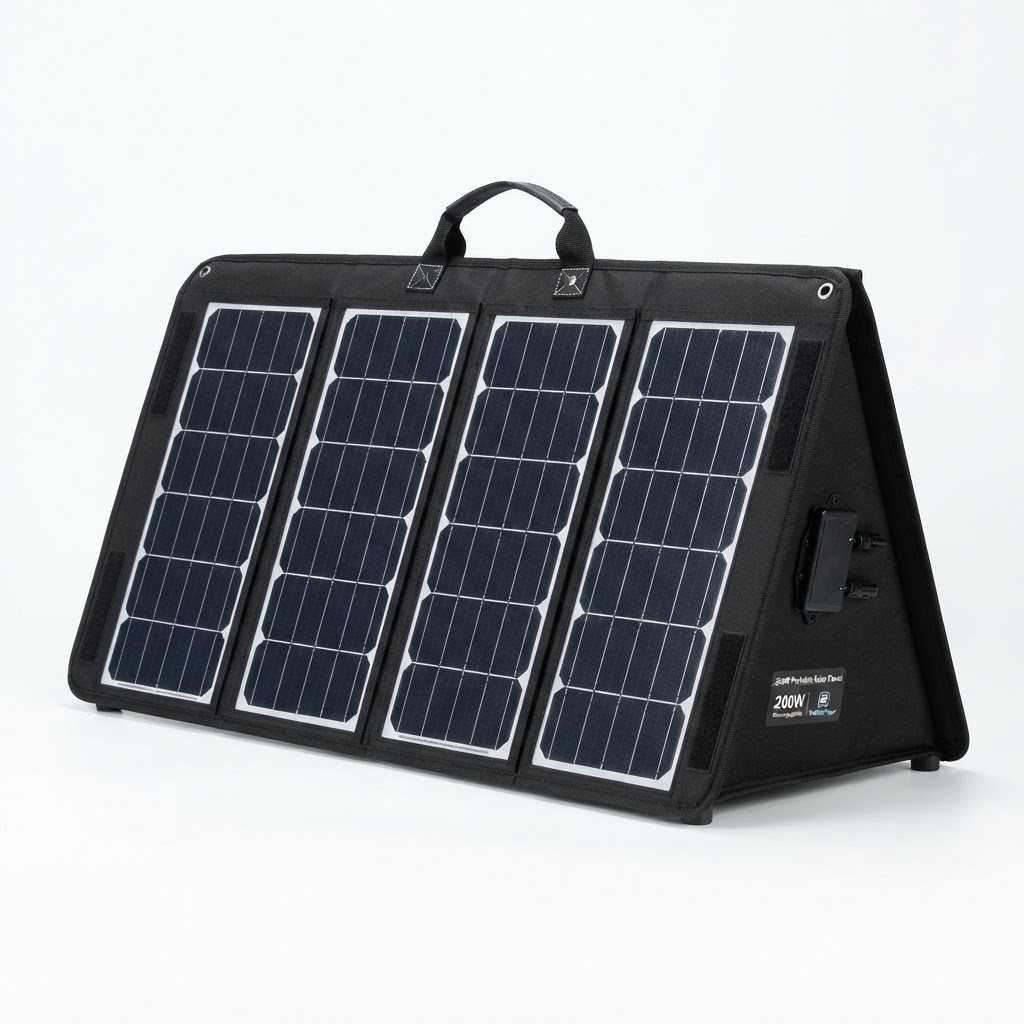
| 4 | Best Solar Panel for Camping | MonocrystallineFoldable | 200W | 23.4% | Check Current Price | |
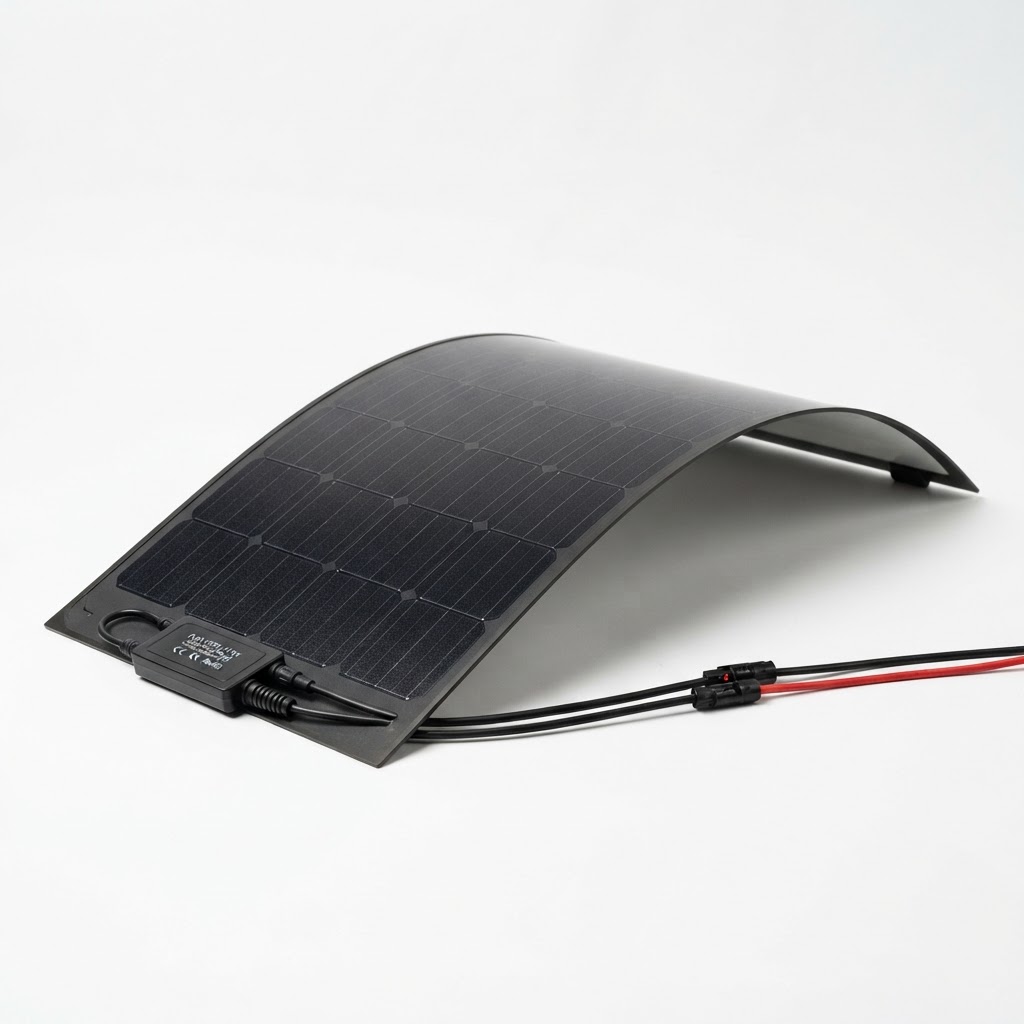
| 5 | Best Flexible Solar Panel | MonocrystallineFlexible | 175W | 22.4% | Check Current Price | |
| 6 | 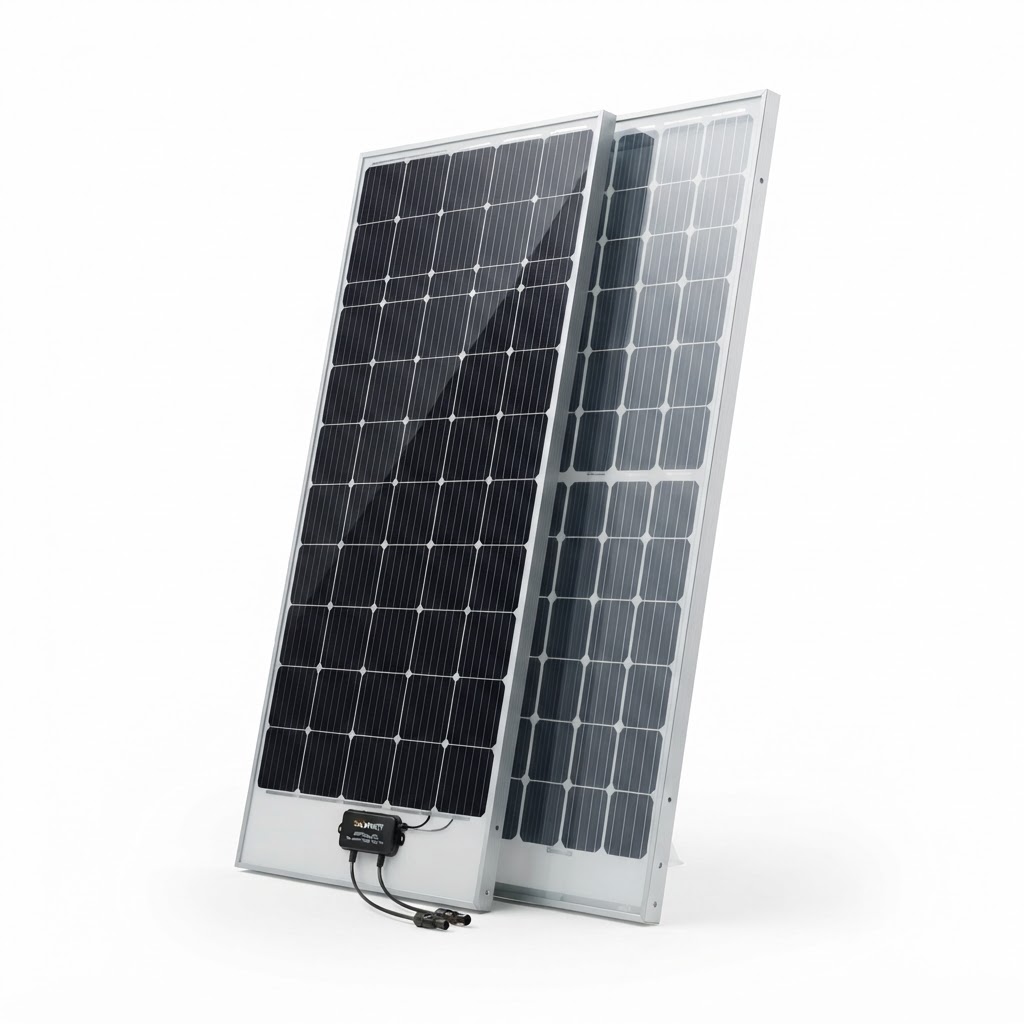 Canadian Solar 455W BiHiKu7 Bifacial Panel Canadian Solar | Best Bifacial Solar Panel | TOPConRigid | 455W | 22.5% | Check Current Price |
Watts
400W
Cell
Monocrystalline
Eff.
22.8%
Watts
100W
Cell
Monocrystalline
Eff.
23.7%
Watts
200W
Cell
Monocrystalline
Eff.
21.6%
Watts
200W
Cell
Monocrystalline
Eff.
23.4%
Watts
175W
Cell
Monocrystalline
Eff.
22.4%
Watts
455W
Cell
TOPCon
Eff.
22.5%
The terminology explained
'Monocrystalline' describes the cell technology — cells cut from a single silicon crystal, offering the highest efficiency (20-24%). 'Bifacial' describes the panel design — cells on both front and rear faces to capture reflected light. These aren't mutually exclusive: most bifacial panels use monocrystalline cells. A bifacial panel is almost always also monocrystalline. The real question is bifacial (dual-sided) vs monofacial (single-sided).
Bifacial vs monofacial — the real comparison
Monofacial panels have cells on one side only (the front). Bifacial panels have cells on both sides. Both typically use monocrystalline cells. Bifacial panels produce 5-30% more energy than monofacial panels when mounted over a reflective surface with clearance. Monofacial panels cost 5-15% less and are simpler to install. For blocked rear-face installations (RV roofs, flush residential mounts), monofacial is the better choice.
When to choose bifacial
Choose bifacial panels when: you have a ground mount, pergola, or awning installation with clearance underneath; your surface is reflective (snow, white gravel, light concrete); you're in a snowy climate; or you're installing a commercial flat-roof array with white membrane. The extra energy production justifies the premium in these scenarios.
When to choose monofacial (standard monocrystalline)
Choose standard monocrystalline monofacial panels when: mounting on an RV or van roof (rear face blocked); flush-mounting on a residential roof; installing over dark or non-reflective surfaces; or when budget is the primary concern. Monofacial panels deliver the same front-face efficiency at a lower cost when bifacial gain isn't achievable.
Frequently Asked Questions
Are bifacial panels better than monocrystalline?
They're not directly comparable — most bifacial panels use monocrystalline cells. The real comparison is bifacial vs monofacial. Bifacial produces 5-30% more energy over reflective surfaces; monofacial costs less and is better for installations where the rear face is blocked.
Can bifacial panels be used on an RV roof?
Technically yes, but they won't deliver bifacial gain because the rear face is blocked against the roof. For RV roofs, standard monofacial monocrystalline panels are the better and cheaper choice.
Do bifacial panels use monocrystalline cells?
Yes — most bifacial panels use monocrystalline cells because they're the most efficient. Bifacial refers to the dual-sided design; monocrystalline refers to the cell type. They're complementary, not competing technologies.
Disclosure: As an Amazon Associate, we earn from qualifying purchases. This helps support our site at no extra cost to you.
Related Guides
Best Bifacial Solar Panels (2026) — Dual-Sided Picks
Best bifacial solar panels for ground mounts, pergolas, and reflective surfaces. How bifacial panels work and which models deliver the most extra yield.
Are Bifacial Solar Panels Worth It? (2026 Honest Review)
Are bifacial solar panels worth the extra cost? Real-world bifacial gain explained, best use cases, and whether you should upgrade.