Portable Solar Panels for Emergency Backup: How to Choose the Right Size for a Power Station
A portable solar panel can extend the usefulness of a battery power station during an outage, but only when the panel and power station are electrically compatible. The smartest purchase starts with the power station’s solar-input specifications, then works backward to panel voltage, current, connectors, wattage and how much panel you can realistically deploy.
Quick Answer
Choose an emergency-backup solar panel by checking the power station’s accepted solar voltage range, maximum input current, maximum solar wattage and connector requirements. Then choose a portable panel that stays inside those limits and is practical to store and deploy.
Recommended Products
Based on listed specifications. Prices and availability change — check Amazon for current details.
Disclosure: As an Amazon Associate, we earn from qualifying purchases. This helps support our site at no extra cost to you.
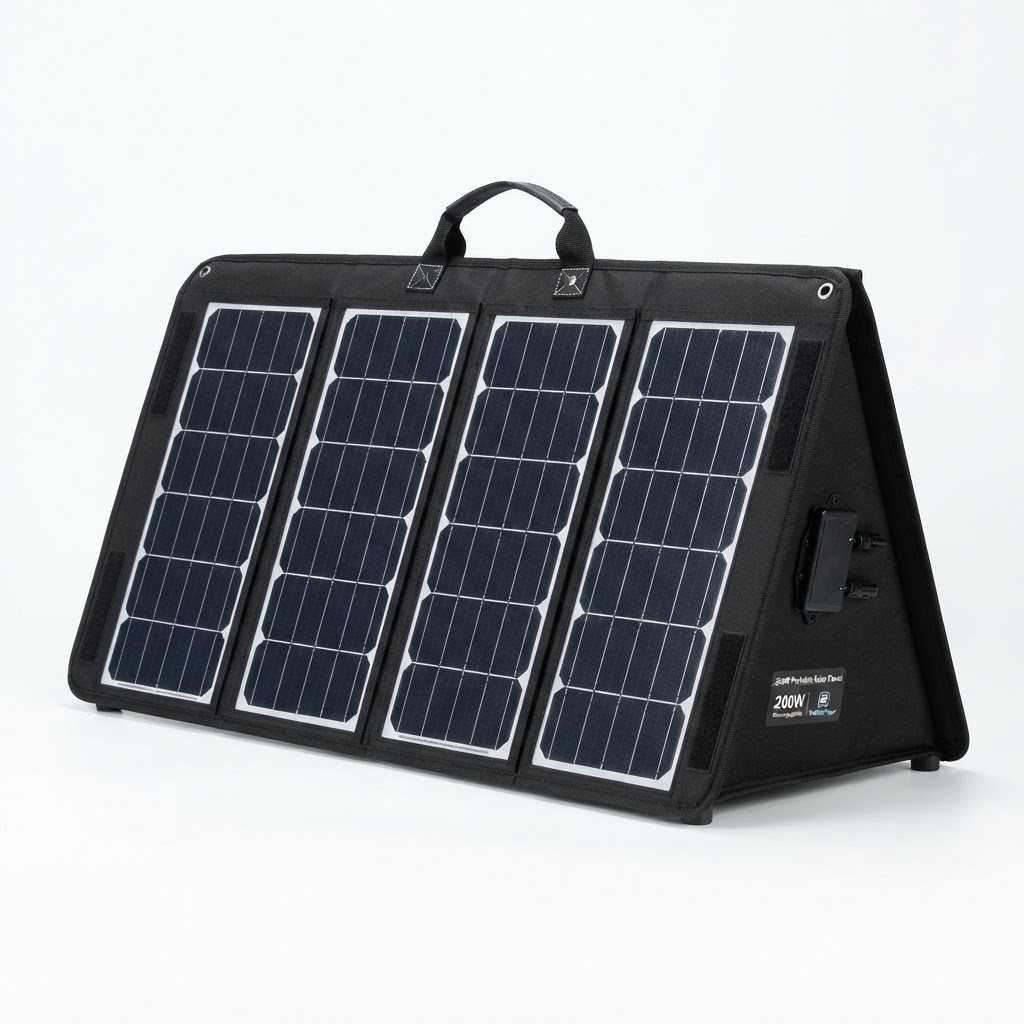
WATTS
200W
EFF.
23.4%
TYPE
Foldable
CELL
Monocrystalline
BougeRV 200W Portable Camping Panel
by BougeRV
High-efficiency monocrystalline cells deliver strong output in a foldable design
Who this is for
- High wattage in a foldable package
- Multiple connector options
- Adjustable kickstand included
Avoid if
You're backpacking or need ultra-light gear
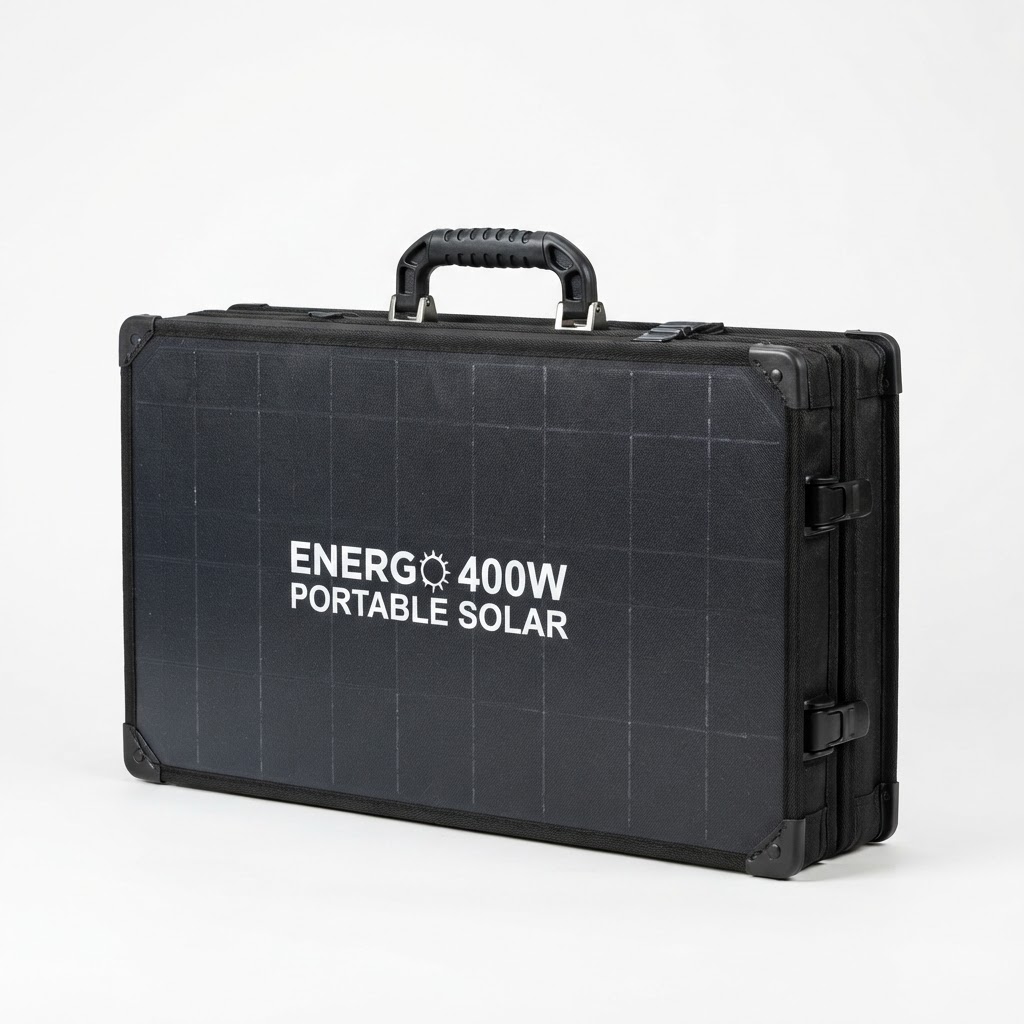
WATTS
400W
EFF.
22.6%
TYPE
Portable
CELL
Monocrystalline
EcoFlow 400W Portable Solar Panel
by EcoFlow
High-wattage portable design optimized for rapid solar generator recharging
Who this is for
- Massive 400W portable output
- Fast charging for EcoFlow generators
- Self-supporting kickstand design
Avoid if
You need a lightweight, backpack-friendly panel or are on a tight budget
Read the Power Station’s Solar Input Label First
Before comparing panels, find the power station’s solar or DC input specifications. Record the accepted voltage range, maximum current and maximum solar input wattage. These limits define the electrical envelope for the panel or array. A panel with a compatible connector can still be electrically unsuitable, so connector shape alone is not enough.
100W, 200W, or 400W: Think in Tradeoffs
Lower-wattage portable panels are generally easier to position and store, while higher-wattage panels can offer more rated generating capacity at the cost of greater deployed area and bulk. The right choice depends on the power station’s input ceiling, your storage space and which loads you intend to support. Rated panel wattage is a specification, not a promise of constant real-world output.
Voltage, Current, and Series/Parallel Wiring
If you combine panels, series wiring increases array voltage and parallel wiring increases array current. Both must remain within the receiving device’s limits. Open-circuit voltage is particularly important when checking maximum input voltage. If you are unsure about an array configuration, use the power-station and panel manufacturers’ current wiring guidance rather than improvising adapters.
Plan for Deployment During an Outage
Emergency equipment should be simple enough to use when conditions are inconvenient. Consider where the panel will be stored, how it unfolds, cable reach, where it can receive direct sun and how you will keep cables away from traffic. A panel that technically fits your power station but is awkward to deploy may be a poor emergency choice.
Build the Backup Around Essential Loads
Decide which devices matter during an outage, then estimate their watt-hours. Communications gear, lights and small electronics have very different energy demands from refrigeration or heating equipment. The panel replenishes the battery; it does not replace the power station’s battery capacity or inverter rating. Treat the panel, battery and loads as one energy budget.
What to Check Before Clicking Buy
Confirm the panel’s rated voltage, open-circuit voltage, current, wattage, connector type, dimensions and the adapters actually required by your power station. Recheck the power station’s input limits in its current manual. As an Amazon Associate, HighestEfficiencySolarCell.com earns from qualifying purchases. Product specifications and compatibility should be verified with the manufacturer and the current product listing before purchase.
Frequently Asked Questions
Can any portable solar panel charge any power station?
No. Voltage, current, connector type and the power station’s input limits must be compatible.
Is a 400W portable panel always faster than a 200W panel?
Not necessarily. The power station may limit solar input, and actual solar production varies with conditions and panel positioning.
Can I connect two portable solar panels together?
Sometimes, but the resulting series or parallel voltage and current must remain within the receiving device’s specifications.
Should emergency solar be permanently mounted?
Portable panels are useful when you want storage and repositioning flexibility. Permanent rooftop solar may be more convenient for systems designed around fixed charging.
What connector do I need for an EcoFlow power station?
Connector requirements vary by model and generation. Check the exact power station manual and the panel cable before purchasing an adapter.
Disclosure: As an Amazon Associate, we earn from qualifying purchases. This helps support our site at no extra cost to you.