Best Solar Panels for Tiny Homes: How to Choose for Limited Roof Space and Off-Grid Power
Tiny homes turn every square foot into valuable real estate, and the roof is no exception. The best solar panel choice is not simply the module with the largest wattage number. A useful tiny-home system starts with your daily energy use, available unshaded mounting area, battery voltage, charge-controller limits and whether the home stays put or travels.
Quick Answer
For a tiny home with limited roof area, prioritize usable watts per available roof area, electrical compatibility and a layout that avoids vents and shade. High-efficiency rigid panels often make sense for permanent roofs, while portable panels can add deployable capacity when roof space is tight.
Recommended Products
Based on listed specifications. Prices and availability change — check Amazon for current details.
Disclosure: As an Amazon Associate, we earn from qualifying purchases. This helps support our site at no extra cost to you.
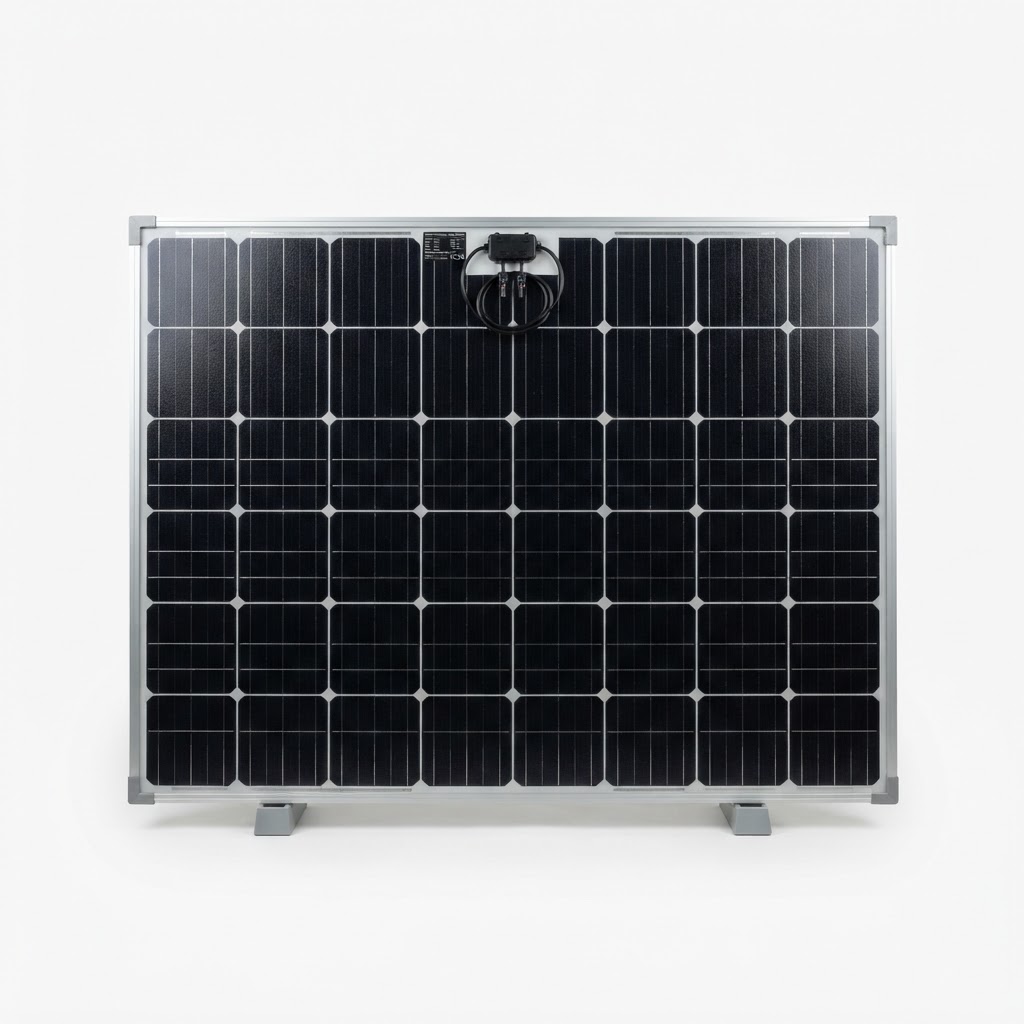
WATTS
400W
EFF.
22.8%
TYPE
Rigid
CELL
Monocrystalline
Renogy 400W Monocrystalline Solar Panel
by Renogy
Uses advanced PERC monocrystalline cells for top-tier consumer efficiency
Who this is for
- High 22.8% efficiency rating
- Excellent build quality and durability
- 25-year output warranty
Avoid if
You need a portable or lightweight solution
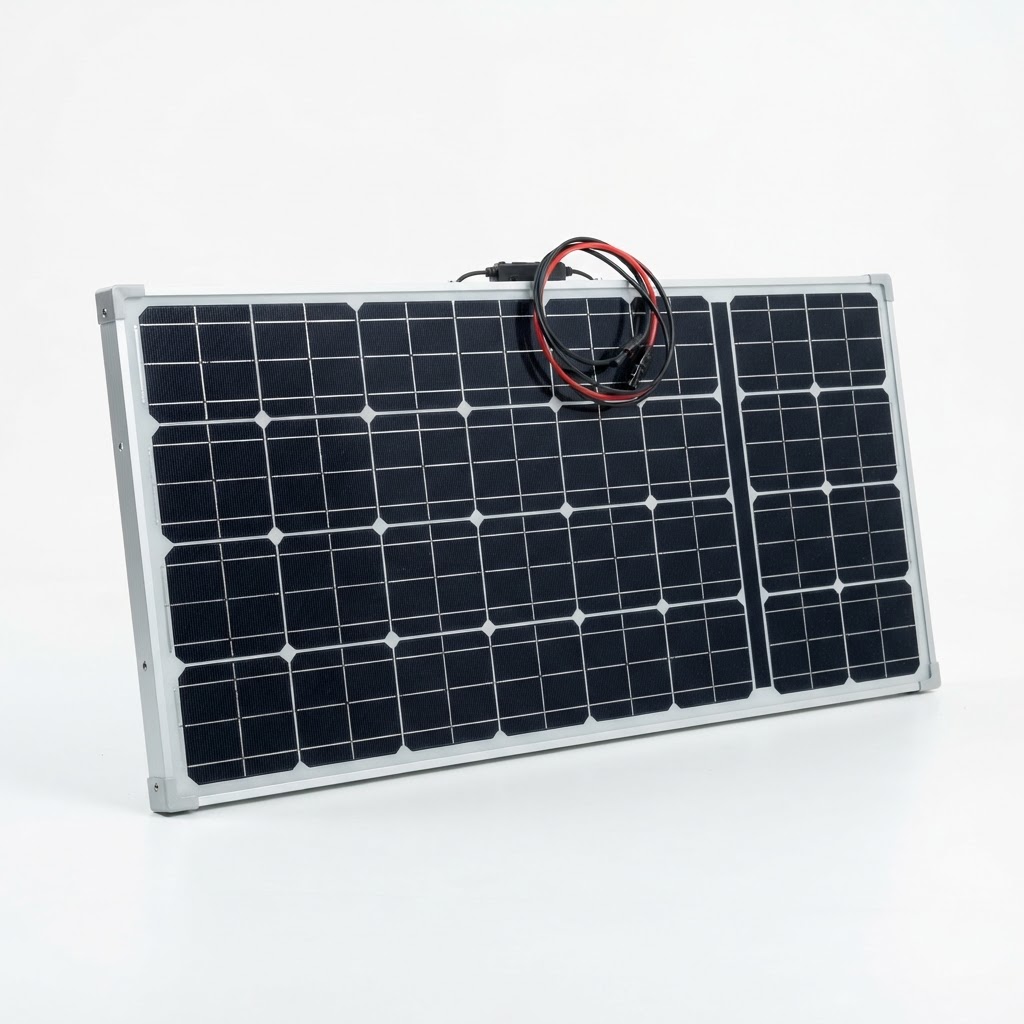
WATTS
100W
EFF.
21.2%
TYPE
Rigid
CELL
Monocrystalline
HQST 100W Monocrystalline Solar Panel
by HQST
Delivers solid monocrystalline efficiency at a budget-friendly price point
Who this is for
- Excellent price per watt
- Solid monocrystalline efficiency
- Compact and manageable size
Avoid if
You need more than basic power or want premium build quality
Start With Daily Energy Use, Not Panel Count
List the devices you expect to run, their wattage and estimated hours of use. Multiply watts by hours to estimate watt-hours per day. Refrigeration, water pumps, lighting, electronics and inverter-powered appliances can have very different duty cycles, so use realistic usage rather than assuming every load runs continuously. Your solar array then needs to work with the battery bank and charging system as a complete system.
Why Roof Space Changes the Buying Decision
Tiny-home roofs may include skylights, plumbing vents, fans and shaded areas that break up otherwise usable space. Compare each panel’s physical dimensions with a measured roof plan before buying. A higher-wattage panel is only useful if it actually fits with safe mounting clearances. When space is constrained, module efficiency and power density deserve more attention than they would on a large open roof.
Rigid, Flexible, or Portable Panels?
Rigid panels are a common choice for permanent installations because they can be mounted with airflow beneath the module. Flexible panels can solve weight or curved-surface problems, but mounting method and heat management matter. Portable panels trade permanent roof coverage for the ability to move the panel into sun, which can be useful when the tiny home itself is parked in shade.
Match Voltage and Current to the Charge Controller
Check the panel’s open-circuit voltage, operating voltage and current against the charge controller’s published input limits. Series wiring raises voltage, while parallel wiring raises current. Cold conditions can increase panel voltage, so design margin matters. Do not assume two panels can be connected to a controller simply because their total wattage looks acceptable.
Battery Capacity and Inverter Loads Matter Too
Solar panels replenish stored energy, but battery capacity determines how much energy can be carried through nighttime and poor-sun periods. Large inverter loads can empty a small battery quickly even when the solar array looks substantial on paper. Size generation, storage and inverter capacity together instead of shopping for each component independently.
A Practical Tiny-Home Buying Checklist
Measure usable roof dimensions, estimate daily watt-hours, identify your battery-system voltage, check controller voltage/current limits, compare panel dimensions and mounting requirements, and plan cable routing before ordering. For portable additions, confirm connectors and input limits for the power station or controller. As an Amazon Associate, HighestEfficiencySolarCell.com earns from qualifying purchases. Product specifications and compatibility should be verified with the manufacturer and the current product listing before purchase.
Frequently Asked Questions
Are high-efficiency solar panels better for tiny homes?
They can be especially useful when usable roof area is limited because efficiency affects how much rated power can fit into a given area. Dimensions, electrical compatibility, mounting and budget still matter.
Can a tiny home run entirely on solar?
It can be designed for off-grid solar, but feasibility depends on daily loads, seasonal sunlight, battery storage, array size and backup plans. Calculate the energy budget before choosing hardware.
Should I use portable panels with a tiny home?
Portable panels can supplement a crowded roof and can be repositioned toward sunlight, but they require setup, storage and compatible electrical inputs.
Is a 400W panel automatically better than a 200W panel?
No. The larger module must physically fit and stay within the controller’s voltage and current limits. Two smaller modules can sometimes fit a fragmented roof more effectively.
What should I verify before buying a panel?
Verify dimensions, rated electrical specifications, connectors, mounting requirements and compatibility with the rest of your system using current manufacturer documentation.
Disclosure: As an Amazon Associate, we earn from qualifying purchases. This helps support our site at no extra cost to you.