Bifacial Solar Panels for Carports and Pergolas: What Buyers Should Know
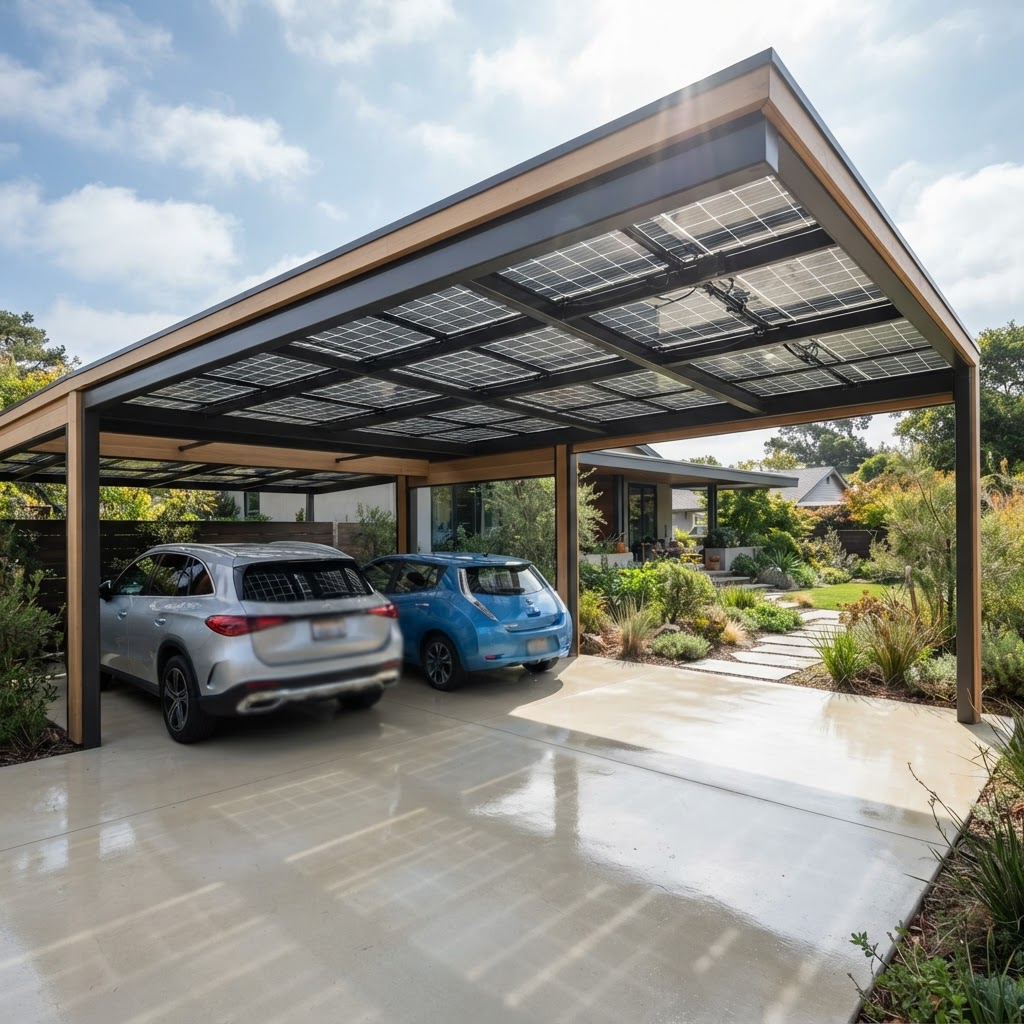
Carports and pergolas are interesting places for bifacial solar because the rear of the module can remain exposed instead of sitting close to an opaque roof. That does not guarantee extra production, but it creates geometry where rear-side collection can matter. As an Amazon Associate, HighestEfficiencySolarCell.com earns from qualifying purchases.
Quick Answer
Bifacial panels can be a logical choice for solar carports and pergolas because the rear surface may receive reflected and diffuse light. Value depends on mounting geometry, obstructions, the surface below, structural design and the module.
Recommended Products
Based on listed specifications. Prices and availability change — check Amazon for current details.
Disclosure: As an Amazon Associate, we earn from qualifying purchases. This helps support our site at no extra cost to you.
WATTS
455W
EFF.
22.5%
TYPE
Rigid
CELL
TOPCon
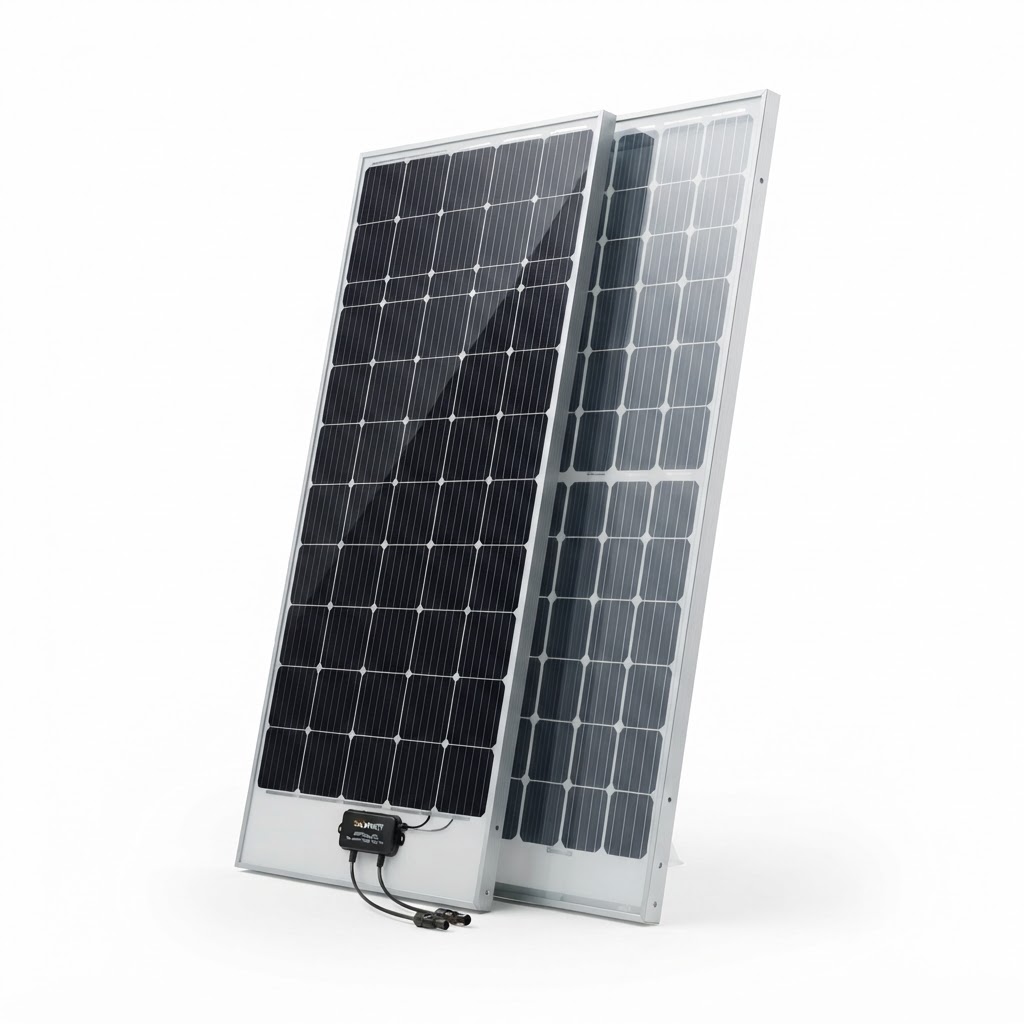
Canadian Solar 455W BiHiKu7 Bifacial Panel
by Canadian Solar
TOPCon bifacial cells with up to 30% rear-side gain in optimal albedo conditions
Who this is for
- Bifacial design captures rear-side light
- TOPCon technology for high efficiency
- Up to 30% bonus energy from albedo
Avoid if
You're flush-mounting on a dark roof or need portability
Why open structures suit bifacial modules
An open carport or pergola can leave much of the panel rear exposed. Reflected and diffuse light may reach the back. Actual rear-side contribution is site-specific and should not be treated as a guaranteed percentage.
Rear shading matters
Beams, rails, wiring and neighboring modules can shade the rear surface. Review module and racking installation guidance and consider professional modeling for larger projects.
The surface below is one variable
Surface reflectivity affects light reflected upward, but cleanliness, season, sun angle, height and structure geometry also matter.
Treat the carport as a structure first
Solar modules add weight and wind-loading considerations. Permitting, engineering, drainage, electrical code and attachment details can be more important than module technology.
Compare front-side specifications
Compare rated wattage, dimensions, voltage, current, temperature characteristics and warranty documentation. Bifacial capability is one attribute, not the whole buying decision.
Buyer checklist
Confirm structural suitability, rear clearance, obstructions, the surface beneath the array, module dimensions and electrical design. Verify the current datasheet before purchase.
Frequently Asked Questions
Are bifacial panels good for solar carports?
They can be because open structures may expose the rear surface, but actual benefit depends on site conditions.
Does concrete help bifacial panels?
The surface below influences reflected light, but geometry, shading and cleanliness also matter.
Can bifacial panels be used as a pergola roof?
Some systems are designed that way, but structural, weatherproofing, electrical and code requirements must be addressed.
Do bifacial panels need a special inverter?
Their voltage and current specifications still need to match the inverter or controller design.
Is bifacial gain guaranteed?
No. Rear-side contribution varies with installation and environment.
Disclosure: As an Amazon Associate, we earn from qualifying purchases. This helps support our site at no extra cost to you.