Flexible Solar Panels for Pop-Up Campers: A Lightweight Solar Buying Guide
Pop-up campers reward lightweight gear, which makes flexible solar panels appealing. But low weight is only one part of the decision. Roof construction, folding hardware, cable routing, heat, battery capacity and charge-controller limits all matter. As an Amazon Associate, HighestEfficiencySolarCell.com earns from qualifying purchases.
Quick Answer
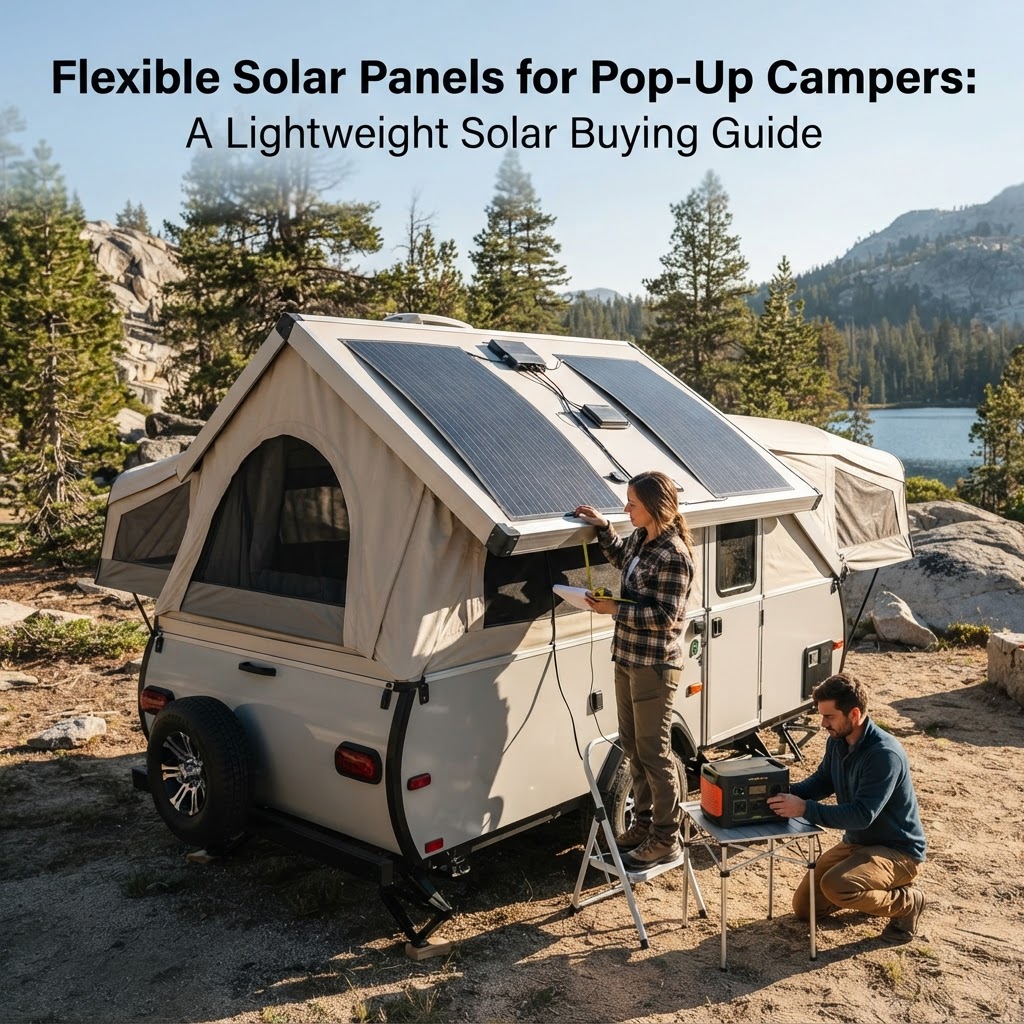
Flexible solar panels can make sense on a pop-up camper when low weight and a low-profile installation matter. Measure usable roof space, protect folding hardware and seals, and match panel voltage and current to the charge controller before buying.
Recommended Products
Based on listed specifications. Prices and availability change — check Amazon for current details.
Disclosure: As an Amazon Associate, we earn from qualifying purchases. This helps support our site at no extra cost to you.
WATTS
400W
EFF.
22.8%
TYPE
Rigid
CELL
Monocrystalline
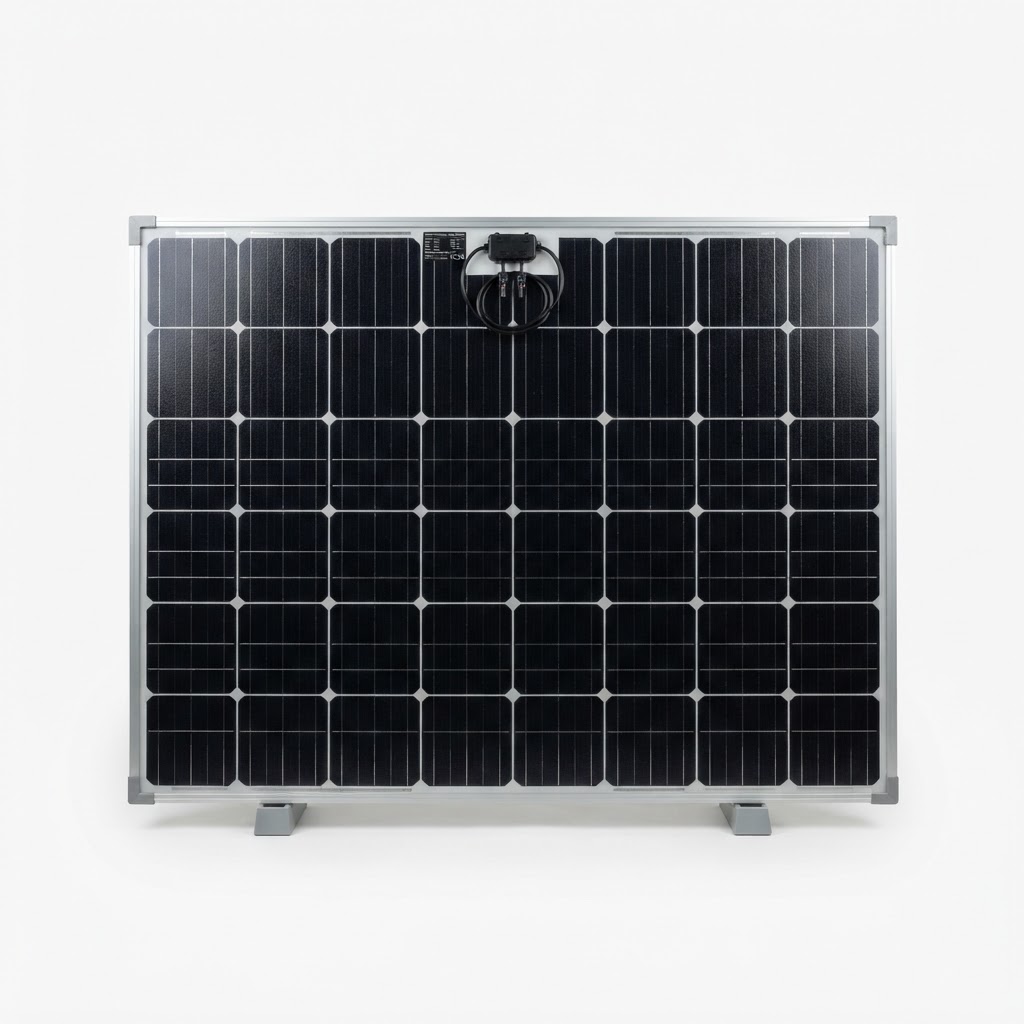
Renogy 400W Monocrystalline Solar Panel
by Renogy
Uses advanced PERC monocrystalline cells for top-tier consumer efficiency
Who this is for
- High 22.8% efficiency rating
- Excellent build quality and durability
- 25-year output warranty
Avoid if
You need a portable or lightweight solution
Why flexible panels appeal to pop-up camper owners
Flexible modules can reduce roof weight and sit lower than many framed rigid panels. Check the camper manufacturer's roof-load and modification guidance because a lightweight panel does not make every roof suitable for permanent solar.
Measure the camper before buying
Map vents, seams, latches, roof racks and moving surfaces. Plan cable routing so wiring cannot be pinched by hinges, canvas or lift hardware. Panel dimensions matter as much as rated wattage.
Mounting and heat management
Follow the panel and camper manufacturers' mounting instructions. Installation geometry affects heat dissipation. Do not cover roof drains, service points or required clearances.
Size solar from daily energy use
Estimate watt-hours for lights, fans, phones, pumps, refrigeration and other loads. Solar must replenish that energy through the battery and controller. Production varies with shade, season, orientation and weather.
Check controller limits
Compare panel open-circuit voltage, operating voltage and current with the controller's published limits. Series wiring raises voltage and parallel wiring raises current.
Consider a portable supplement
A roof panel offers charging without daily setup, while a portable panel can be moved into sunlight when the camper is shaded. Verify dimensions, electrical specifications, connectors and mounting requirements before ordering.
Frequently Asked Questions
Are flexible solar panels good for pop-up campers?
They can be when roof weight and profile are important, provided mounting and electrical compatibility are suitable.
Can I glue a flexible panel directly to a camper roof?
Use only mounting methods approved for the specific panel and roof.
How many watts does a pop-up camper need?
Start with daily watt-hour use and battery capacity rather than a generic panel number.
Can I use a portable panel instead?
Yes. Portable panels avoid permanent roof modifications but require setup and storage.
What should I verify before buying?
Verify dimensions, voltage, current, connectors, controller limits, roof guidance and mounting method.
Disclosure: As an Amazon Associate, we earn from qualifying purchases. This helps support our site at no extra cost to you.