Flexible Solar Panels for Boats: What to Check Before Buying for a Curved Deck or Cabin Roof
Boat solar has a different job than a backyard array. Space is irregular, surfaces may curve, weight matters, salt and spray raise installation questions, and shade from masts or hardware can move throughout the day. Flexible modules can solve some of those geometry problems, but the right purchase starts with the electrical system and mounting surface, not with wattage alone. As an Amazon Associate, HighestEfficiencySolarCell.com earns from qualifying purchases.
Quick Answer
Flexible solar panels can be a practical choice for boats when low weight and a curved or space-constrained mounting surface matter. Before buying, confirm the panel's voltage and current fit your charge controller, plan a mounting method that manages heat and moisture, and make sure the physical dimensions actually fit the usable deck or cabin-roof area.
Recommended Products
Based on listed specifications. Prices and availability change — check Amazon for current details.
Disclosure: As an Amazon Associate, we earn from qualifying purchases. This helps support our site at no extra cost to you.
Prices and availability change often. Use the Amazon button to check the current price and product details for each panel.
| # | Product | Best For | Cell Type | Watts | Efficiency | Price |
|---|---|---|---|---|---|---|
| 1 | Best Overall High-Efficiency | MonocrystallineRigid | 400W | 22.8% | Check Current Price | |
| 2 | Best Portable Solar Panel | MonocrystallinePortable | 100W | 23.7% | Check Current Price | |
| 3 | Best Solar Panel for RV | MonocrystallineRigid | 200W | 21.6% | Check Current Price | |
| 4 | Best Solar Panel for Camping | MonocrystallineFoldable | 200W | 23.4% | Check Current Price | |
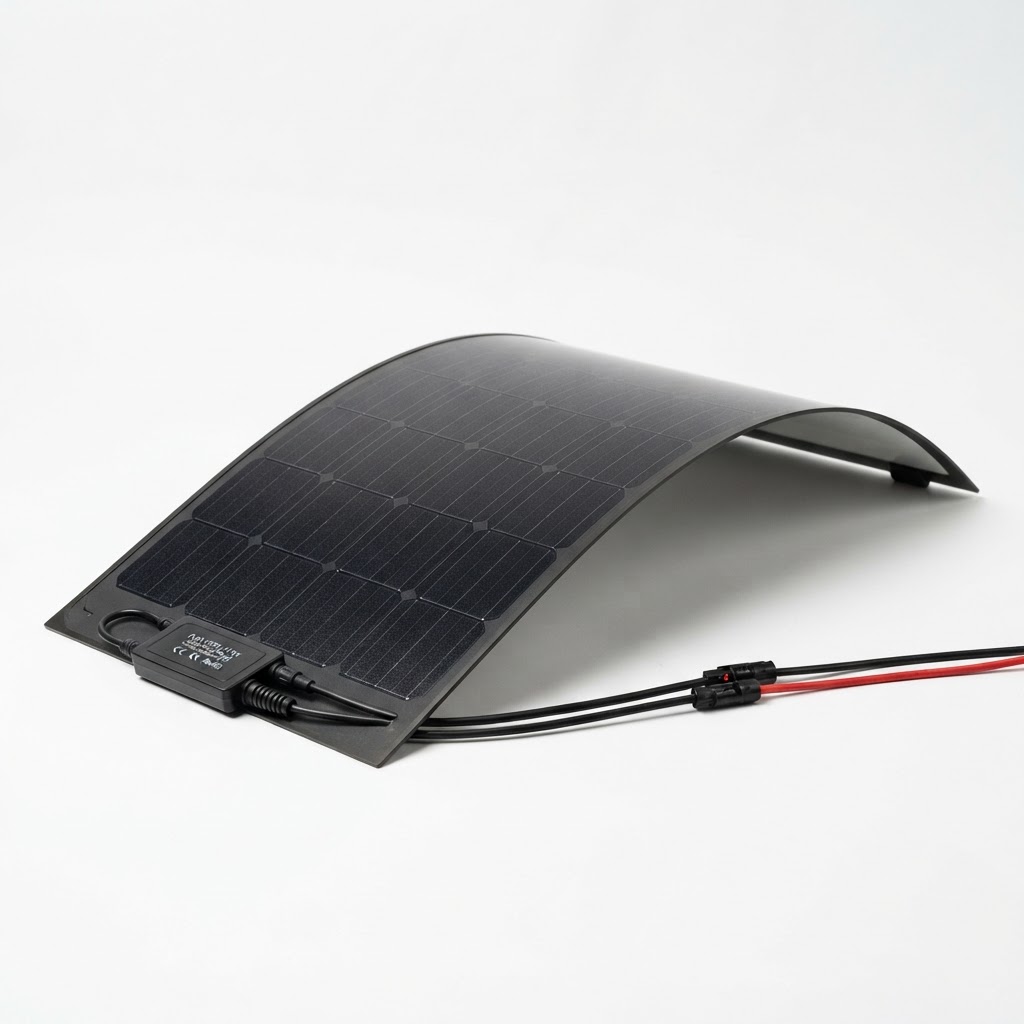
| 5 | Best Flexible Solar Panel | MonocrystallineFlexible | 175W | 22.4% | Check Current Price | |
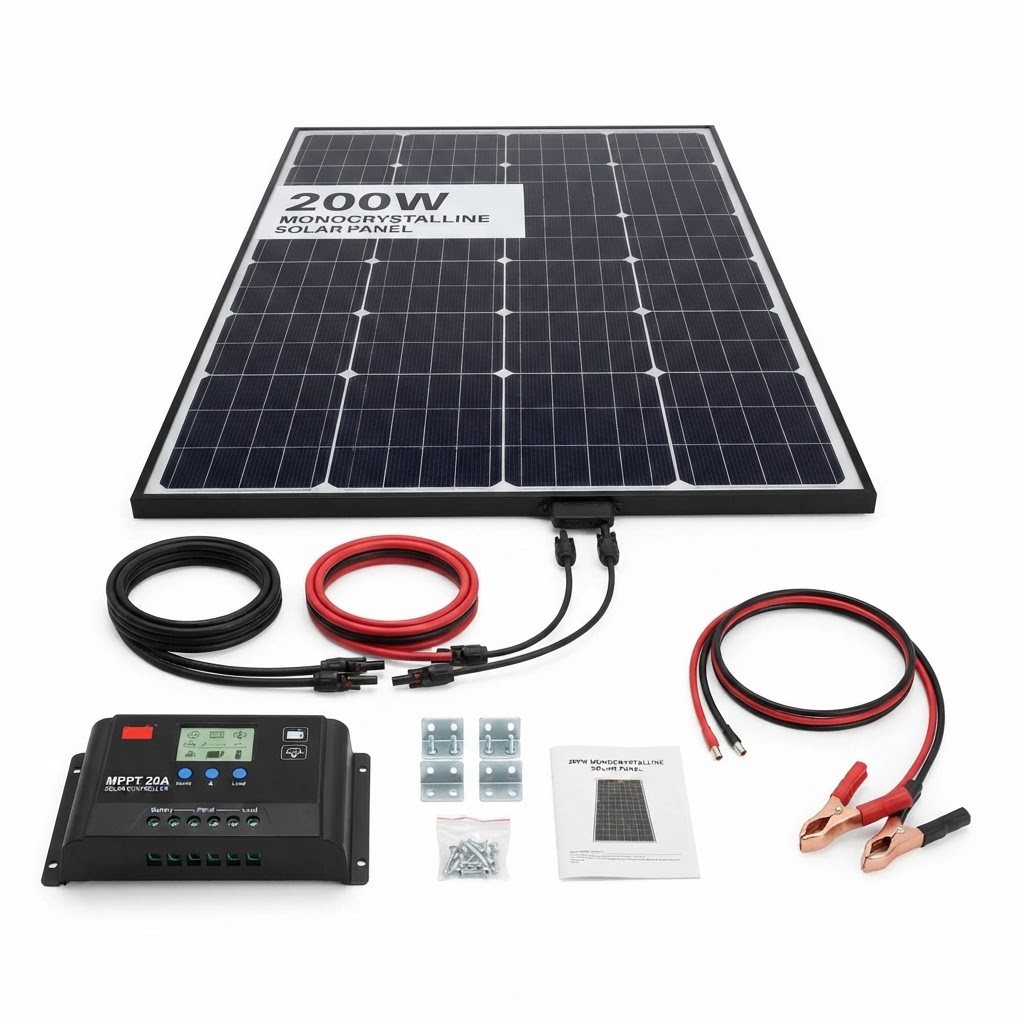
| 6 | Best Solar Panel Kit | MonocrystallineKit | 200W | 21.4% | Check Current Price |
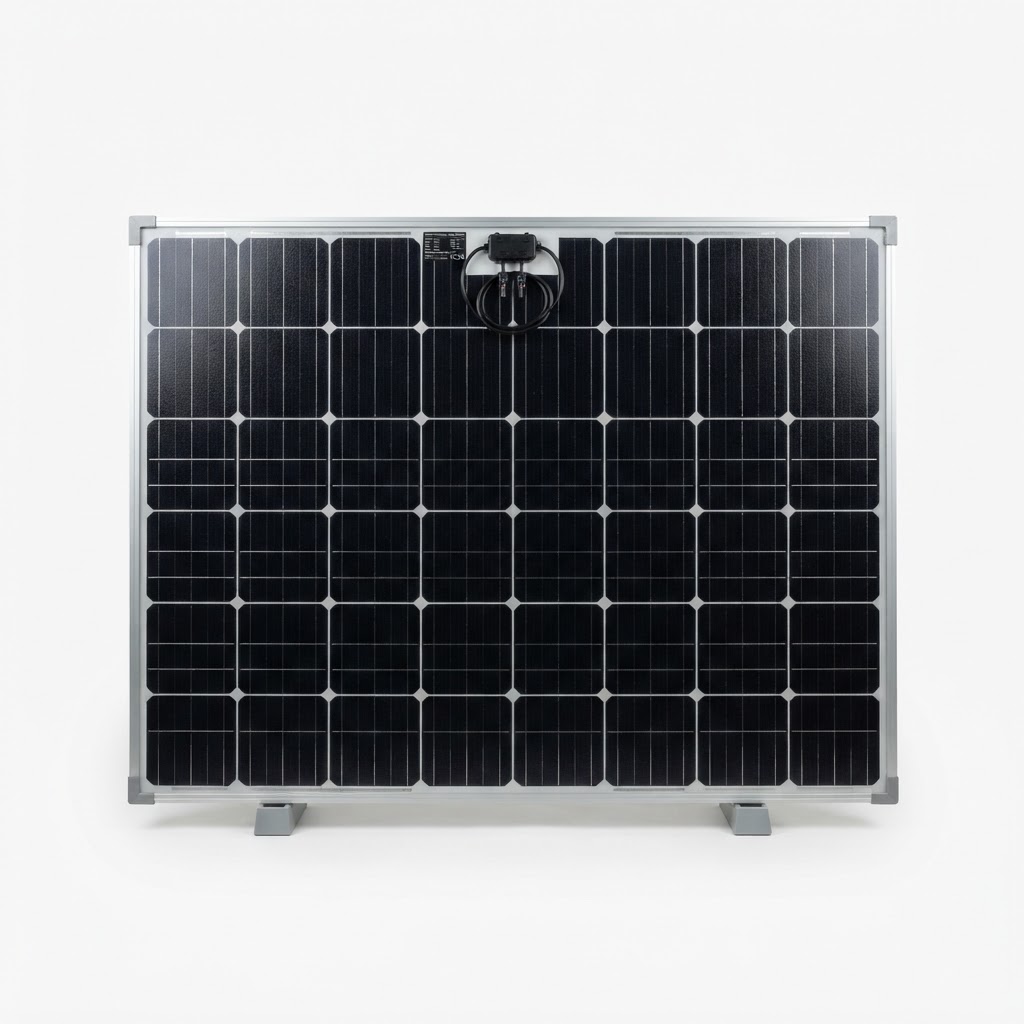
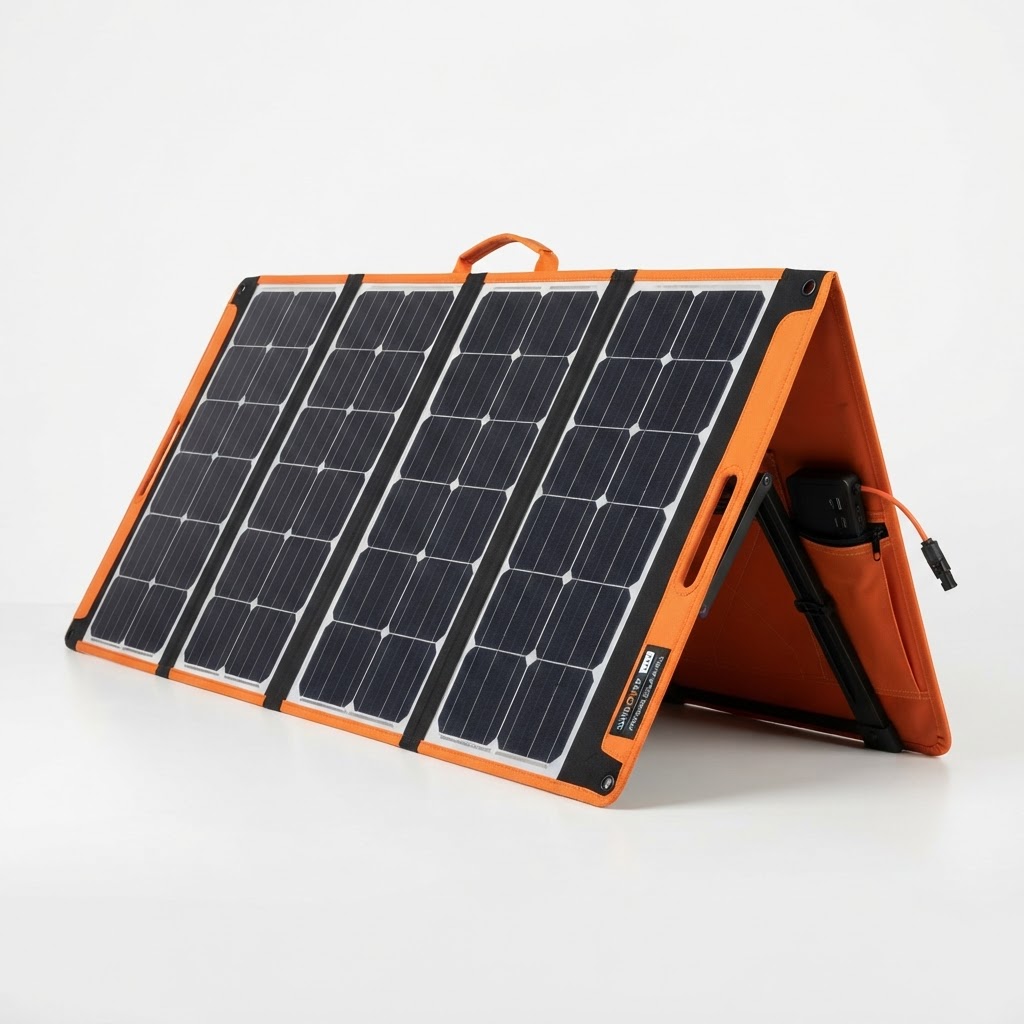
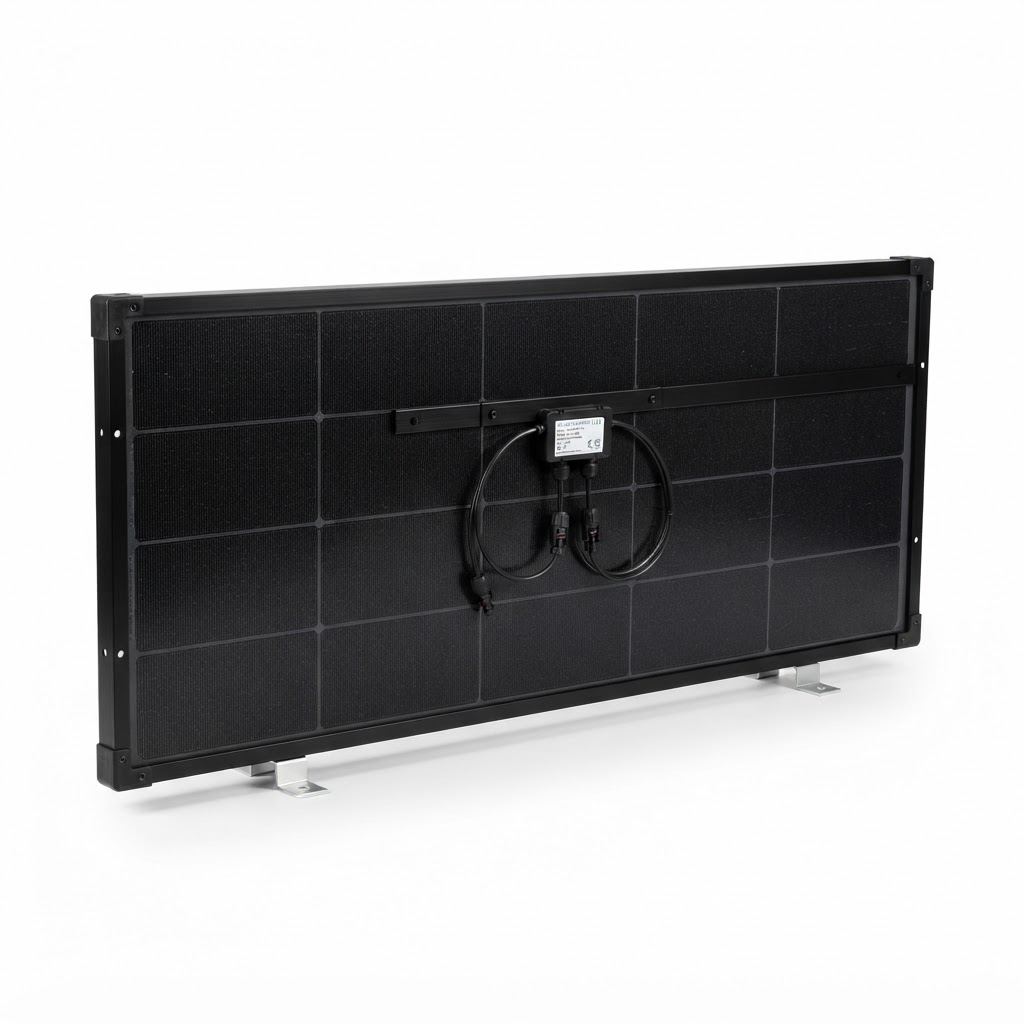
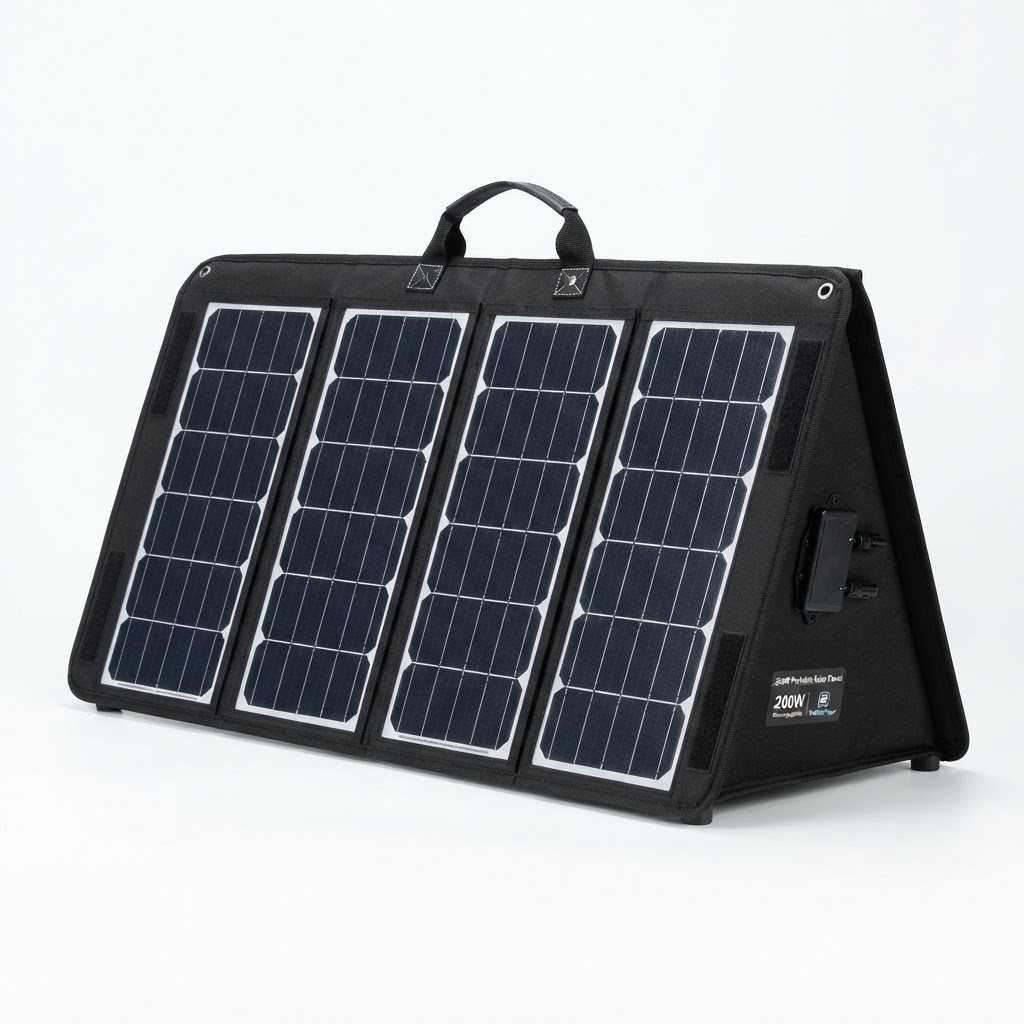
Watts
400W
Cell
Monocrystalline
Eff.
22.8%
Watts
100W
Cell
Monocrystalline
Eff.
23.7%
Watts
200W
Cell
Monocrystalline
Eff.
21.6%
Watts
200W
Cell
Monocrystalline
Eff.
23.4%
Watts
175W
Cell
Monocrystalline
Eff.
22.4%
Watts
200W
Cell
Monocrystalline
Eff.
21.4%
Why flexible panels appeal to boat owners
A flexible panel can follow a mildly curved surface and usually adds less mounting bulk than a framed rigid module. That can be useful on cabin roofs and other areas where a conventional frame is awkward. Flexibility does not make every surface suitable, however. Measure the usable footprint around hatches, rails, antennas, vents and walking areas before choosing a panel.
Start with the battery and charge controller
Treat the panel as one part of a charging system. Identify battery-bank voltage and chemistry, then check the controller's supported photovoltaic input voltage and current. Compare those limits with the panel specifications and with the combined electrical values if more than one panel will be connected. Do not assume two panels can be wired in series or parallel simply because their wattage looks appropriate.
Heat and mounting deserve special attention
Solar modules produce heat in operation. A panel mounted close to a surface may have less airflow behind it than a raised rigid module. Follow the panel manufacturer's installation guidance and consider how the chosen mounting method affects ventilation, water drainage, service access and the underlying surface. Avoid making a permanent adhesive decision until you understand how the panel can later be inspected or replaced.
Shade can change the value of extra wattage
Boats often have moving shadows from masts, booms, radar equipment and rigging. A higher nameplate wattage does not guarantee more useful daily energy if much of the module spends the day shaded. Map likely shade across the mounting area and consider whether multiple smaller panels or a portable supplemental panel gives you more placement flexibility.
Flexible versus rigid versus portable
Choose flexible when weight and surface shape are the primary constraints. Choose rigid when you have a suitable structure and want a conventional framed installation with airflow beneath the module. Portable panels can make sense when you want to reposition the collector toward the sun at anchor and have secure storage when underway. Some boats benefit from combining a fixed charging source with a portable panel.
Product example to compare
The Renogy 175W Flexible Solar Panel is an existing flexible-panel option in our product database with a direct Amazon product page. Use its listing and manufacturer documentation to verify current dimensions, electrical specifications, installation requirements and suitability for your particular marine setup before purchasing. As an Amazon Associate, HighestEfficiencySolarCell.com earns from qualifying purchases.
Frequently Asked Questions
Can flexible solar panels be mounted on a curved boat roof?
Some flexible panels are designed to tolerate limited curvature, but the permitted bend radius and mounting method are product-specific. Follow the manufacturer's limits rather than forcing a panel to match a surface.
Do I need a charge controller for boat solar?
For a conventional solar-to-battery installation, a compatible solar charge controller is normally part of the system. Match its input limits and charging profile to the panel array and battery system.
Is a higher-wattage panel always better on a boat?
No. Available area, shade, controller limits, panel voltage, weight and mounting conditions can matter more than nameplate wattage alone.
Should I glue a flexible panel directly to the roof?
Use only mounting methods permitted by the panel and surface manufacturers. Consider heat, drainage, serviceability and removal before choosing an adhesive installation.
Can I mix flexible and rigid solar panels?
Potentially, but electrical compatibility matters. Different panel voltages and currents can complicate array design, so verify the wiring configuration and controller limits first.
Disclosure: As an Amazon Associate, we earn from qualifying purchases. This helps support our site at no extra cost to you.